SETI finds no alien signals from interstellar object 3I/ATLAS
SETI scanned 3I/ATLAS for alien technology and found none, narrowing millions of signals to satellite noise and human interference.
A rare visitor from beyond the solar system has been treated as a comet, not a machine. The SETI Institute’s radio search found no evidence that interstellar object 3I/ATLAS carried artificial technology, a result that undercut the most sensational claims while giving astronomers a cleaner read on what the object actually is.
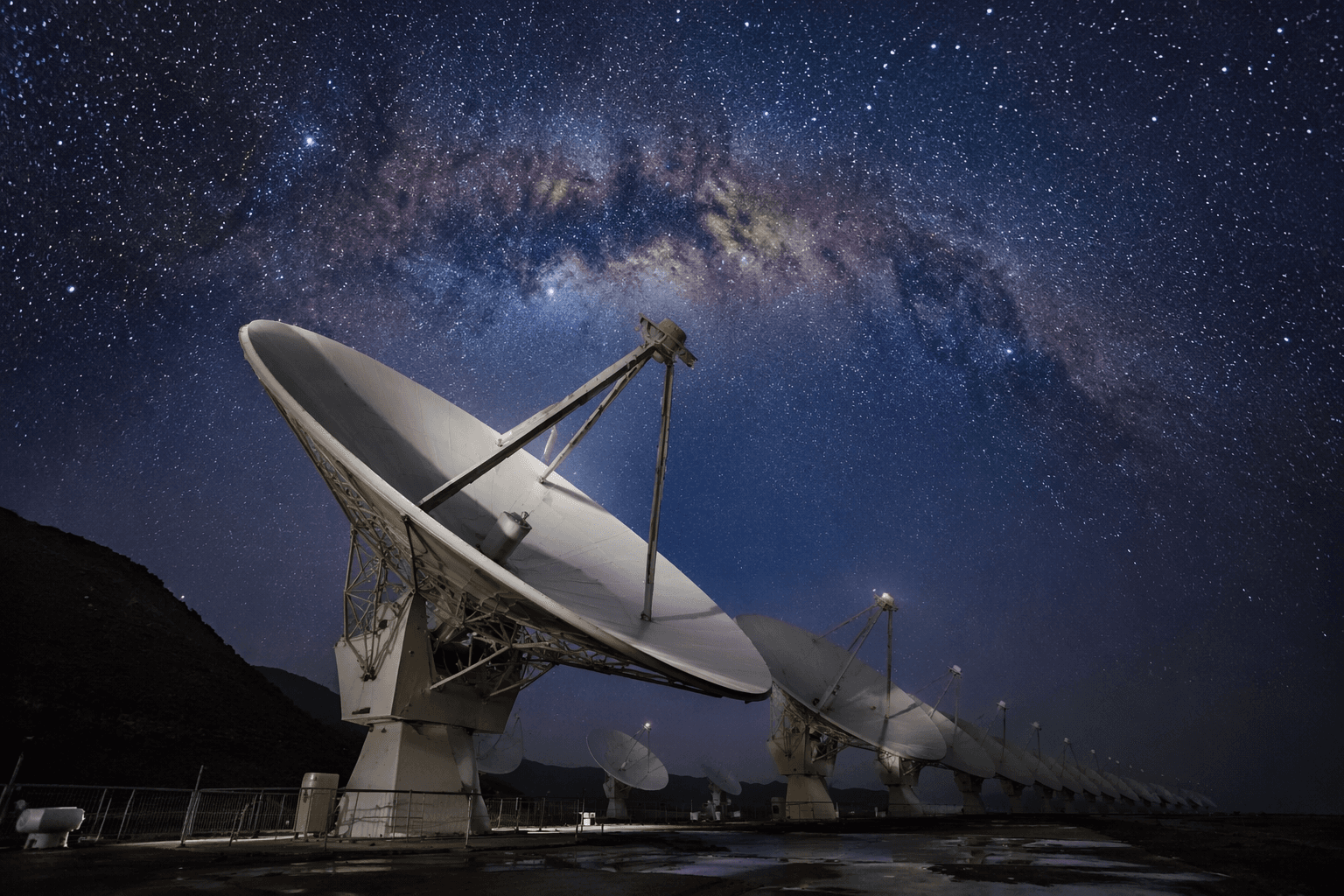
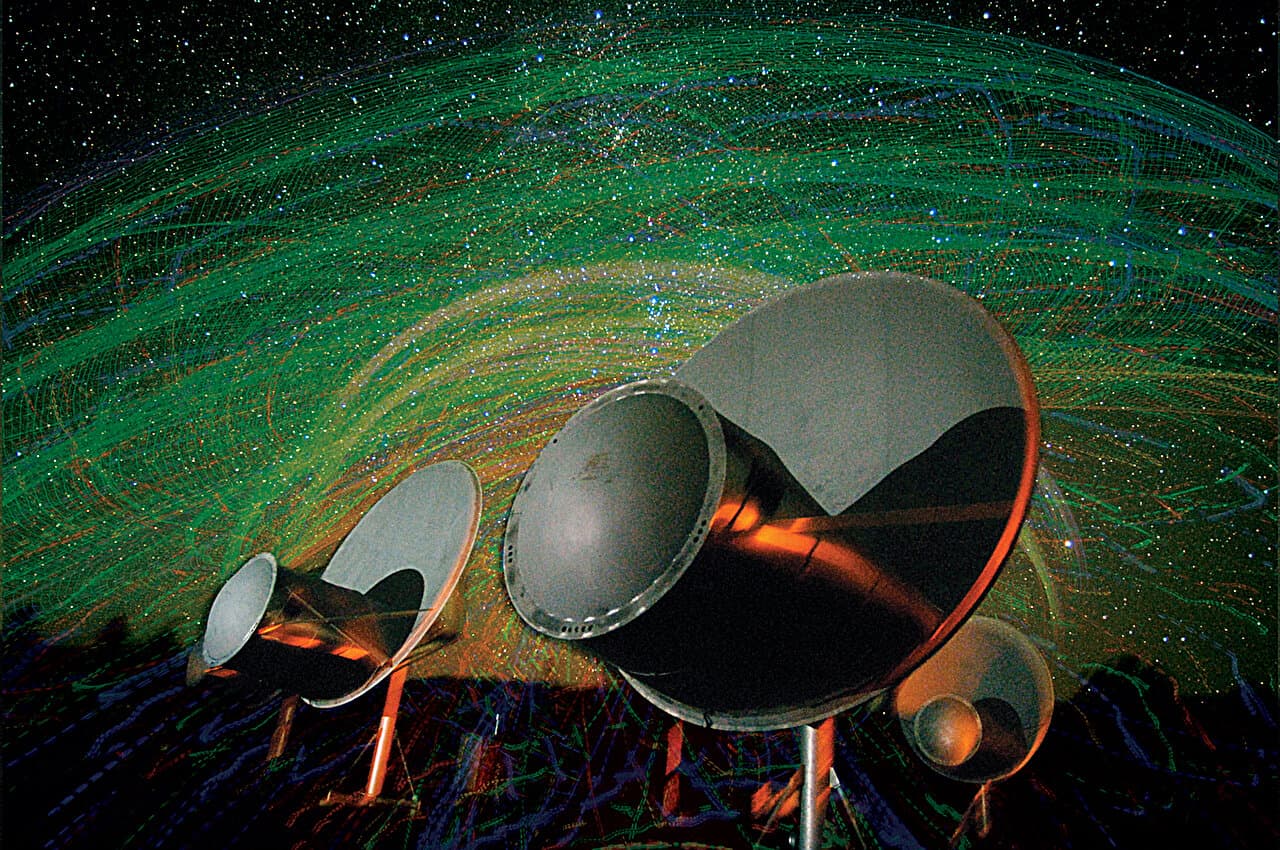
Researchers used the Allen Telescope Array at Hat Creek Radio Observatory in Northern California to listen for technosignatures, the kind of radio signals that would suggest extraterrestrial engineering. Over more than seven hours, the array scanned frequencies from 1 to 9 GHz, analyzed about 74 million initial detections, and reduced the field to roughly 200 candidates. Every one of those candidates was traced to human-made interference or Earth-orbiting satellites. The search also placed a practical upper limit on possible transmitters near the object, ruling out radio sources stronger than about 10 to 110 watts on or near 3I/ATLAS.
That matters because 3I/ATLAS has drawn unusual attention since ATLAS first reported it from Rio Hurtado, Chile, on July 1, 2025, and the Minor Planet Center formally designated it 3I/ATLAS = C/2025 N1 (ATLAS) a day later. NASA said the object came from the direction of Sagittarius, traveled on a hyperbolic path, and posed no threat to Earth, coming no closer than about 1.6 astronomical units, or roughly 150 million miles. It was expected to pass its closest point to the Sun around October 30, 2025, at about 1.4 au, just inside Mars’ orbit.
The scientific case for a comet has remained strong. Hubble images from July 21, 2025 showed a teardrop-shaped cocoon of dust around a solid, icy nucleus, with ESA and NASA reporting that the object was 365 million kilometers from Earth at the time. NASA has described 3I/ATLAS as only the third confirmed interstellar object ever identified, after 1I/'Oumuamua and 2I/Borisov, and said its icy composition, coma of gas and dust, and unusual orbit fit a comet that formed elsewhere in the galaxy and was ejected long ago.
Breakthrough Listen separately reported no technosignatures in its own searches, including work with the Allen Telescope Array and MeerKAT, which did detect hydroxyl, a chemical signature expected when sunlight breaks down water ice in a comet. The result leaves the extraordinary explanation with no support and strengthens the ordinary one: 3I/ATLAS is an interstellar comet, not an alien probe.
This article was produced by Prism’s automated news system from verified source data, official records, and press releases, then run through automated quality and moderation checks before publishing. The system is built and supervised by the people who set the standards it runs under. Read our full AI policy.
Know something we missed? Have a correction or additional information?
Submit a Tip