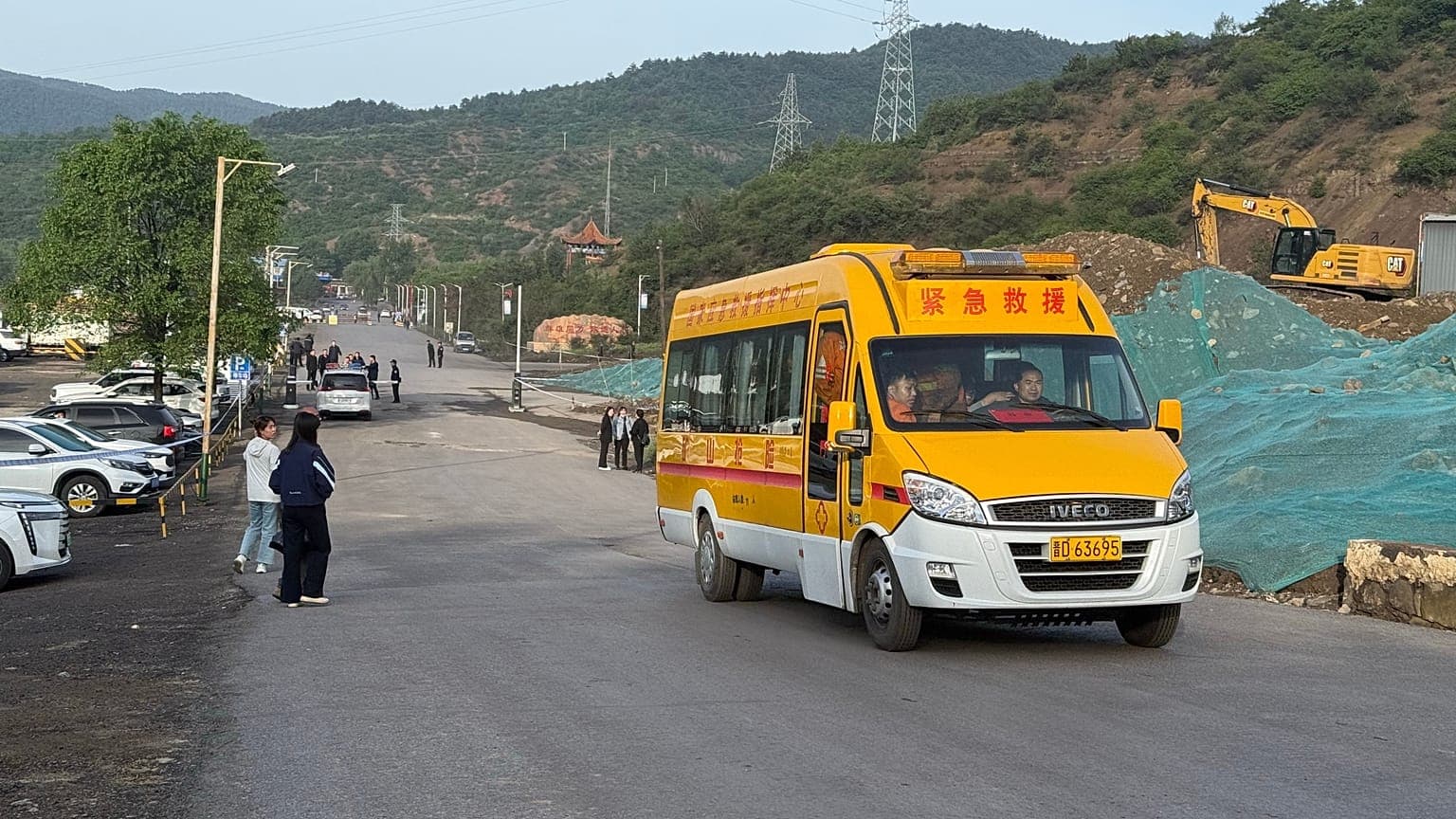
At least 82 dead in Shanxi coal mine explosion, nine missing
At least 82 miners were killed and nine remained missing after a Shanxi blast, exposing how China’s coal dependence still comes with deadly costs.
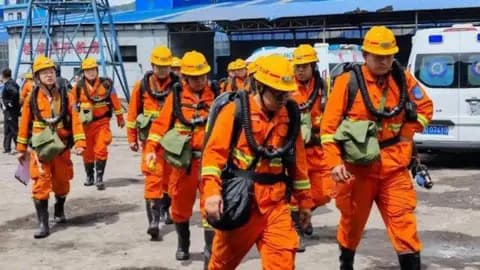
At least 82 people were dead and nine others were missing after a coal mine explosion in Shanxi province, a toll that turned a single blast into one of the country’s starkest reminders of the human cost of coal. The accident at the Liushenyu Coal Mine left 247 workers underground at the time, and rescue crews kept searching through the mine’s tunnels as the scale of the disaster widened.
The explosion struck at 7:29 p.m. local time on Friday in Qinyuan county, Changzhi city, in northern China’s Shanxi province. Early reports said eight people had been confirmed dead and 38 remained trapped underground, but later state media accounts pushed the death toll far higher. Xinhua said carbon monoxide levels had exceeded limits before the accident, underscoring that dangerous conditions were already building inside the mine before the blast.
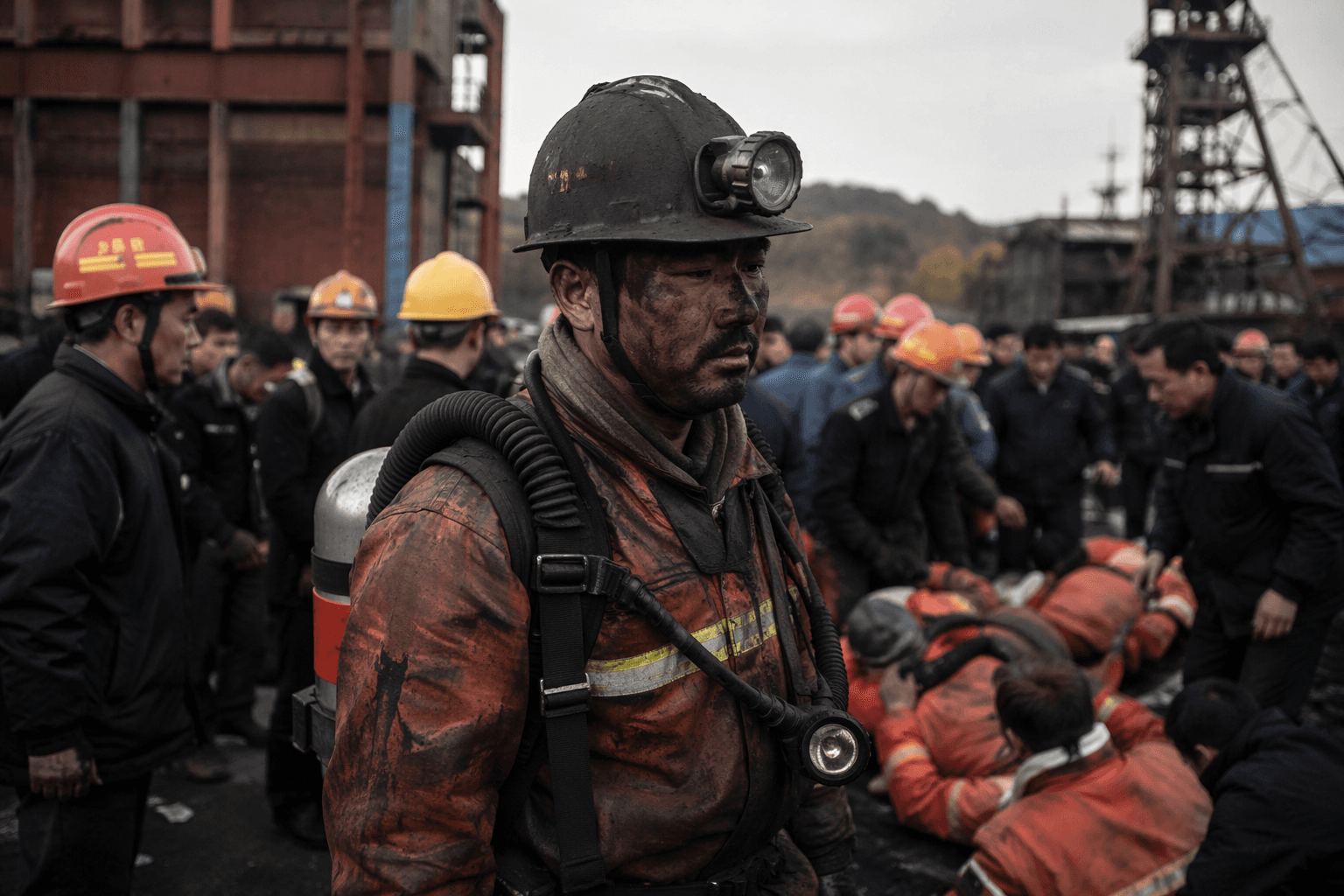
The response quickly reached the top of China’s political system. Xi Jinping issued instructions calling for an all-out rescue effort, treatment of the injured, a thorough investigation into the cause and accountability in accordance with the law. Xinhua said the president, the CPC Central Committee and the Central Military Commission had all been mobilized in urging rescue teams to keep searching for the missing and to prevent further loss of life.
The disaster carries significance beyond one mine in one province. Shanxi is one of China’s main coal-producing regions and has long carried a poor mining safety record, making the latest explosion especially troubling for a country that still depends heavily on coal even as it tries to reduce that dependence. The accident highlights the gap between repeated promises of reform and the realities of production pressure, uneven local oversight and political incentives that can reward output more than safety.
That tension has become central to China’s energy future. Coal remains a key source of power for the country’s factories, homes and grid stability, but each major disaster renews questions about whether the system governing mine inspections, emergency preparedness and workplace protections is strong enough to match the risks. In Shanxi, where coal underpins the regional economy, the death toll from Liushenyu now stands as a reminder that the price of that dependence is still measured in lives.
Know something we missed? Have a correction or additional information?
Submit a Tip