Senegal’s president dismisses prime minister, dissolves government amid debt crisis
Bassirou Diomaye Faye ousted Ousmane Sonko and dissolved Senegal's government as IMF talks stalled and debt climbed to 132% of output.
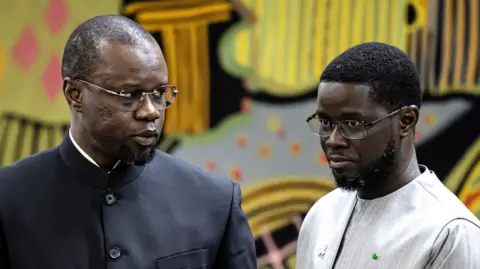
Bassirou Diomaye Faye removed Prime Minister Ousmane Sonko and dissolved Senegal’s government on Friday, handing all ministers out of office while asking them to stay on for day-to-day affairs until a new cabinet is formed. The move exposed a widening break between two men who rose to power together in PASTEF and now find themselves at the center of Senegal’s most serious political and economic test since the 2024 transition.
Sonko said after the dismissal that he would “sleep with a light heart” in Keur Gorgui, a remark that suggested relief as much as resignation. But the rupture carries consequences far beyond the rivalry between the president and his former ally. Sonko had backed Faye in the March 2024 election after his own candidacy was blocked by a defamation conviction upheld by Senegal’s Supreme Court and rejected by the Constitutional Court. Faye won that vote with 54% of the ballot after a campaign shaped by unrest over former president Macky Sall’s attempt to delay the election.
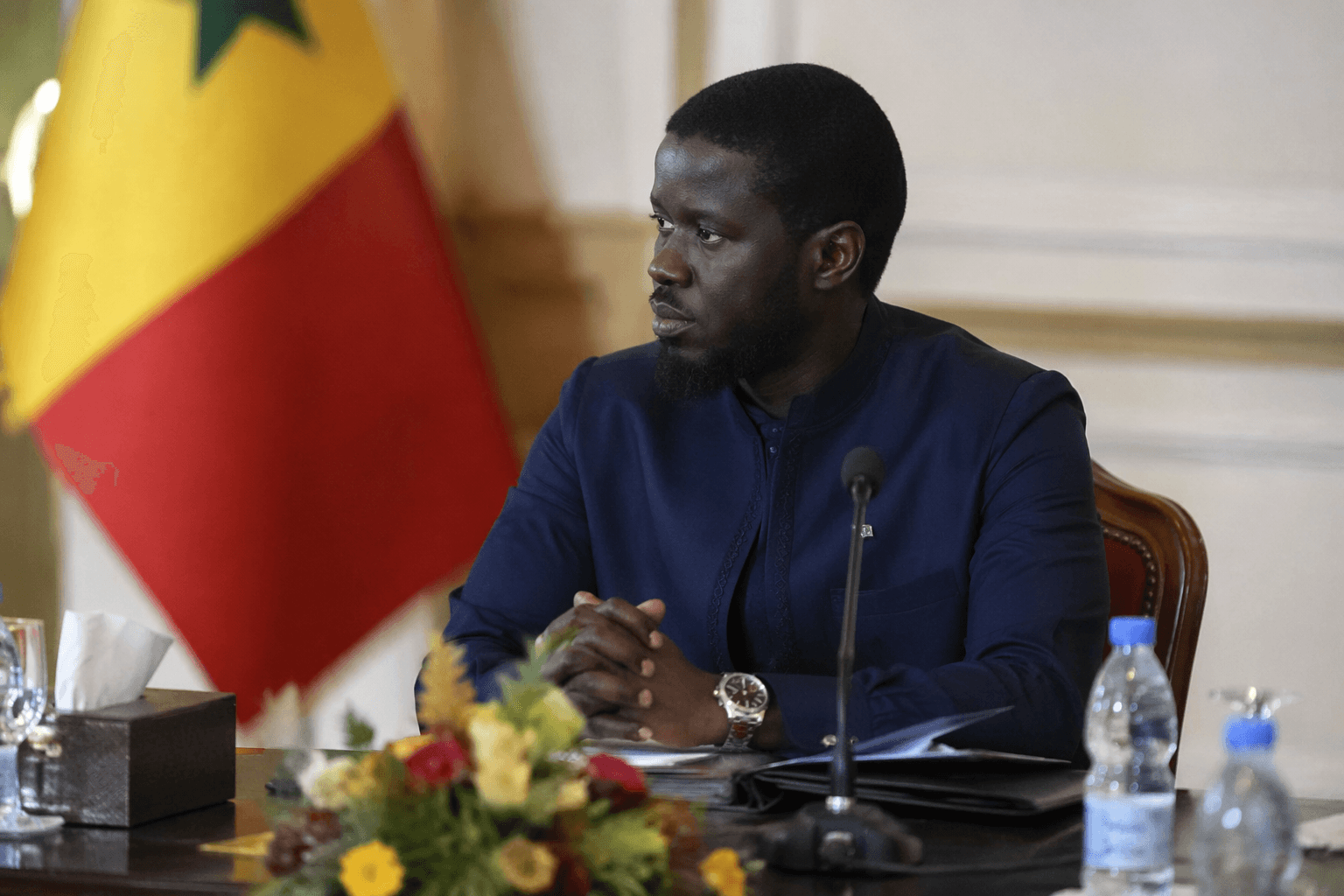
The split now lands on top of a fragile economic picture. The International Monetary Fund froze its $1.8 billion lending program after discovering misreported debt, and IMF estimates put Senegal’s end-2024 debt at 132% of economic output. That level of indebtedness, combined with political uncertainty at the top of government, is likely to rattle investor confidence at a moment when Senegal is trying to restore credibility with lenders and markets.
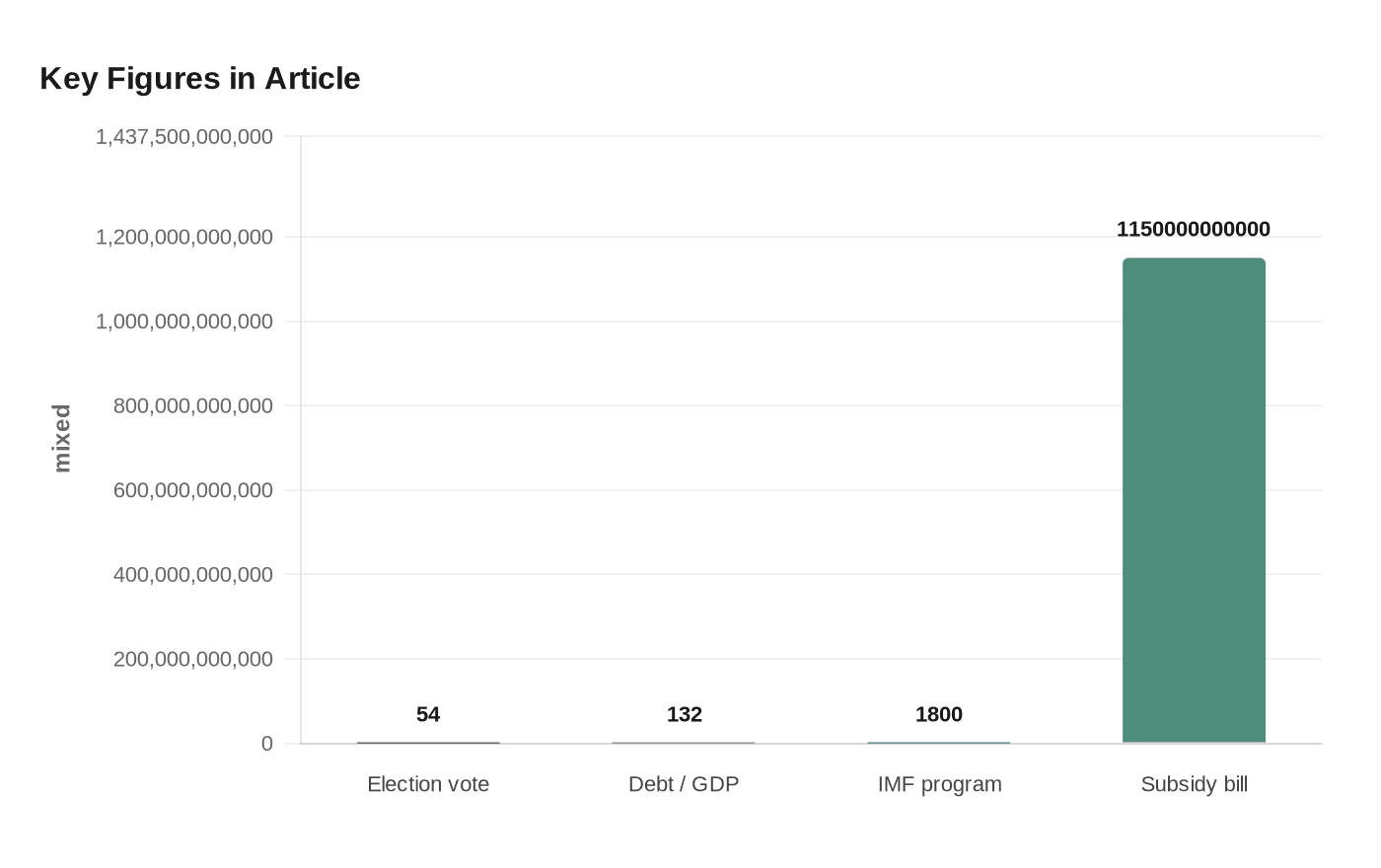
Finance Minister Cheikh Diba told parliament on Friday that Senegal expected to resume IMF talks in the week of June 8 and hoped to reach agreement on key points by June 30. He also warned that the fuel subsidy bill could exceed the 2026 budget by as much as 1.15 trillion CFA francs, or about $2 billion, if oil prices rise to $115 a barrel. Those figures underline how quickly fiscal pressure could deepen if the government is forced to absorb higher energy costs while negotiating a new financing path.
The IMF has said Senegal’s economy remained resilient in 2025, but that significant efforts were still needed to address elevated debt pressures, even as discussions continued on a possible new IMF-supported program. Sonko has opposed debt restructuring, which he said the fund was pushing, while Faye has been less vocal. The political shake-up also revives memories of the 2024 violence, when clashes between security forces and Sonko supporters left at least 16 people dead and several others injured. For Senegal, the question is no longer only whether the Faye-Sonko rupture is personal. It is whether promised change can survive the weight of debt, subsidy costs and a public impatient for stability.
Know something we missed? Have a correction or additional information?
Submit a Tip