China mine blast kills at least 90 in deadliest disaster in years
A gas blast at the Liushenyu coal mine killed at least 90 workers, with nine still missing, exposing stubborn safety risks in China’s coal heartland.
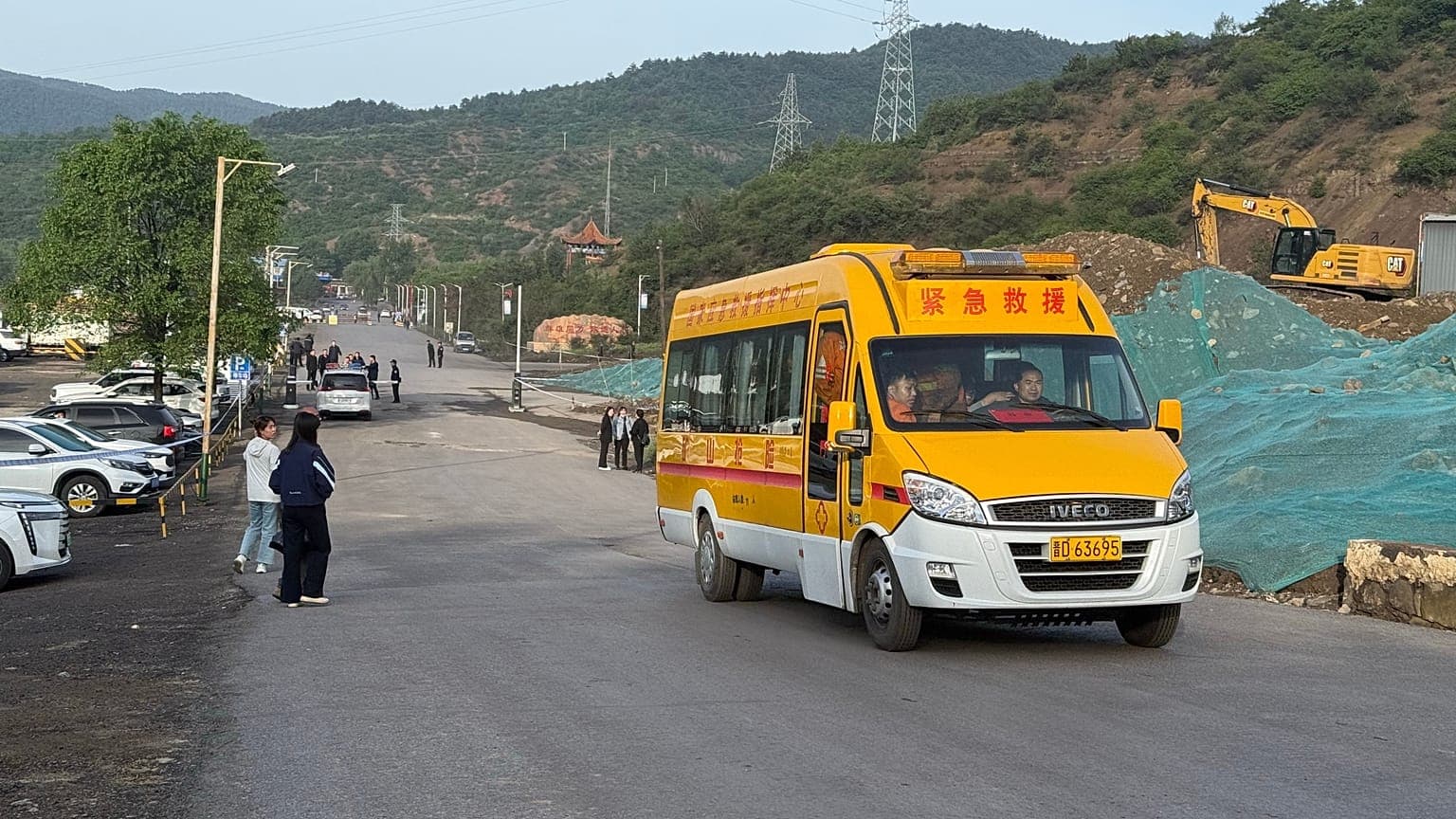
A gas explosion deep inside the Liushenyu coal mine in Shanxi province killed at least 90 workers and left nine still missing, turning a late-night industrial disaster into China’s deadliest mining accident in years. The blast ripped through the mine in Qinyuan county, Changzhi city, on Friday night, May 22, with 247 workers on duty underground when the explosion hit.
The toll climbed rapidly from early reports of eight dead and 38 trapped underground to at least 90 fatalities by Saturday afternoon, May 23, as rescuers searched through the mine. The rising death count underscored how quickly a single blast can overwhelm emergency response in China’s coal sector, where underground crews often work far below the surface in tightly confined conditions. Reports said carbon monoxide levels had exceeded safe limits before or around the time of the explosion, raising fresh questions about warning systems and whether danger signs were missed.
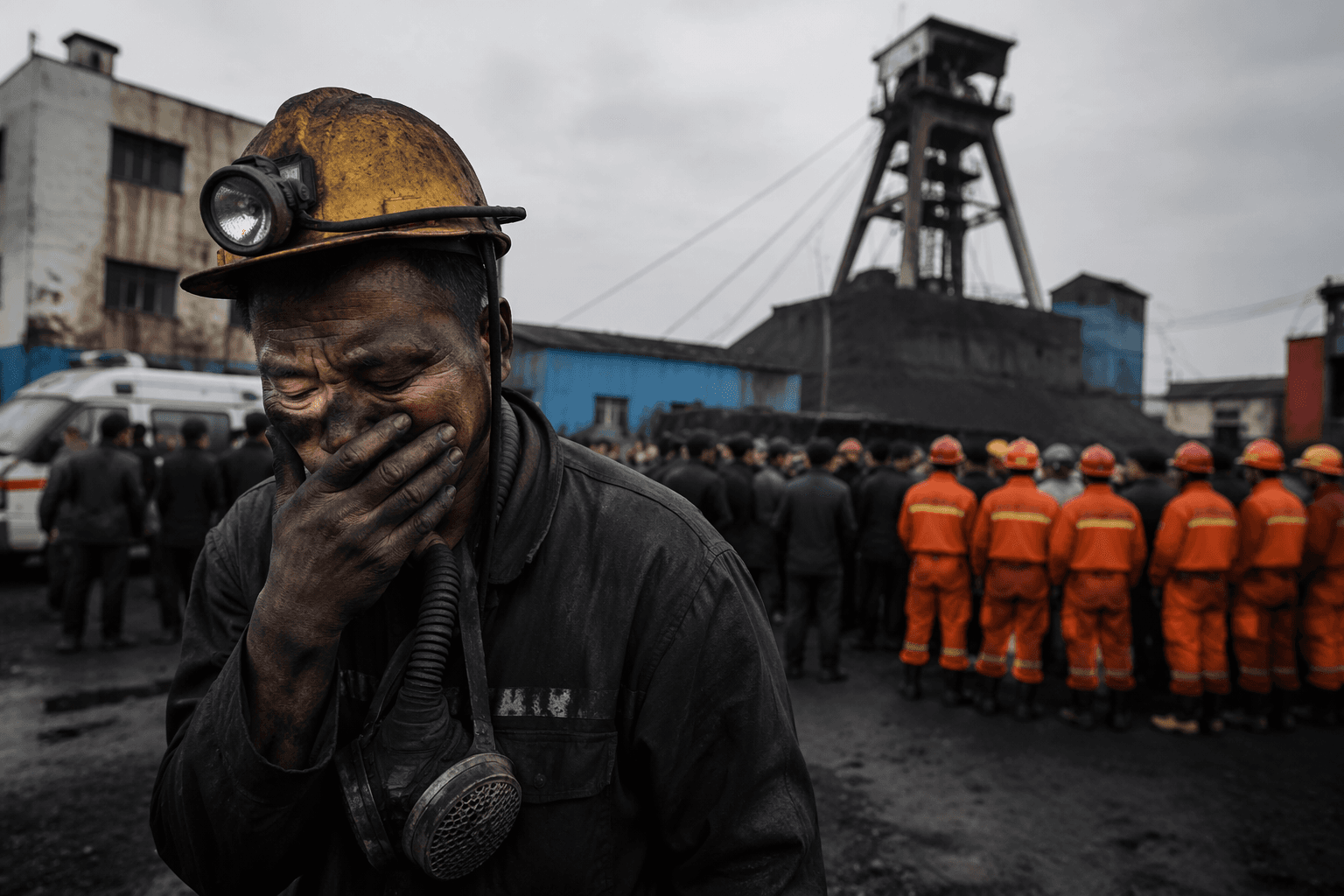
Xi Jinping issued instructions calling for all-out rescue efforts for the missing, treatment for the injured and a prompt investigation into the cause of the blast. State media said authorities were investigating the explosion, and reports said the person responsible for overseeing the mine had been arrested while company executives were detained as part of the inquiry. The mine is operated by Shanxi Tongzhou Group Liushenyu Coal Industry, placing one of the province’s industrial operators at the center of a disaster that is now likely to draw intense scrutiny from regulators and prosecutors.
The scale of the tragedy lands hard in Shanxi, one of China’s most important coal-producing provinces, which generated about 1.3 billion tons of coal last year, nearly a third of the country’s total output. That makes the province both an engine of China’s energy supply and a reminder of the human cost carried by workers underground. Officials have spent years promising tougher mine safety and stricter enforcement, yet this explosion suggests that production pressure and weak oversight still collide in ways that can turn routine shifts into mass-casualty events.
With nine people still unaccounted for and investigators already moving against mine officials, the Liushenyu disaster has become more than a single accident. It is a stark measure of how far China still has to go to make industrial safety match the demands of its coal economy.
Know something we missed? Have a correction or additional information?
Submit a Tip