Attacks Along Israel-Lebanon Border Strain Fragile Cease-Fire
Israeli demolitions, a deadly strike on U.N. peacekeepers and a disputed security strip have pushed the 10-day Israel-Lebanon truce to the edge.
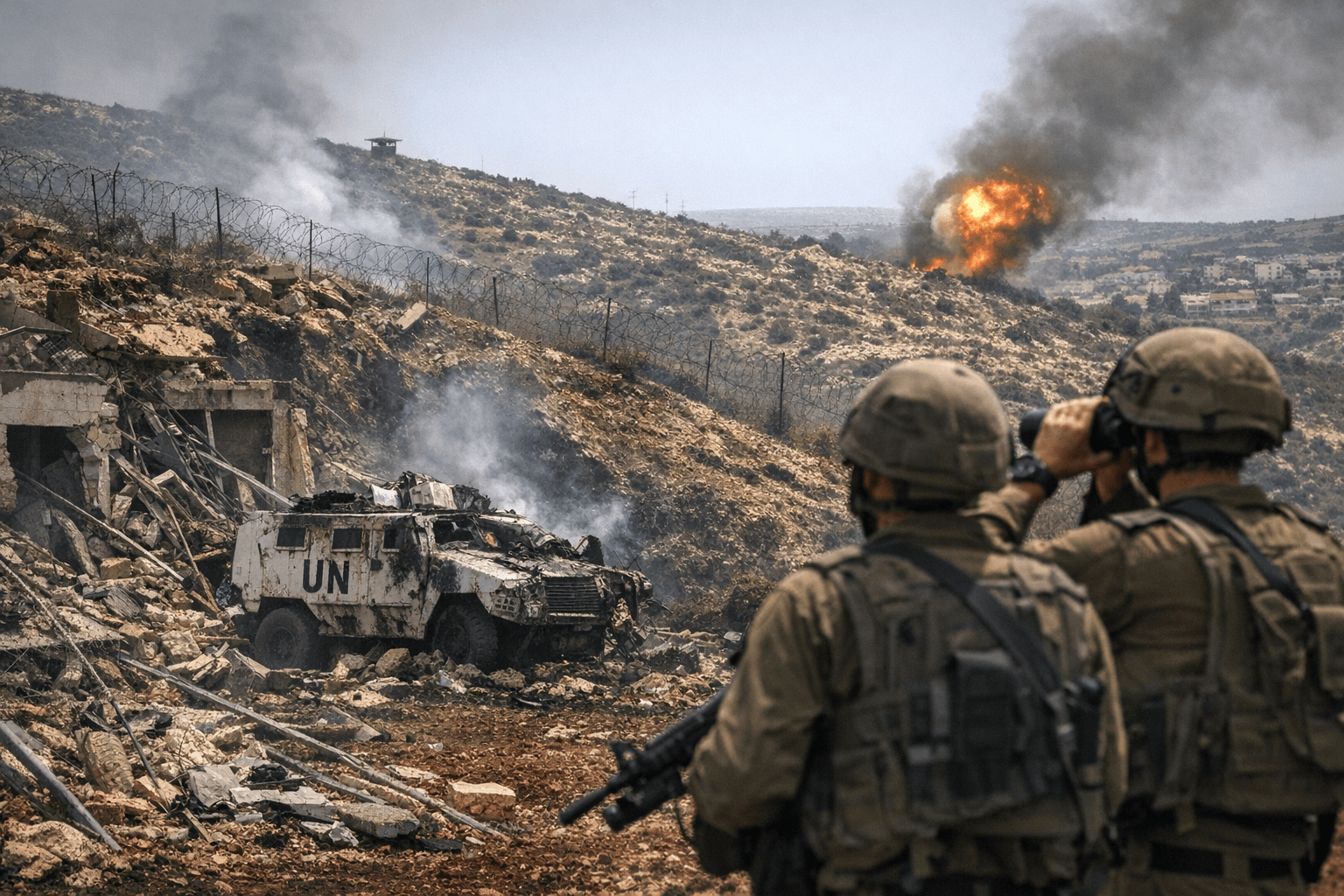
The cease-fire along the Israel-Lebanon border is being judged less by diplomacy than by whether either side can stop changing facts on the ground. Within hours of the U.S.-brokered truce taking effect on April 16, Israeli forces were reported demolishing buildings, shelling border areas and clearing land in southern Lebanon, even as the agreement was supposed to open a path toward lasting peace.
Washington said the deal began at 5 p.m. EST and was meant to create conditions for a broader settlement in which Israel and Lebanon would move toward “full recognition of each other’s sovereignty and territorial integrity.” The same statement said Lebanon would act to prevent Hezbollah and other armed groups from launching attacks, while Israel reserved the right to respond in self-defense to planned, imminent or ongoing threats. That balance has already been put under strain by a new Israeli deployment line inside Lebanon, a roughly 10-kilometer-deep “Yellow Line” that Israeli officials say would bar residents from returning to 55 towns and villages.
The fight over that strip is the core test of whether the truce can hold. Reuters reported Israel told residents of south Lebanon to stay away from the border zone and not approach the Litani River, reinforcing fears in Beirut that a temporary military line is turning into a de facto occupation. The Israeli military’s map on April 19 appeared to place dozens of mostly abandoned Lebanese villages under Israeli control. Lebanese leaders and Hezbollah have rejected the idea outright, and Parliament Speaker Nabih Berri warned on April 21 that there would be “daily resistance” if Israeli troops stayed in the buffer zone.
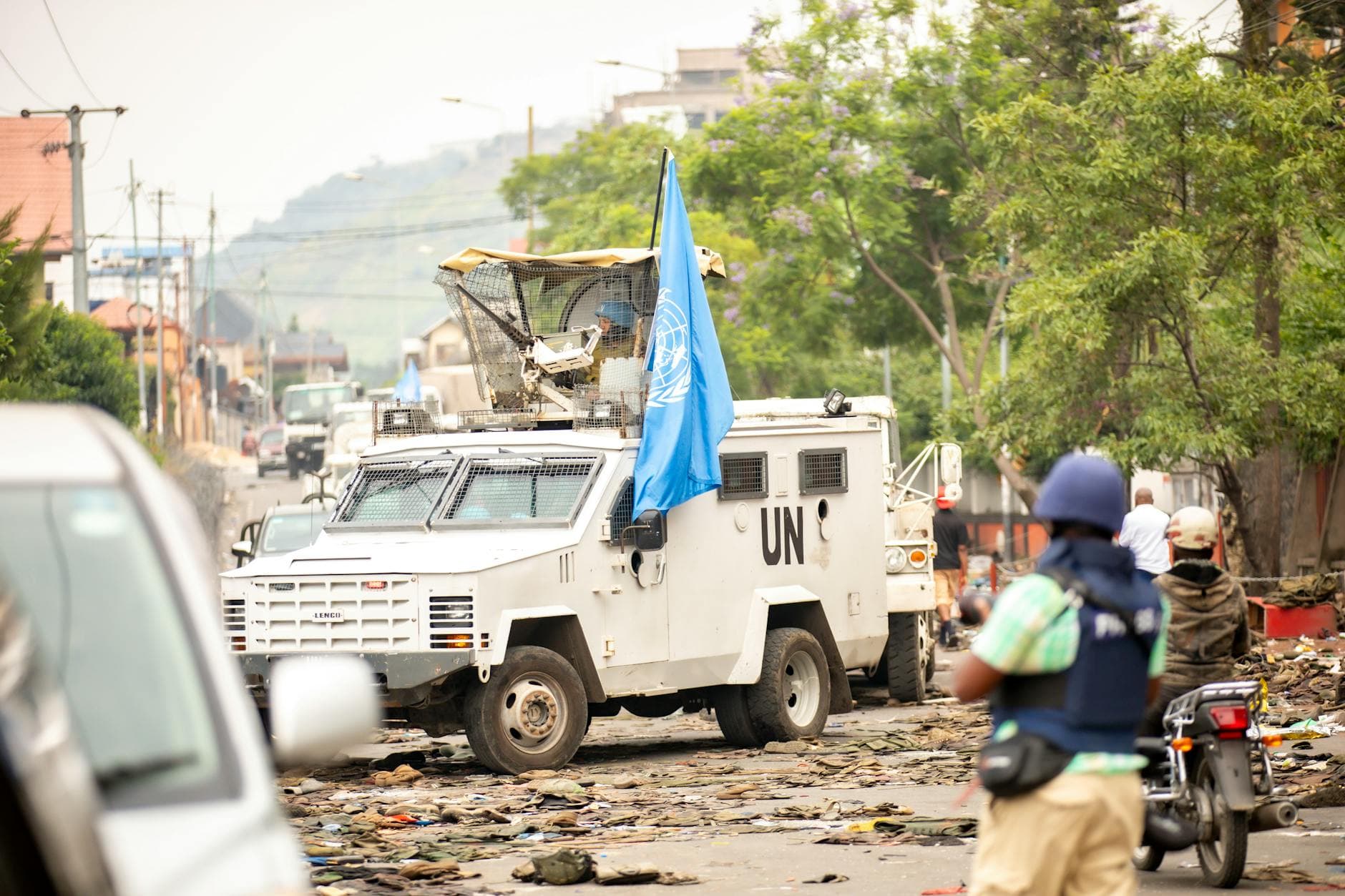
The risk is not only political. A UNIFIL patrol came under fire in southern Lebanon on April 18, killing one French peacekeeper and injuring three others. French President Emmanuel Macron said a French soldier was killed and three others wounded. UNIFIL has already said it was “seriously concerned” about Israeli evacuation demands north of the Litani River, new rockets launched from Lebanese territory into Israel, and continued Israeli troops and airstrikes inside southern Lebanon, all of which it said violated Security Council Resolution 1701.
That resolution ended the 2006 Israel-Hezbollah war, but the current escalation follows 46 days of bombardment and a ground invasion that has killed more than 2,000 people in Lebanon and displaced more than one million. The truce will collapse if rocket fire resumes at scale, if Israel expands its presence beyond a short-term security measure, or if the Yellow Line hardens into a lasting frontier. Right now, the region is close enough to that line that even a small miscalculation could send it over.
This article was produced by Prism’s automated news system from verified source data, official records, and press releases, then run through automated quality and moderation checks before publishing. The system is built and supervised by the people who set the standards it runs under. Read our full AI policy.
Did this article answer your question?


