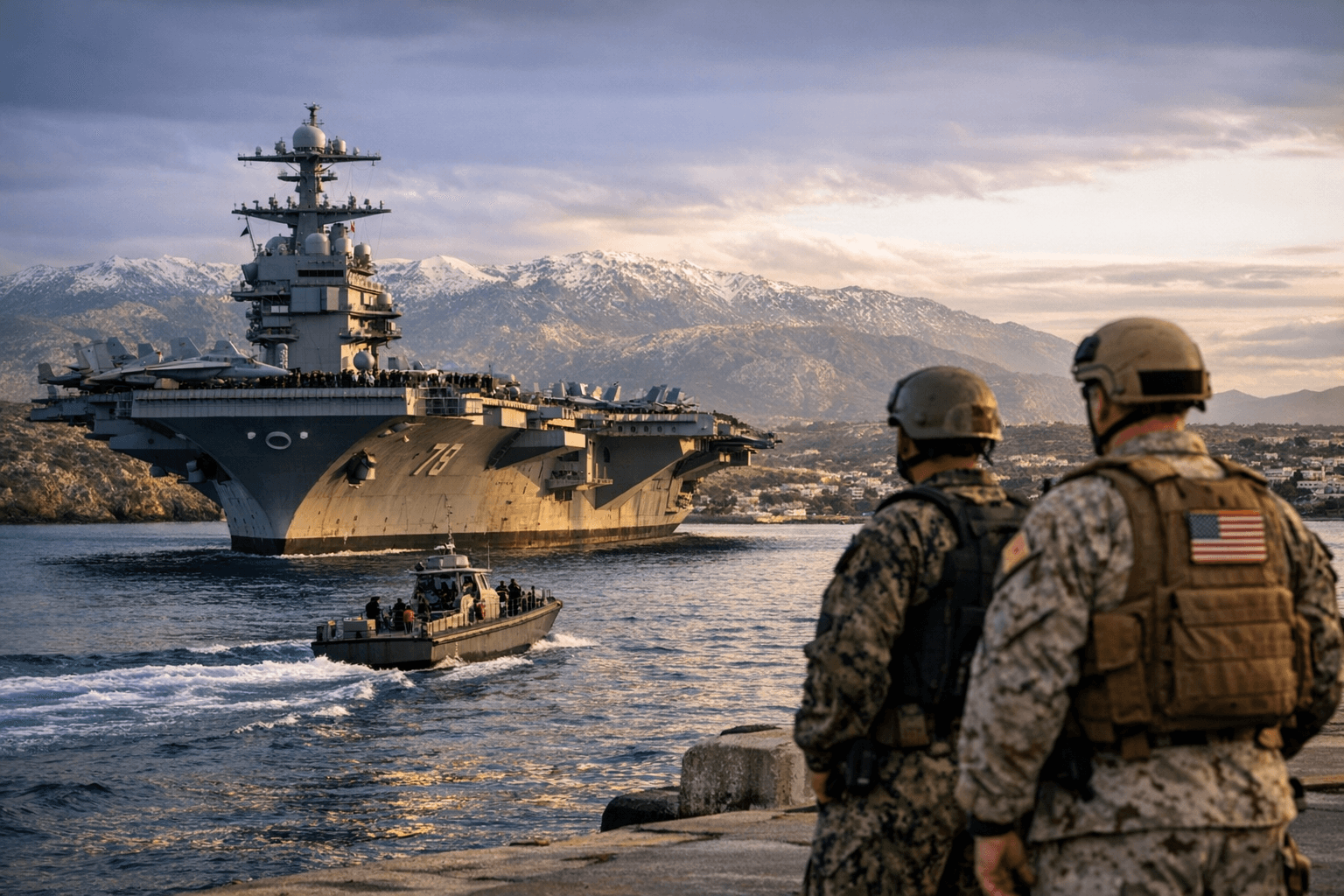
Australia and EU Sign Landmark Free Trade Deal, Eliminating 99 Percent of Tariffs
After 8 years and one failed collapse in 2023, Australia and the EU struck a deal eliminating 99% of tariffs — worth A$10 billion a year to Australia.
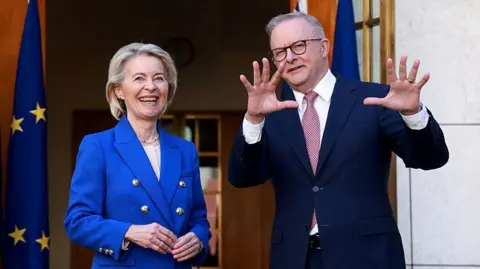
Eight years of grinding negotiations ended at Parliament House in Canberra on Monday, when European Commission President Ursula von der Leyen and Australian Prime Minister Anthony Albanese concluded a landmark free trade agreement that will eliminate more than 99 percent of tariffs on European Union goods entering Australia and remove duties on nearly all Australian critical minerals flowing into the EU.
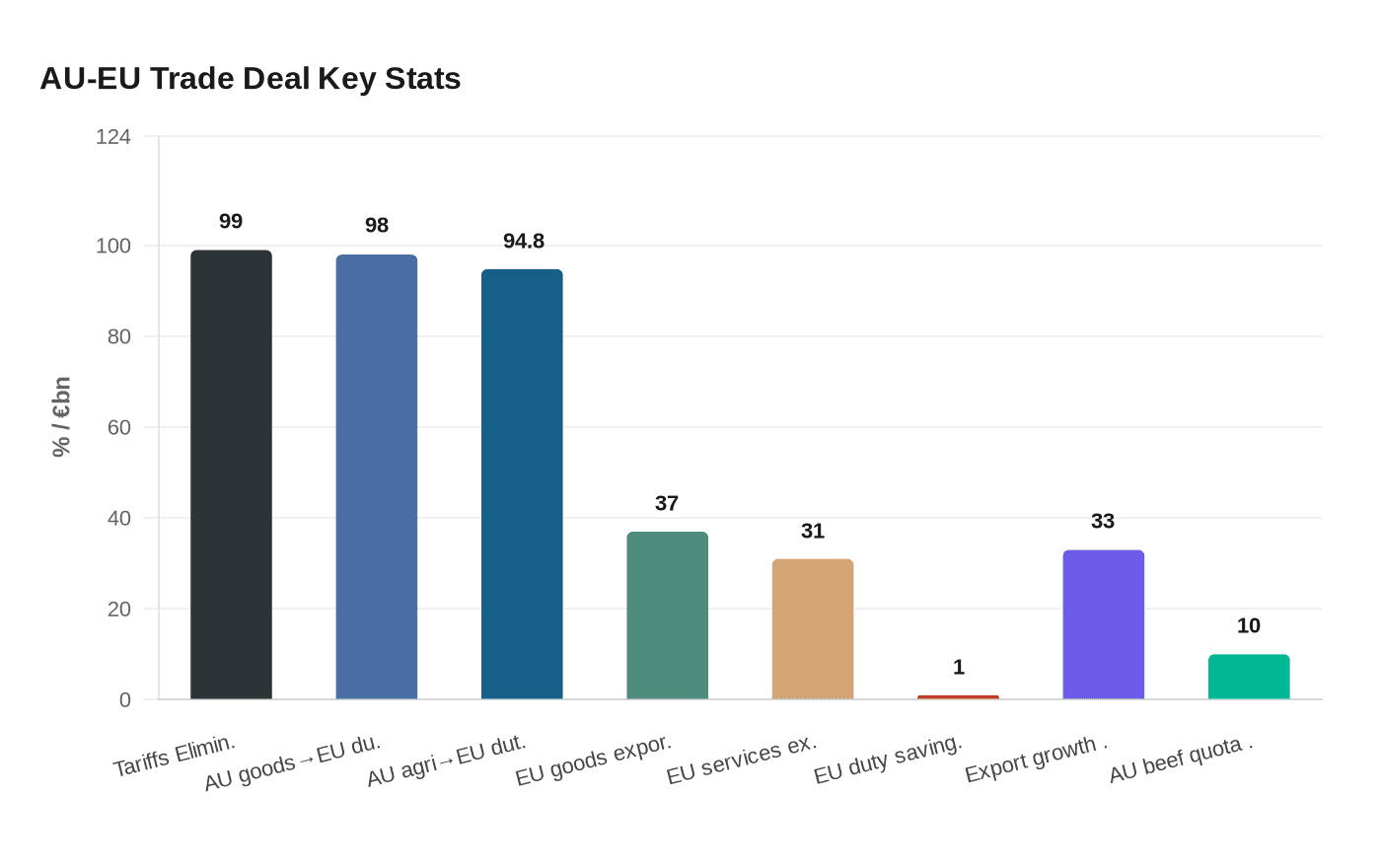
The agreement, worth approximately A$10 billion (about $7 billion), also includes a security and defence partnership that formalized closer military cooperation between the two sides. Prime Minister Albanese told a news conference the deal would deliver that figure annually to the Australian economy. Separate projections estimated the accord could add AU$7.8 billion (US$5.4 billion) to Australia's GDP specifically by 2030. The European Commission said the pact would save EU businesses €1 billion a year in duties, with exports projected to climb as much as 33 percent over the next decade.
The scale of the tariff overhaul is sweeping on both sides. Once fully implemented, 98 percent of the current value of Australia's goods exports will enter the EU duty-free, and 94.8 percent of the value of Australia's agricultural exports will enter the EU duty-free. For European exporters, tariffs will eventually fall to zero on products including cheese, wine, some fruit and vegetables, chocolate, and processed foods. EU firms already exported €37 billion in goods and €31 billion in services to Australia in 2024, giving the projected one-third growth in exports a substantial base to build on.
Agriculture had been the deal's most stubborn sticking point. Negotiations broke down two years prior over Australian demands for more red meat market access and complaints about Australian products labeled with traditionally European names such as prosecco. The final text resolved those disputes through compromise: the quota of Australian beef allowed into the EU will increase more than ten times the current level over the next decade, though that figure still falls short of what Australian farmers had sought. Australian producers of prosecco will be banned from using the name on exports ten years after the pact takes effect. Grandfathering and lengthy phase-out periods were secured for a limited number of terms such as feta, Romano, and gruyere.
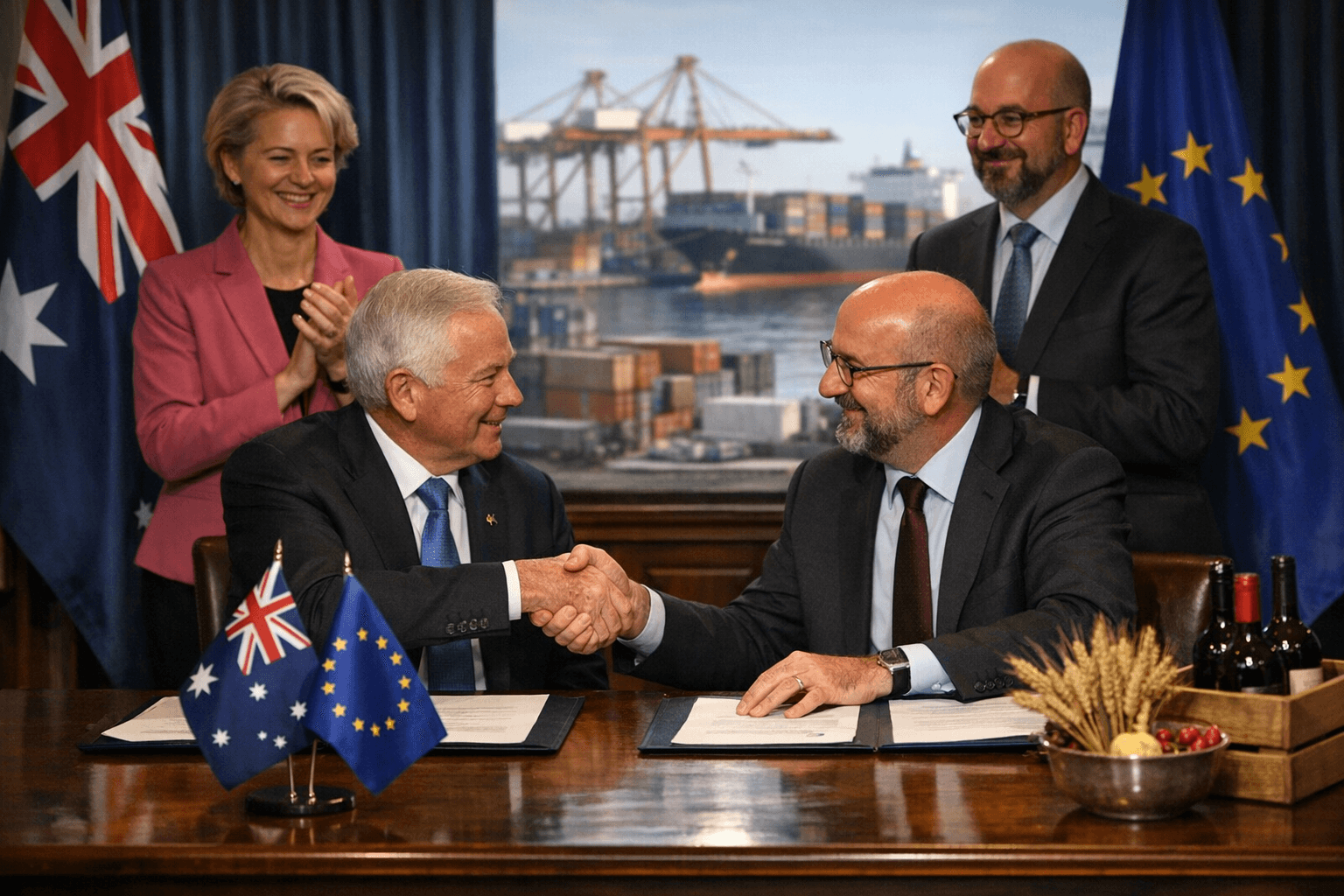
European automakers also secured a concrete gain. Australia raised the threshold for its luxury car tax on electric vehicles, making three-quarters of EVs now exempt from the levy. The removal of most Australian tariffs on imports from the EU will also make European wine, spirits, biscuits, chocolates, and pasta cheaper at Australian checkouts.
The critical minerals provisions carry strategic weight well beyond bilateral trade. All tariffs will be eliminated on Australian energy and resource products, including critical minerals, lithium hydroxide, and hydrogen and its carriers. The elimination of EU tariffs on Australian critical minerals and hydrogen is designed to support Australia's ambition to become a renewable energy superpower and help stabilise supply chains. The EU has been pushing to reduce its dependency on China, particularly in critical minerals where Beijing has imposed export controls on key resources.
Beyond trade, the EU and Australia announced the adoption of a Security and Defence Partnership and agreed to launch formal negotiations for Australia's association with Horizon Europe, the world's largest research and innovation funding programme. The partnership establishes cooperation on maritime security, cybersecurity, countering hybrid threats and foreign information manipulation, emerging technologies including artificial intelligence, and space security.
Von der Leyen's visit to Canberra unfolded against a backdrop of escalating energy anxiety. International Energy Agency chief Fatih Birol warned in Canberra that the world faced an "energy crisis not seen in decades" if the Middle East conflict was not resolved. Von der Leyen herself described the conflict as a "stark reminder" of Europe's vulnerabilities and called for an "immediate end to hostilities," citing the critical strain on global energy supply chains. Australia, heavily reliant on fuel imports, has felt that pressure directly.
The geopolitical logic driving the deal was explicit from both sides. The breakthrough came as both the EU and Australia sought to diversify their trading networks and reduce their economic reliance on China and exposure to uncertain U.S. policy. Australia had already been working to rebuild export routes for farmers after a 2020 dispute with Beijing blocked agricultural shipments for several years. The deal is the latest addition to the EU's agreements in the Indo-Pacific region, following the conclusion of FTA negotiations with Indonesia in September 2025 and India in January 2026.
"With these dynamic new partnerships on security and defence, as well as trade, we are moving even closer together," von der Leyen said, as both leaders signed documents at Parliament House.
Negotiations for the free trade agreement launched on June 18, 2018, and concluded on March 24, 2026, formally announced by Albanese and von der Leyen. Once the text is adopted by the European Council, it will need to be signed by both sides and then ratified by their respective parliaments to enter into force. The ratification path means the deal's economic benefits remain contingent on legislative approval in both the European Parliament and the Australian parliament, but after nearly a decade, both governments are treating Monday's conclusion as the decisive turn.
Sources:
Know something we missed? Have a correction or additional information?
Submit a Tip