Australia charges man with murder after Indigenous girl's killing sparks unrest
A five-year-old girl’s killing led to tear gas outside Alice Springs Hospital and a murder charge, exposing long-simmering anger over Indigenous safety.

Police in the Northern Territory have charged Jefferson Lewis, 47, with murder over the death of five-year-old Kumanjayi Little Baby, a case that turned grief into unrest and drew fresh attention to the safety failures facing Indigenous communities in Alice Springs.
Kumanjayi Little Baby went missing late on April 25 from the Old Timers, or Ilyperenye, town camp on the outskirts of the central Australian town. Her body was found about 5 kilometres south of the camp after a five-day search that drew hundreds of volunteers and police. Lewis was arrested near Charles Creek town camp at about 10:30pm on April 30, then taken to Alice Springs Hospital after police said he had been badly beaten by locals.
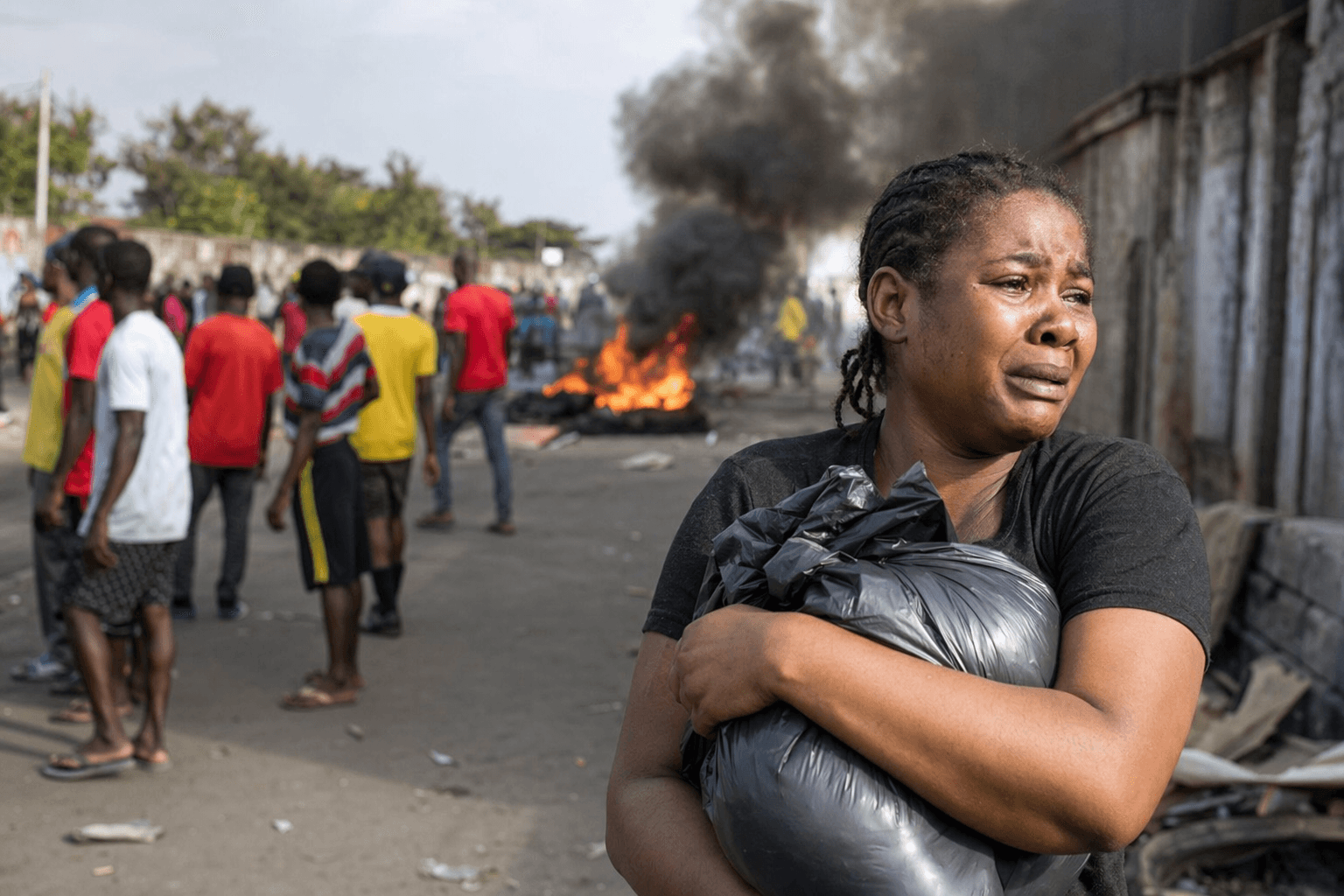
The violence escalated outside the hospital, where about 400 Indigenous people gathered in anger and grief. Police used tear gas and riot gear to clear the crowd after some people threw projectiles and lit fires. Officers, medical workers, ambulances, fire trucks and police vehicles were damaged in the confrontation, and police later said 11 people had been arrested in relation to looting. A nearby service station and supermarket suffered more than $200,000 in damage and stock losses.
Lewis now faces murder charges and two other offences that police say cannot be publicly disclosed for legal reasons. Officers flew him to Darwin for his own safety, saying the transfer was not for medical treatment. Northern Territory Police Commissioner Martin Dole called the case horrific and urged calm, while Prime Minister Anthony Albanese appealed for restraint.
The family of the dead girl has also called for peace. Robin Japanangka Granites, her grandfather and a senior Warlpiri elder, thanked the community for its support and said it was time for “sorry business,” asking people to let justice take its course. The family has said it wants the community to grieve without further violence.
The unrest has laid bare the deeper pressures surrounding Indigenous life in the Northern Territory. Alice Springs has 16 town camps, with 1,055 permanent residents in 256 households, and the Old Timers camp sits about 6 kilometres south of the town centre. Tangentyere Council Aboriginal Corporation manages the camps.
The broader policy picture remains grim. The Australian Institute of Health and Welfare says the Closing the Gap target is to reduce the rate of Aboriginal and Torres Strait Islander adults in incarceration by at least 15% from a 2019 baseline of about 2,142 per 100,000 adults by 2031. It also says First Nations people were seven times as likely as non-Indigenous Australians to be charged with an offence in 2016, 11 times as likely to be held on remand and 12.5 times as likely to receive a prison sentence. Life expectancy remains sharply unequal too, with First Nations males estimated at 71.9 years in 2020-2022, compared with 80.6 years for non-Indigenous males. Those gaps, shaped by colonisation, racism, overcrowded housing, poor sanitation, low education, unemployment and trauma, frame the anger now testing whether authorities can deliver justice without deepening the damage.
Sources:
Know something we missed? Have a correction or additional information?
Submit a Tip