Australia Halves Fuel Tax, Offers Free Transit Amid War-Driven Price Surge
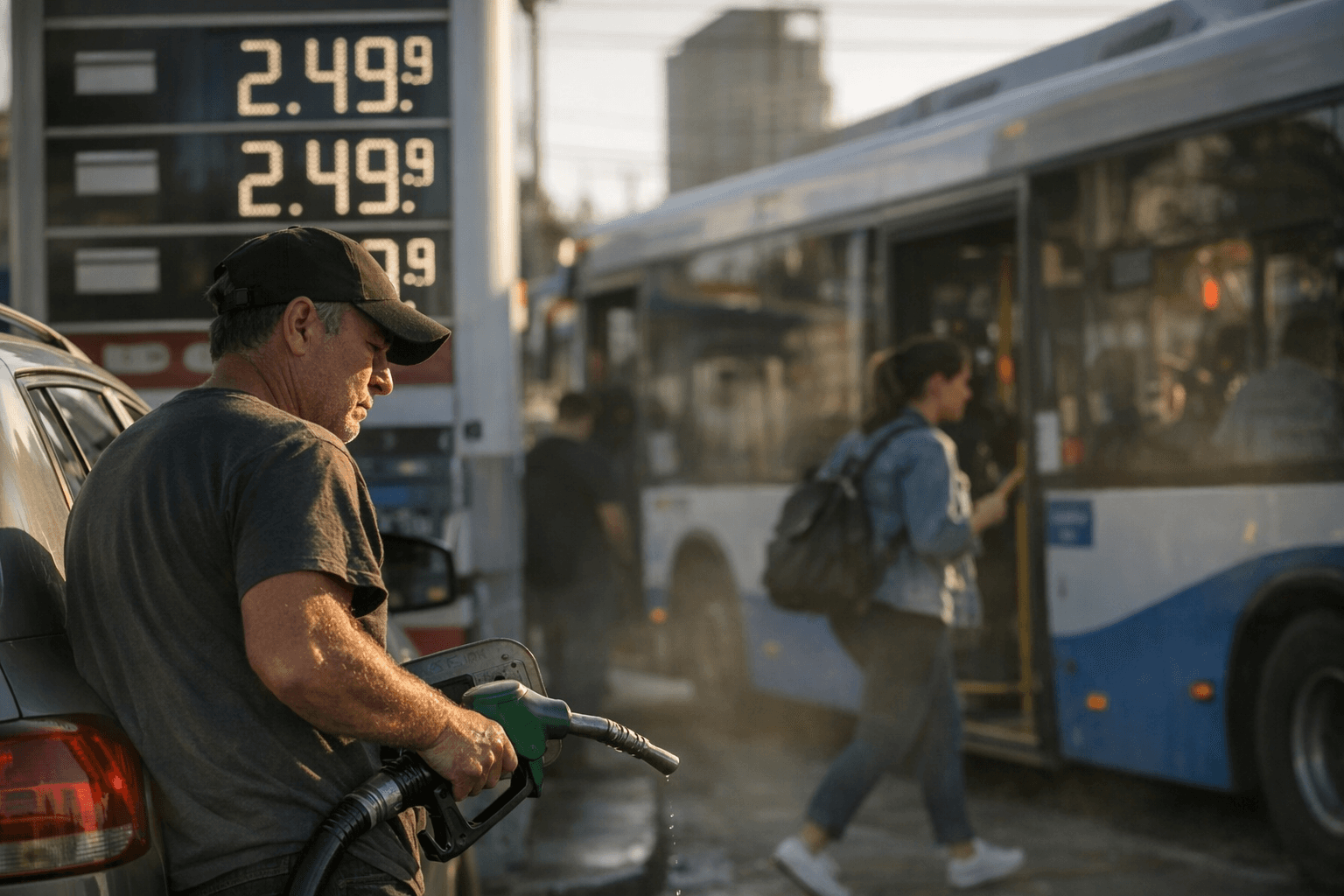
Petrol hit $2.48/litre in NSW as Australia halved its 52-cent fuel excise Monday, cutting pump prices by 26.3 cents in a $1.75 billion emergency response.
Scores of petrol stations across New South Wales ran dry Monday as Prime Minister Anthony Albanese cut Australia's fuel excise in half, reducing pump prices by 26.3 cents per litre in a $1.75 billion bid to contain a war-driven price crisis spreading from the Strait of Hormuz to regional towns.
Albanese announced the three-month excise halving following a national cabinet meeting, slicing the 52-cent-per-litre sales tax to roughly 26 cents. The federal government simultaneously paused road-user charges for heavy vehicles for the same three-month period and introduced legislation in parliament to underwrite the purchase of shiploads of fuel to bolster national supply. The laws were expected to clear the lower house with bipartisan support Monday before heading to the Senate on Tuesday.
The numbers driving the decision are stark. New South Wales Fuel Check data showed the average petrol price in that state surged from Aus$1.82 per litre in February to Aus$2.48 on Monday, with diesel reaching Aus$3.00. While weekly government data indicated Australia holds 39 days of petrol supply and 30 days of diesel, a blockage of the Strait of Hormuz has stoked fears of future shortfalls, prompting widespread panic-buying that drained regional stations faster than distribution networks could replenish them.
NSW Premier Chris Minns confirmed the severity on the ground, saying there were "scores of petrol stations without any fuel" and that his government's immediate focus was "helping rural towns." Minns added: "If the situation gets worse, we will take extra measures."
Albanese framed the excise cut as both urgent and insufficient on its own, calling on city drivers to reduce fuel consumption so supply could be redirected. "The less fuel we use in the cities obviously the more we can redirect to regional areas that are under pressure," he told reporters in Canberra. On the broader trajectory of the conflict he was direct: "The longer this war goes on, the worse the impacts will be."
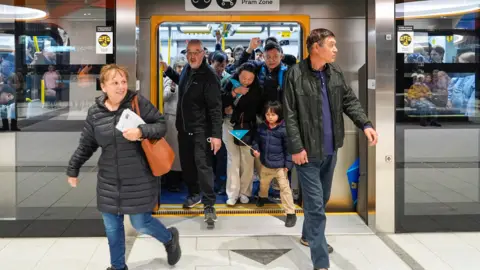
The federal action exposed a patchwork of state-level responses, particularly on public transport. Victoria made fares free throughout April, and Tasmania went further, waiving fares until the end of June. Both governments framed the move as an incentive to keep commuters off the roads. South Australia and New South Wales declined to follow suit. South Australian Transport Minister Joe Szakacs said it was still cheaper to catch the bus than drive, while Western Australian Premier Roger Cook noted that fares in his state were already "historically low." Queensland announced it would maintain its existing 50-cent fare structure.
The Albanese government maintained throughout Monday that national fuel supply remains stable and that shipments continue to arrive, attributing local shortages to panic buying and distribution bottlenecks rather than a systemic supply failure. The parliamentary bill to underwrite commercial fuel shipments represented the government's attempt to address the supply chain directly, beyond the immediate price relief the excise halving provides. At Aus$1.75 billion over three months, the package is the Albanese government's largest single cost-of-living intervention since the energy bill relief payments of 2023, and its durability will depend entirely on how long the conflict in the Middle East continues.
Know something we missed? Have a correction or additional information?
Submit a Tip