Australia’s housing tax overhaul sparks early backlash after budget polls
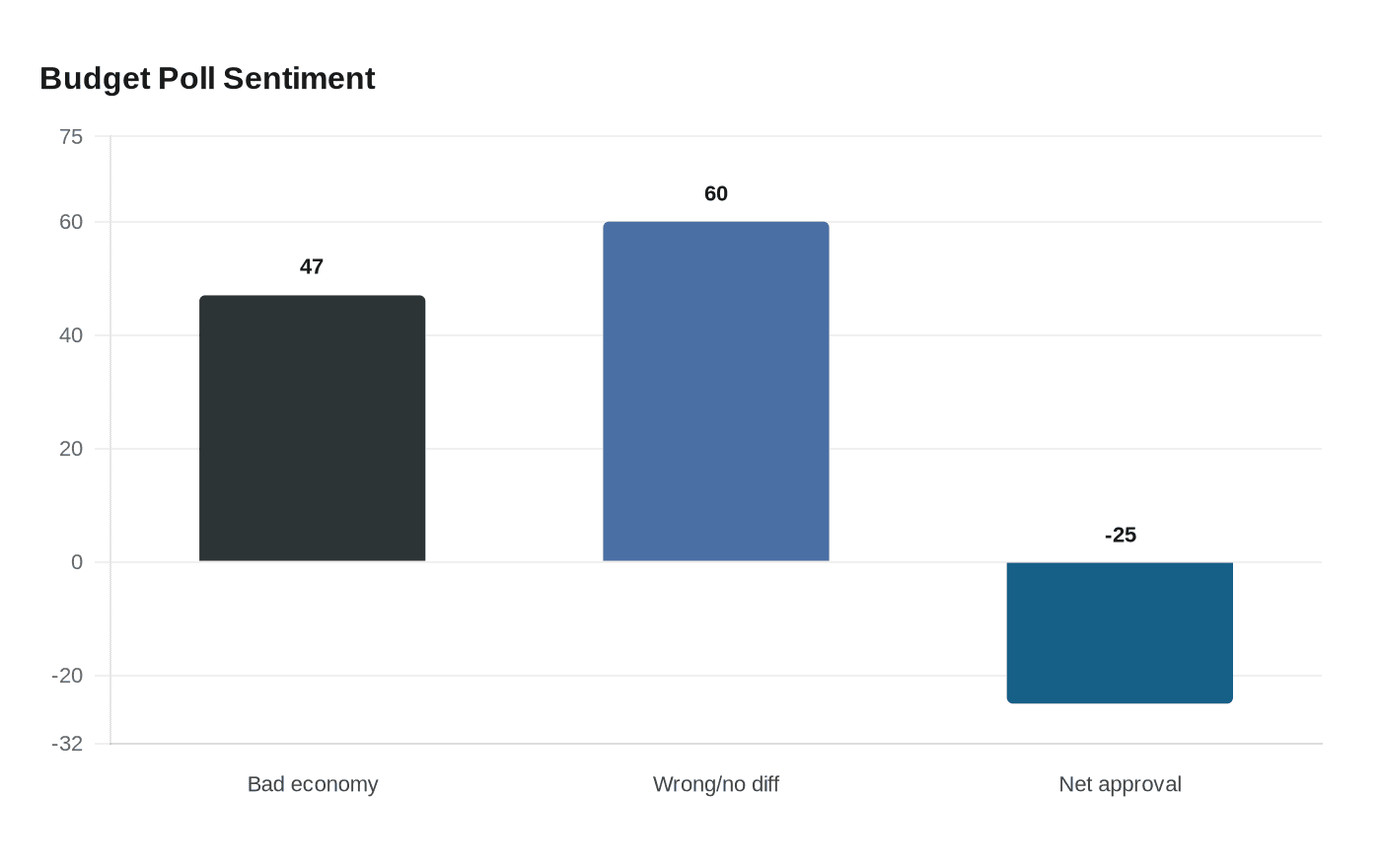
Voters are souring on Labor’s housing-tax overhaul before it becomes law, with Newspoll finding 60% reject the measures and a minus 25 budget rating.

Australia’s plan to strip back housing tax breaks has already run into a political wall. The 2026-27 federal budget, announced on May 12, would limit negative gearing on residential property investments to new builds and replace the 50% capital gains tax discount with cost-base indexation and a 30% minimum tax on capital gains, a shift Treasury says is meant to make the system fairer and less tilted toward older, wealthier investors.
The backlash was immediate. One Newspoll found 47% of voters believed the budget would be bad for the economy, while 60% said the housing measures were either a step in the wrong direction or would make no difference. The same survey gave the budget a minus 25 net approval rating, which it described as the most unpopular in decades. Another poll, the Resolve Political Monitor, put Labor’s primary vote at 29%, with One Nation on 24% and the Coalition on 23%. In that same survey, Angus Taylor led Anthony Albanese 33% to 30% as preferred prime minister.

The political danger for Labor is obvious: the people most directly affected are property investors who have benefited from Australia’s generous treatment of housing. Under the package, existing investors would lose access to the old tax advantages on established homes, while new-build investment would still receive negative gearing benefits. Supporters say that is the point, because it shifts incentives away from bidding up the price of existing stock and toward adding supply.
The government says the changes could move 75,000 properties from investors to owner-occupiers over a decade. It also expects the reforms to slow house-price growth by about 2% a year in the near term, while some early estimates suggest rents could rise by roughly $2 a week before any longer-term relief appears. That is the central tradeoff now hanging over the policy: any benefit to future buyers and owner-occupiers may be delayed, while the immediate burden falls on landlords and investors.
The budget also paired the tax overhaul with about $2 billion for infrastructure to support construction of 65,000 new homes over the next 10 years, reinforcing Jim Chalmers’ argument that tax reform and supply must move together. But the politics are made harder by Labor’s 2025 election pledge not to change housing taxes. That promise is now being tested against a housing market still under pressure, and voters appear far from convinced that remaking the tax system is worth the short-term hit.
This article was produced by Prism’s automated news system from verified source data, official records, and press releases, then run through automated quality and moderation checks before publishing. The system is built and supervised by the people who set the standards it runs under. Read our full AI policy.
Did this article answer your question?

