Mamdani to announce city-owned grocery store for Hunts Point next year
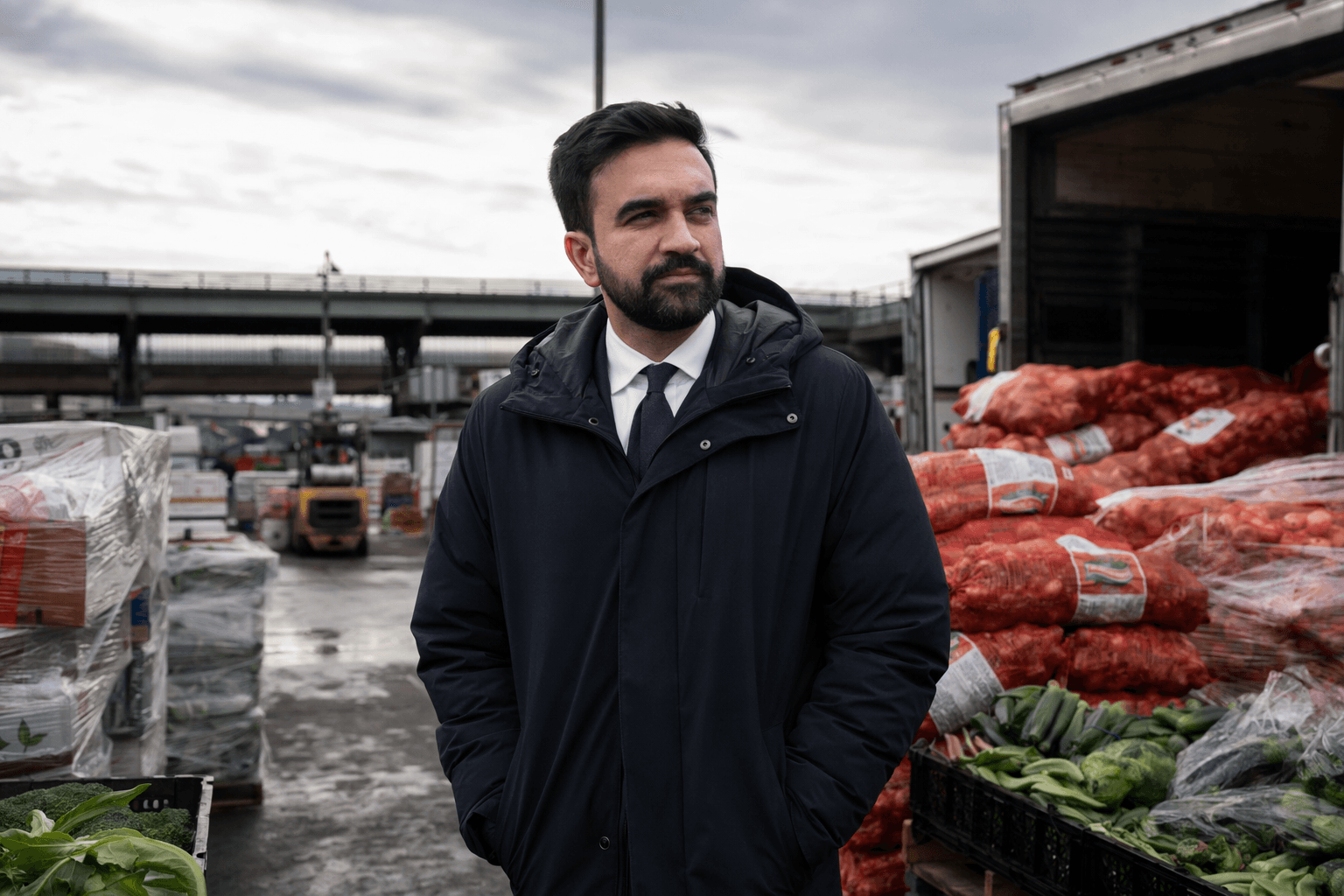
Zohran Mamdani will put a city-owned grocery in Hunts Point, testing whether public competition can cut prices in a neighborhood that already feeds much of New York.

Zohran Mamdani is set to make Hunts Point the next proving ground for his city-owned grocery plan, betting that a public model can shave costs in one of the Bronx’s most economically stressed neighborhoods. The proposal lands in a place where food is already a defining industry, and where shoppers still face the same price spikes that have pushed city grocery bills up nearly 66% over the past decade.
Mamdani’s plan calls for five city-owned grocery stores, one in each borough, backed by $70 million in capital funds. New York City would own the land and pay for overhead such as rent and construction, while a private operator selected through a request for proposals would run the stores day to day and be expected to pass savings along on a core basket of staples. City Hall has cast the program as both an affordability measure and a public-health response for neighborhoods with high food insecurity and heavy reliance on SNAP and other assistance.
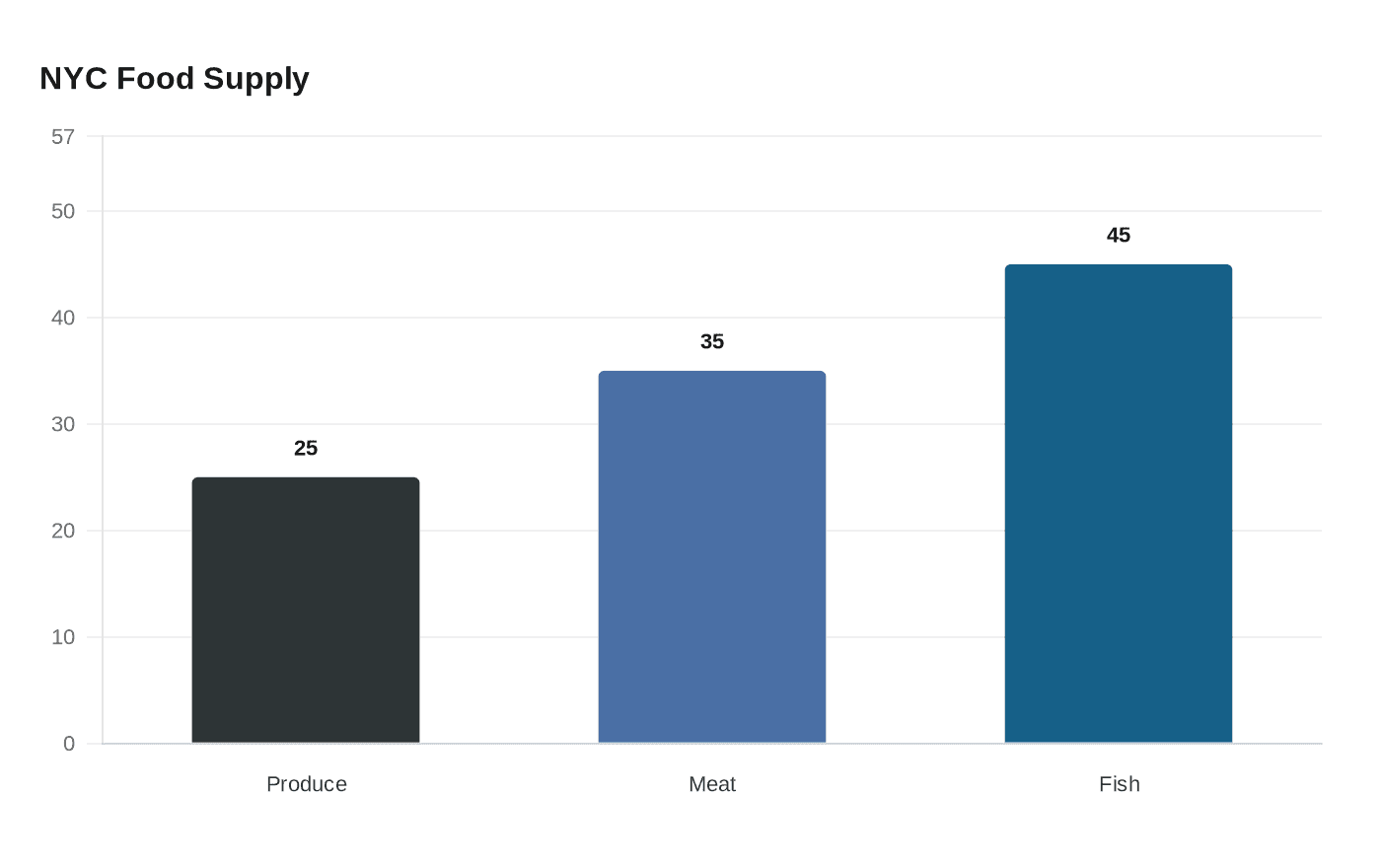
Hunts Point gives the idea unusual symbolic weight. The South Bronx is already home to the Hunts Point Food Distribution Center, the largest food distribution hub in the country by volume. The 329-acre campus includes more than 155 wholesalers, distributors and manufacturers, directly provides about 8,500 jobs and supplies roughly 25% of New York City’s produce, 35% of its meat and 45% of its fish. About 4.5 billion pounds of food move through Hunts Point each year, with roughly half staying in the city. The Hunts Point Produce Market moved there from Manhattan in 1967, making the neighborhood a central node in the city’s food system long before Mamdani’s grocery plan arrived.
The announcement also sharpens an argument over whether government can compete in retail without distorting it. The United Bodegas of America and Gristedes owner John Catsimatidis have attacked the proposal, with bodega leaders saying it could threaten thousands of workers and should not put government in the grocery business. Critics question whether public stores can keep prices low while covering labor and operating costs. Supporters point to polling showing 66% of New Yorkers back municipal grocery stores and 90% are worried about rising food costs.
La Marqueta in East Harlem was the first identified site for the program, announced on April 14, 2026, and the city says the first store should open in late 2027, with all five operating by 2029. La Marqueta itself carries its own history: at its peak it served 25,000 New Yorkers and once cut overhead for pushcart vendors while lowering consumer costs. In Hunts Point, that old model of public intervention will now be tested against a far larger and more complex food economy.
This article was produced by Prism’s automated news system from verified source data, official records, and press releases, then run through automated quality and moderation checks before publishing. The system is built and supervised by the people who set the standards it runs under. Read our full AI policy.
Did this article answer your question?

