Australia steps up bird flu surveillance after first mainland H5N1 cases
Australia widened bird flu surveillance after its first mainland H5 detection in a brown skua, while South Australia checked dead birds and sea lion sites for spread.

Australia widened bird flu surveillance after its first mainland H5 detection in a brown skua found in Cape Le Grand National Park on Western Australia’s southern coast, as officials raced to learn whether the virus had reached other wildlife colonies. South Australia began ground checks and drone surveys at sea lion breeding sites on its west and far west coasts, and state officials said testing could take several days.
Dead birds were found on remote beaches, including two sub-Antarctic seabirds and a pelican near Fowlers Bay. South Australia’s Primary Industries department said there were still no confirmed cases in the state, but it would investigate reports of sick or dead birds and alert the public if a positive result turned up.
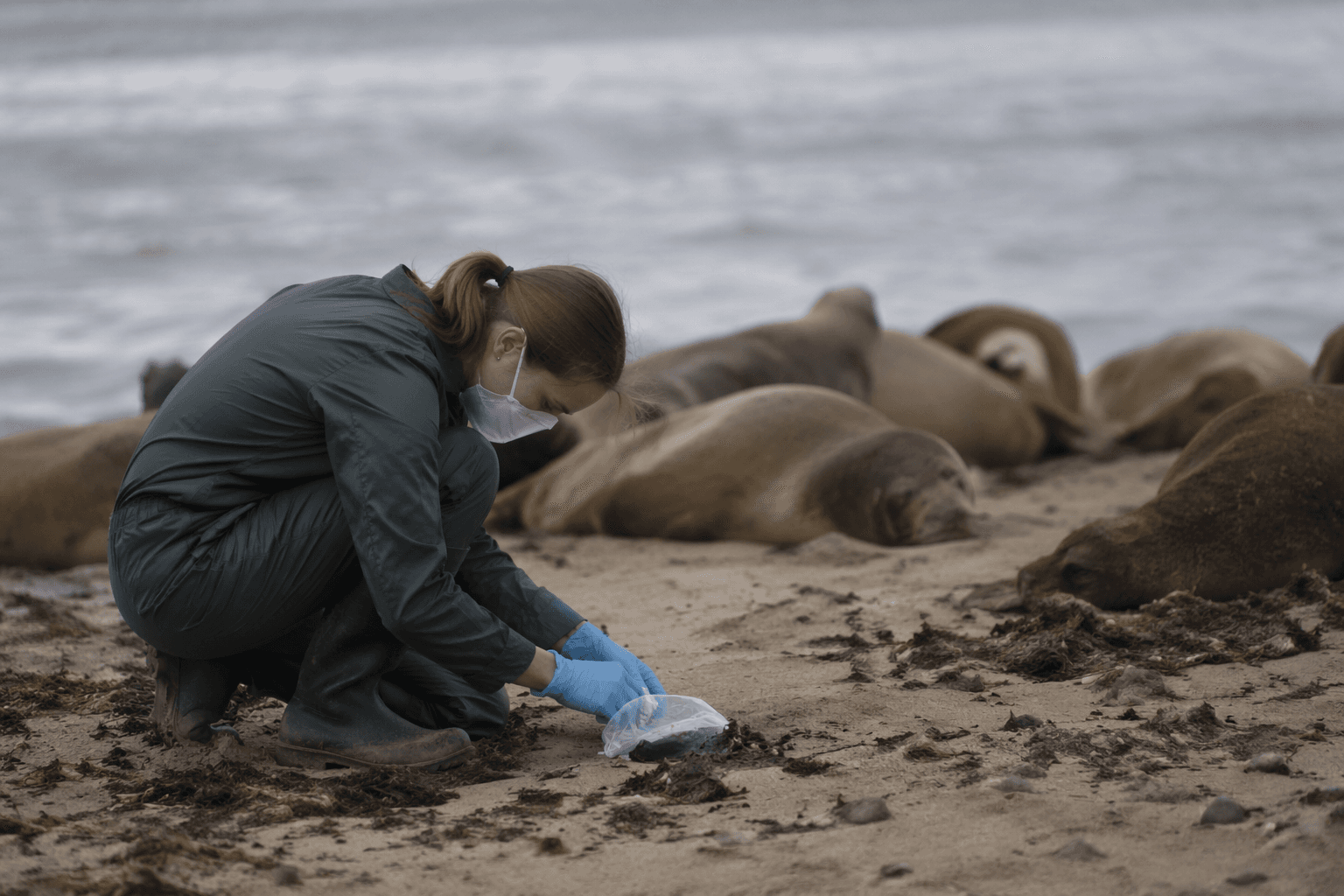
H5N1 clade 2.3.4.4b has caused severe disease and high death rates in birds, poultry, wild birds and some mammals overseas. The detection ended Australia’s run as the last continent without H5 bird flu. Eleven samples had been sent for testing in Western Australia after 94 reports of dead or unwell birds over the previous three days, while two more birds were being tested farther from the original cases. On June 18, the Albanese government announced an additional A$11.2 million for at-risk native species, adding to more than A$113 million already committed, after an earlier A$95 million boost in October 2024.
Julie Collins said H5 bird flu remains a low health risk to people unless there is direct and close contact with sick birds. She also said eggs and poultry meat are safe to eat if handled and cooked properly. Public guidance tells people to avoid contact with dead wildlife, photograph and record the location, and report suspected cases to the 24-hour Emergency Animal Disease Hotline on 1800 675 888.

The Australian Veterinary Association said the mainland detection was a sobering milestone and said it underlined the need for strong veterinary readiness and more workforce investment. Papua New Guinea suspended poultry imports from Australia after the confirmed cases.
This article was produced by Prism’s automated news system from verified source data, official records, and press releases, then run through automated quality and moderation checks before publishing. The system is built and supervised by the people who set the standards it runs under. Read our full AI policy.
Know something we missed? Have a correction or additional information?
Submit a Tip
