Australian LNG strikes to continue as tribunal backs unions
Australia’s Offshore Alliance said it would prolong strikes at Ichthys after a tribunal refused to halt them, keeping pressure on a 9.3-million-tonne LNG exporter.

Australia’s Offshore Alliance said it would extend industrial action at Inpex’s Ichthys LNG project beyond June 23, sharpening a dispute that now threatens shipments from one of the country’s biggest gas export projects. The tribunal’s refusal to stop the strikes left unions with fresh leverage and raised the stakes for Asian buyers that depend on steady Australian LNG cargoes.
The conflict had already escalated after workers walked off the job on June 2, following weeks of stalled pay-and-conditions talks. Around 400 oil and gas workers were involved in the action, and Inpex moved on June 10 to seek urgent orders from the Fair Work Commission to stop protected industrial action. The commission rejected that bid on June 14, allowing strikes to continue until June 23 and imposing a ban on loading cargoes.
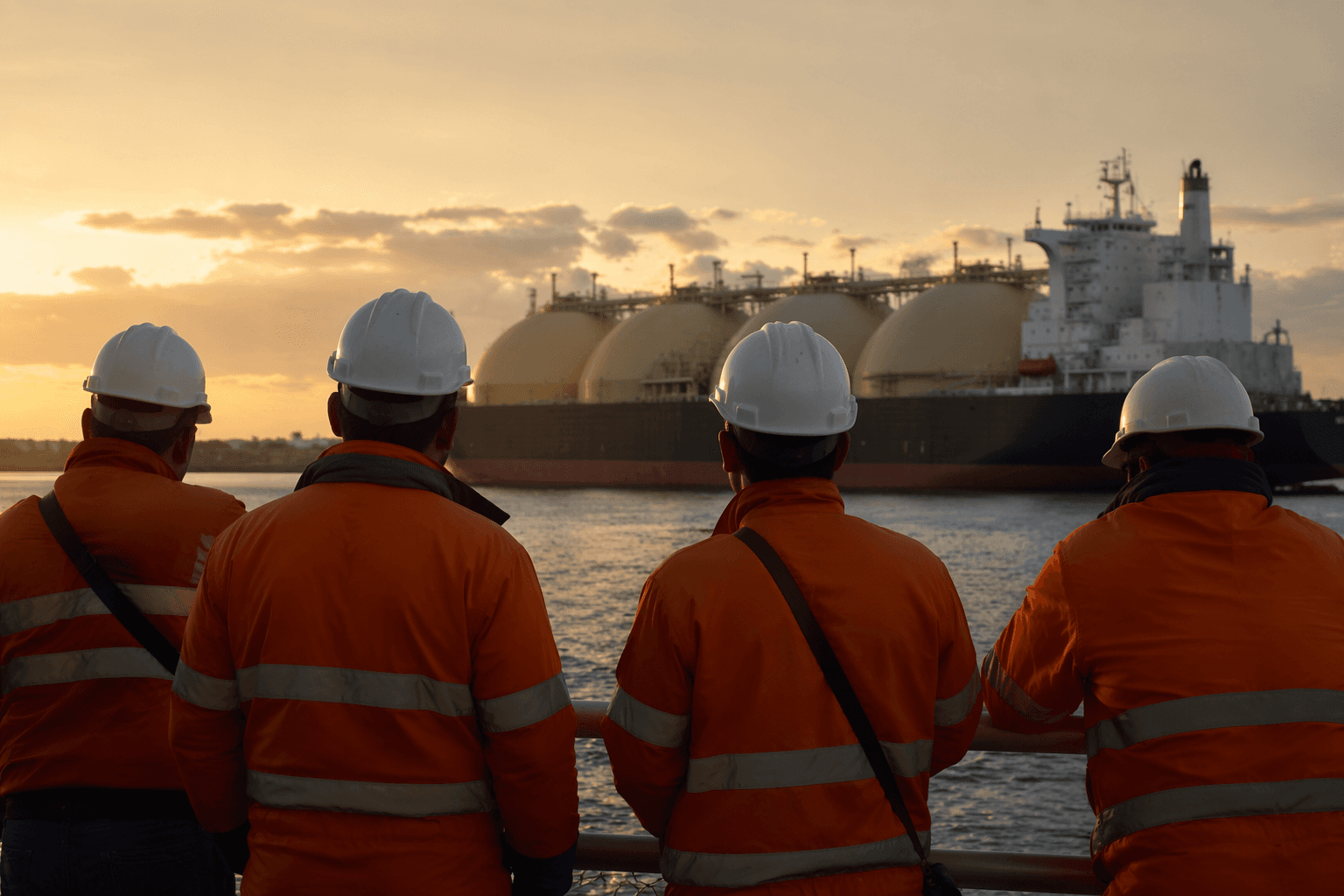
For Inpex, the issue went beyond a single wage dispute. The Offshore Alliance, which brings together the Australian Workers’ Union and the Maritime Union of Australia, said it would notify the company that industrial action would be extended. That signaled that bargaining remained deadlocked and that workers were willing to keep the pressure on until the company improved its offer. Earlier reporting said Inpex was preparing an updated offer while the dispute continued.
The Ichthys LNG project is a major industrial asset for Australia and a critical node in regional energy supply. INPEX says the facility can produce up to 9.3 million tonnes of LNG a year, along with up to 1.65 million tonnes of LPG and more than 100,000 barrels of condensate a day at peak. Production began in July 2018, after the project was sanctioned in 2012, and it is expected to operate for about 40 years.
That scale makes any prolonged shutdown more than a labor issue. Even if operations are only partially constrained, the risk of delayed cargoes can unsettle LNG buyers across Asia, where contract reliability is central to energy security planning. Inpex had argued the strikes should be halted, underscoring how seriously the company viewed the threat to production continuity and export revenue.
The tribunal’s decision also reflected how industrial relations at energy projects can spill into broader economic concerns. The dispute now turns on timing and leverage: unions have shown they are prepared to keep striking, while Inpex must decide whether to strengthen its offer, seek further legal action or absorb the operational hit. For Australia’s LNG sector, the outcome will be watched closely as a test of how much strain a major export project can bear before reliability itself comes into question.
This article was produced by Prism’s automated news system from verified source data, official records, and press releases, then run through automated quality and moderation checks before publishing. The system is built and supervised by the people who set the standards it runs under. Read our full AI policy.
Know something we missed? Have a correction or additional information?
Submit a Tip