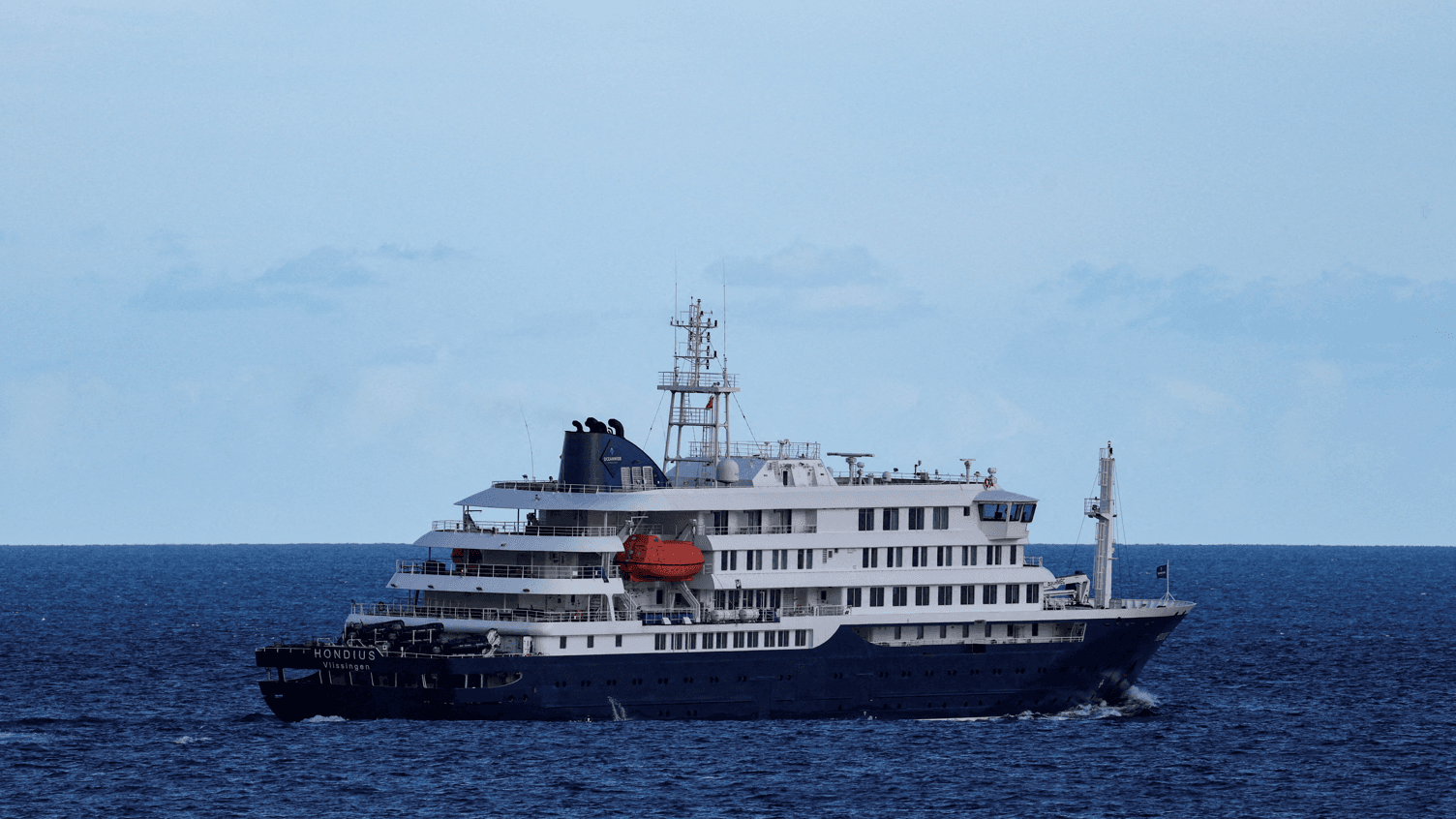
Australians from hantavirus-hit cruise ship arrive home for quarantine
Six Australians and a New Zealander landed in Western Australia and were sent straight to quarantine as officials kept the return flight away from the public.

Australia moved quickly to separate the returnees from the general public after a hantavirus outbreak on the Dutch-flagged cruise ship MV Hondius. Five Australians, one New Zealand resident and one Australian permanent resident arrived in Western Australia on a government-chartered flight and were taken directly to a quarantine facility near Perth for at least three weeks.
Federal Health Minister Mark Butler said the passengers had tested negative and showed no symptoms before they boarded in the Netherlands, but authorities still chose to keep them isolated and test them again. The return flight landed at an Australian air force base before the group was moved on to the Bullsbrook quarantine centre, where staff from the National Critical Care and Trauma Response Centre were set to monitor them.
The decision matches the public-health reality of the outbreak more closely than the headline might suggest. The World Health Organization has assessed the global risk as low, and the U.S. Centers for Disease Control and Prevention has said the danger to the American public remained extremely low. Hantavirus is serious, but Andes virus, the strain involved here, is not easily spread. Unlike most hantaviruses, it can rarely pass from person to person, usually through close and prolonged contact, which is why health officials have treated this as a containment problem rather than a broad community threat.

The WHO said the outbreak was first reported on May 2 and that early illness began between April 6 and April 28. As of May 4, it had identified seven cases, including two laboratory-confirmed infections and five suspected ones, with three deaths. By May 15, the European Centre for Disease Prevention and Control had raised the total to 11 cases, including eight confirmed, two probable and one inconclusive, still with no new cases or deaths since the previous update.
The ship itself carried 147 passengers and crew from 23 nationalities and had sailed from Ushuaia, Argentina, on April 1 before moving through remote waters near Antarctica, South Georgia, Nightingale Island, Tristan da Cunha, Saint Helena and Ascension Island. That route helps explain why tracing and communication have been so difficult: the voyage crossed multiple jurisdictions, and public-health agencies have had to coordinate across borders while the ship was being cleaned and prepared to return to the Netherlands for disinfection.

The WHO recommends a 42-day quarantine period for exposed passengers, reflecting the incubation period of Andes virus. The return of the Australians and their immediate isolation show that Australia is following that precaution closely, but the broader lesson is less reassuring: shipboard outbreaks still expose gaps in rapid tracing, passenger notification and international coordination, especially when a rare virus moves through a crowded vessel far from port.
This article was produced by Prism’s automated news system from verified source data, official records, and press releases, then run through automated quality and moderation checks before publishing. The system is built and supervised by the people who set the standards it runs under. Read our full AI policy.
Did this article answer your question?