Austria convicts ex-intelligence officer in major Russian spying case
Egisto Ott was convicted of spying for Russia, deepening fears that Vienna remains a soft spot for Kremlin operations and sanctions evasion.
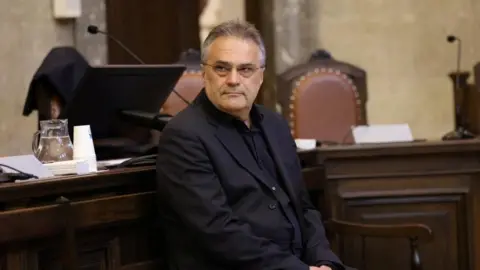
An Austrian court convicted former intelligence officer Egisto Ott of spying for Russia, a ruling that landed in a country long viewed as one of Europe’s easiest places for hostile services to operate. Ott, 63, was found guilty of spying, misuse of office, bribery, aggravated fraud and breach of trust after a 12-day trial that began in January.
The court’s verdict sharpened the damage already done to Austria’s security reputation. Prosecutors said Ott helped Russia hunt down opponents and sold state laptops and phones at the behest of Jan Marsalek, the suspected Moscow agent at the center of a wider espionage scandal. The case is Austria’s biggest spying case since a retired army colonel was convicted in 2020 of spying for Moscow for decades.
Ott had pleaded not guilty and maintained his innocence throughout the trial, but the court imposed a sentence of four years and one month in prison. The result gives fresh force to claims that Russian intelligence has found fertile ground in Austria, where past cases have already exposed vulnerabilities inside the state.
Those vulnerabilities matter far beyond Vienna. Austria is constitutionally neutral, but it is also an EU member and hosts major international organizations in its capital, including UN agencies, the International Atomic Energy Agency, OPEC and the OSCE. That concentration of diplomatic, nuclear, energy and security institutions makes espionage there especially sensitive for Europe and for NATO partners that rely on Austrian cooperation and on the integrity of sanctions enforcement against Moscow.
The verdict also revived scrutiny of how Austria polices its own intelligence sector. The 2018 raid on the domestic intelligence service, known as the BVT, shattered confidence in Austrian counterintelligence and contributed to the agency’s closure. Historical analysis from ACIPSS has said Austria has been an important area of operation since the Cold War, even when it was not a direct target. In practice, that history has made Vienna a place where foreign services can blend diplomatic cover, economic access and political influence with less scrutiny than in harder targets.
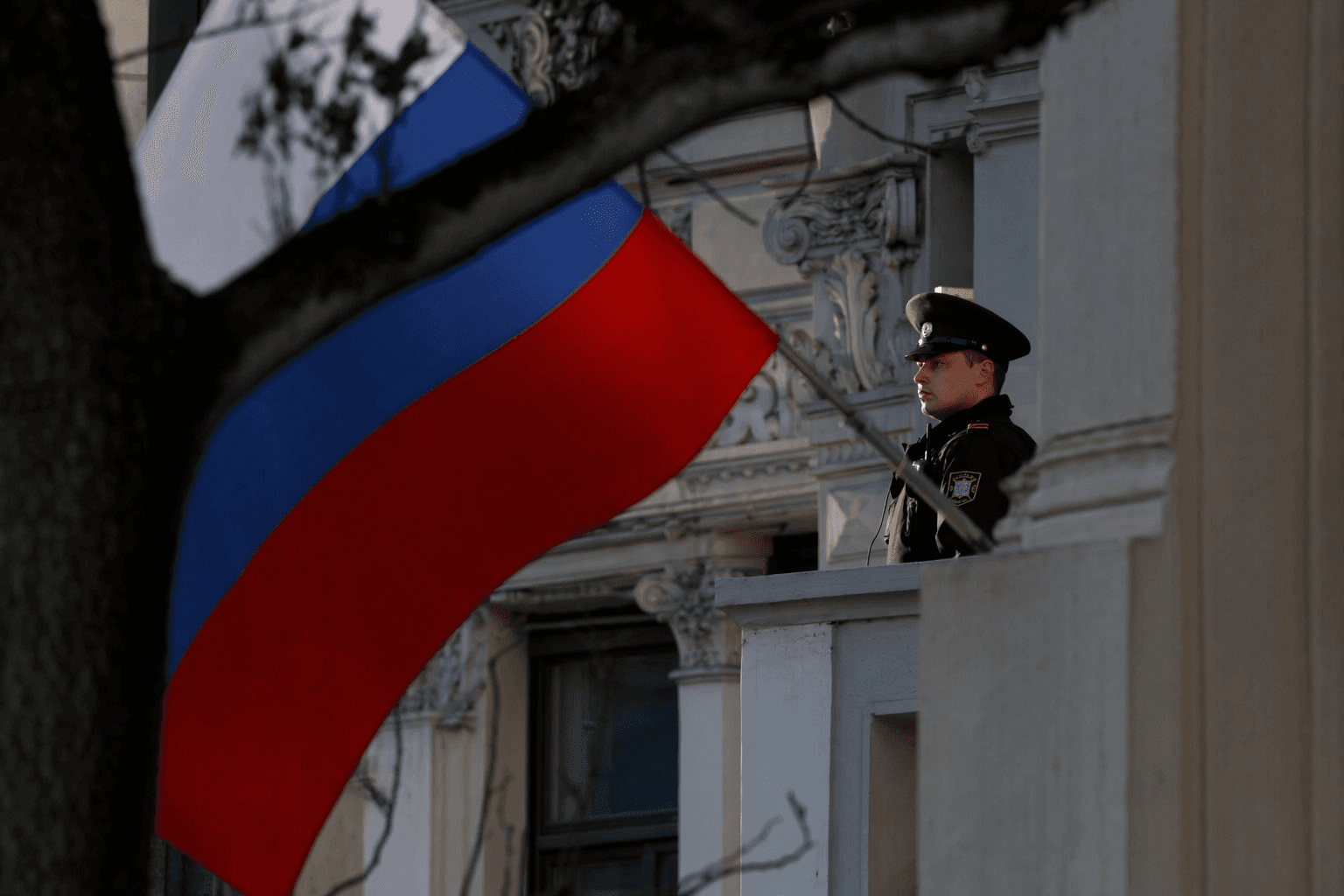
Austria’s government has begun to respond more aggressively. On May 4, authorities expelled three Russian Embassy employees over suspected antenna-based spying from diplomatic buildings in Vienna. Foreign Minister Beate Meinl-Reisinger said the government had “changed course” and would take decisive action, while the Russian Embassy called the move “outrageous.” The government has also proposed tightening espionage law, which now punishes foreign-service spying only when Austrian interests are targeted, and extending protections to international organizations.
For Europe, the message is blunt: a neutral state at the center of the continent can still be a weak point in the security map, and one conviction is unlikely to be the last word on Russian penetration in Austria.
Know something we missed? Have a correction or additional information?
Submit a Tip