Rubio blames Raúl Castro for Cuba's shortages, offers new path
Rubio spoke directly to Cubans in Spanish, blaming Raúl Castro for shortages and pairing a proposed $100 million aid offer with a sharper pressure campaign.
Marco Rubio took the unusual step of speaking directly to Cubans in Spanish, using Cuba’s Independence Day to blame Raúl Castro and the island’s ruling elite for the electricity, food and fuel shortages that have battered daily life.
The message, released Wednesday, May 20, 2026, signaled a dual-track approach from the Trump administration: intensifying pressure on Havana while trying to present an opening to Cubans who are enduring rolling blackouts, fuel scarcities and worsening food shortages. Rubio said the United States was offering a “new relationship” and a “new path” with Cuba, a phrase that framed Washington’s hard line not only as punishment but as leverage.
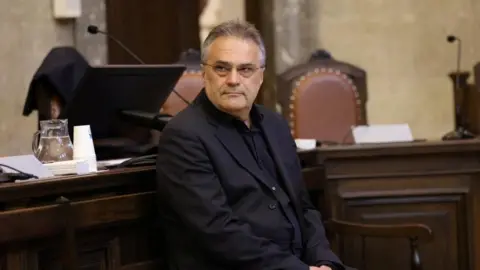
The pitch came as the administration was said to be preparing a major escalation against Cuba’s leadership, with criminal charges against Raúl Castro and five others expected hours later. At the same time, the United States was reportedly proposing $100 million in aid focused on food and medicine, an offer aimed at an island where a major failure of the national energy grid had recently left eastern provinces without electricity.
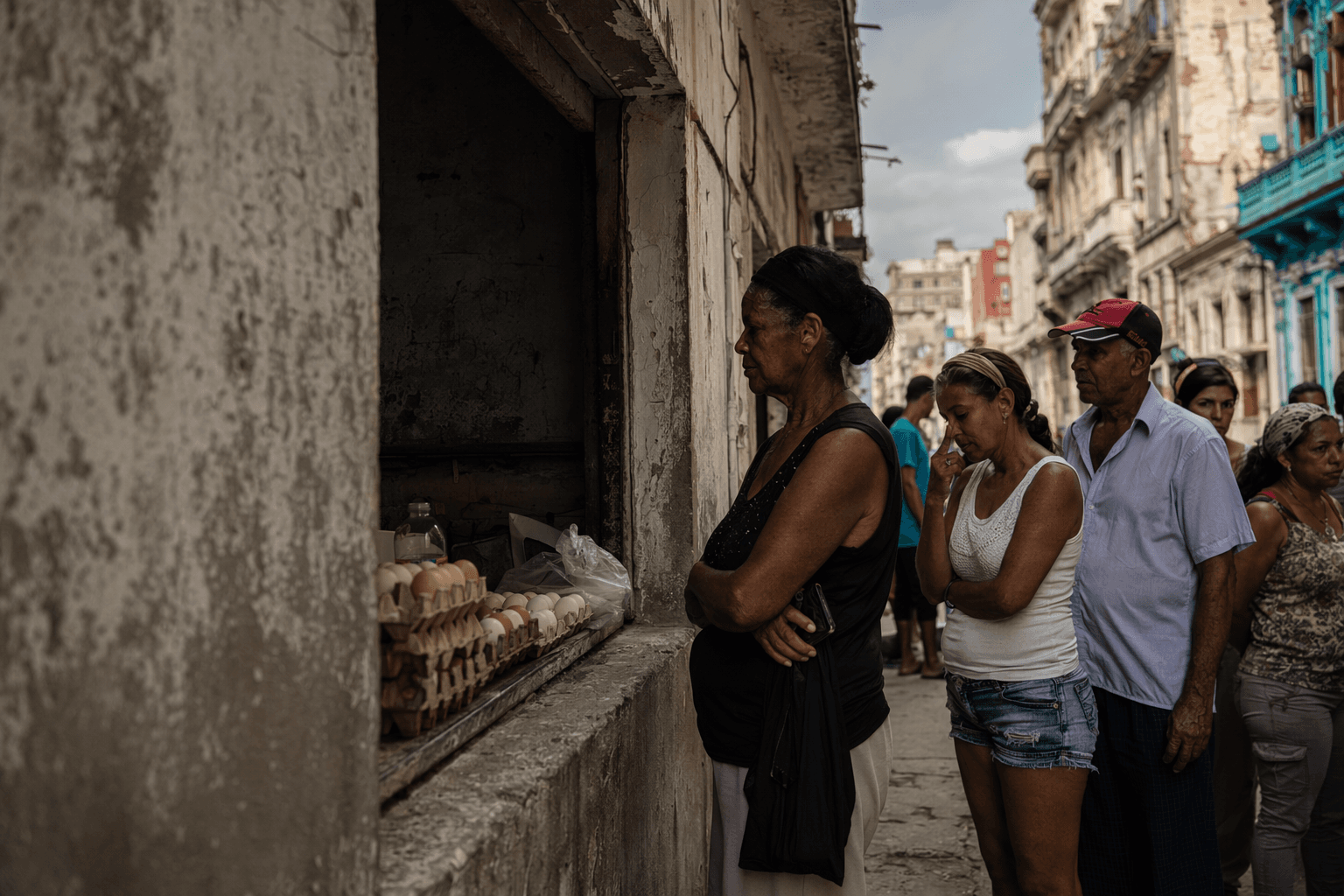
Rubio blamed Cuba’s leaders for the crisis and, in comments relayed elsewhere, singled out the military-run conglomerate GAESA as a central force in the economy. That charge matters because GAESA’s reach extends far beyond business, touching the flow of hard currency, imports and access to basic goods. By putting the blame on the military-linked economy rather than on shortages alone, Rubio was laying out a political argument as much as an economic one: Cuba’s problems are not only the result of scarcity, but of power concentrated inside the state.
The timing also carried a domestic political signal. A direct appeal to Cubans has long been calibrated to resonate in Florida, where Cuban Americans remain deeply divided over whether U.S. aid would help ordinary families or simply fortify the government. Cuban officials had said they were willing to hear the aid proposal but remained skeptical of Washington’s motives, a response that underscored how little trust exists between Havana and Washington even when humanitarian needs are acute.
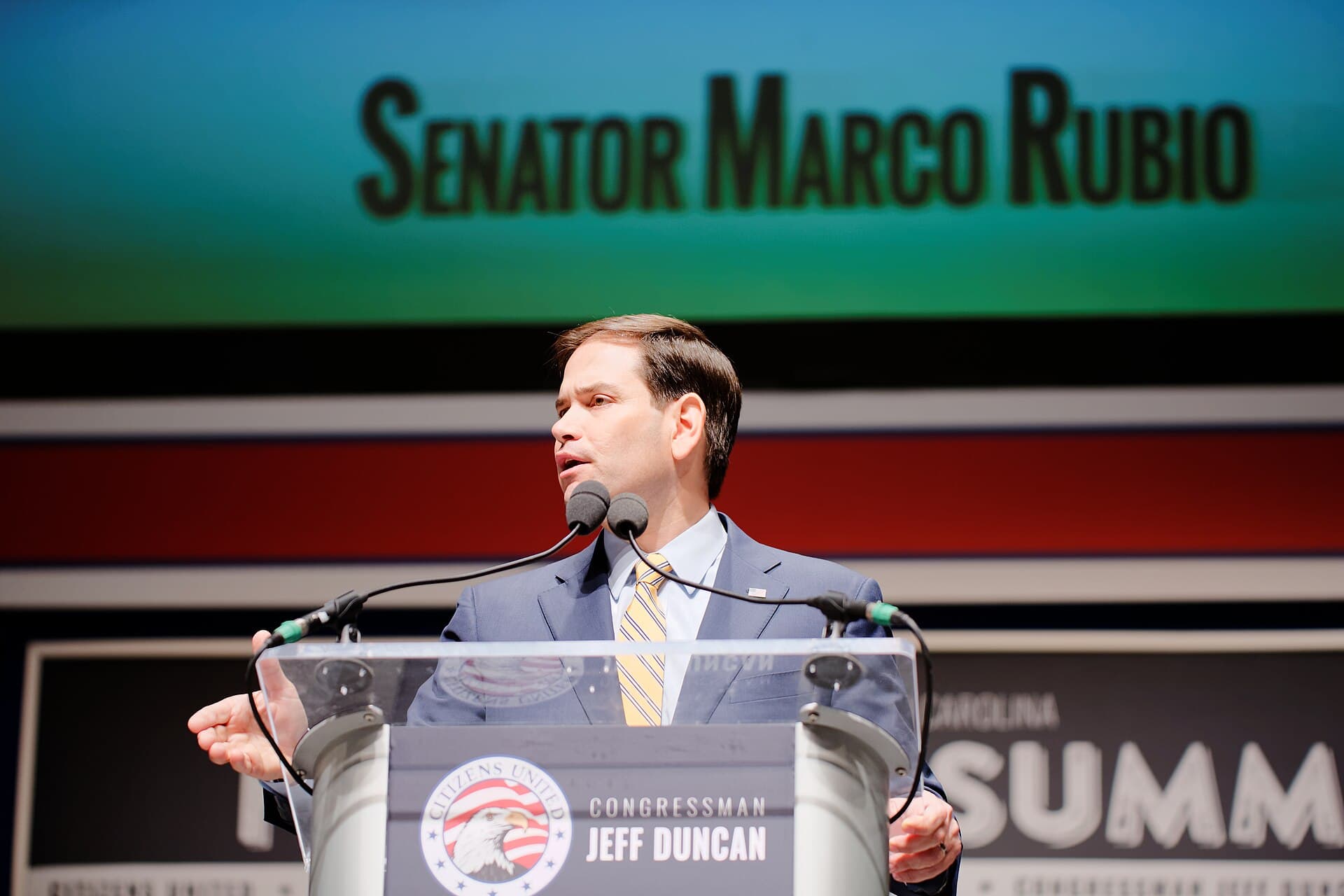
For the Trump administration, the message suggested an effort to split the Cuban public from its rulers while tightening the screws on the people at the top. Whether Cubans hear it as an opening or another pressure tactic may determine how much leverage Rubio’s new path actually creates.
Know something we missed? Have a correction or additional information?
Submit a Tip