Babis warns Taiwan trip could hurt Czech business ties with China
Prague refused a state plane for Senate President Miloš Vystrčil’s Taiwan trip, exposing the pressure between democratic signaling and the pull of Chinese commerce.
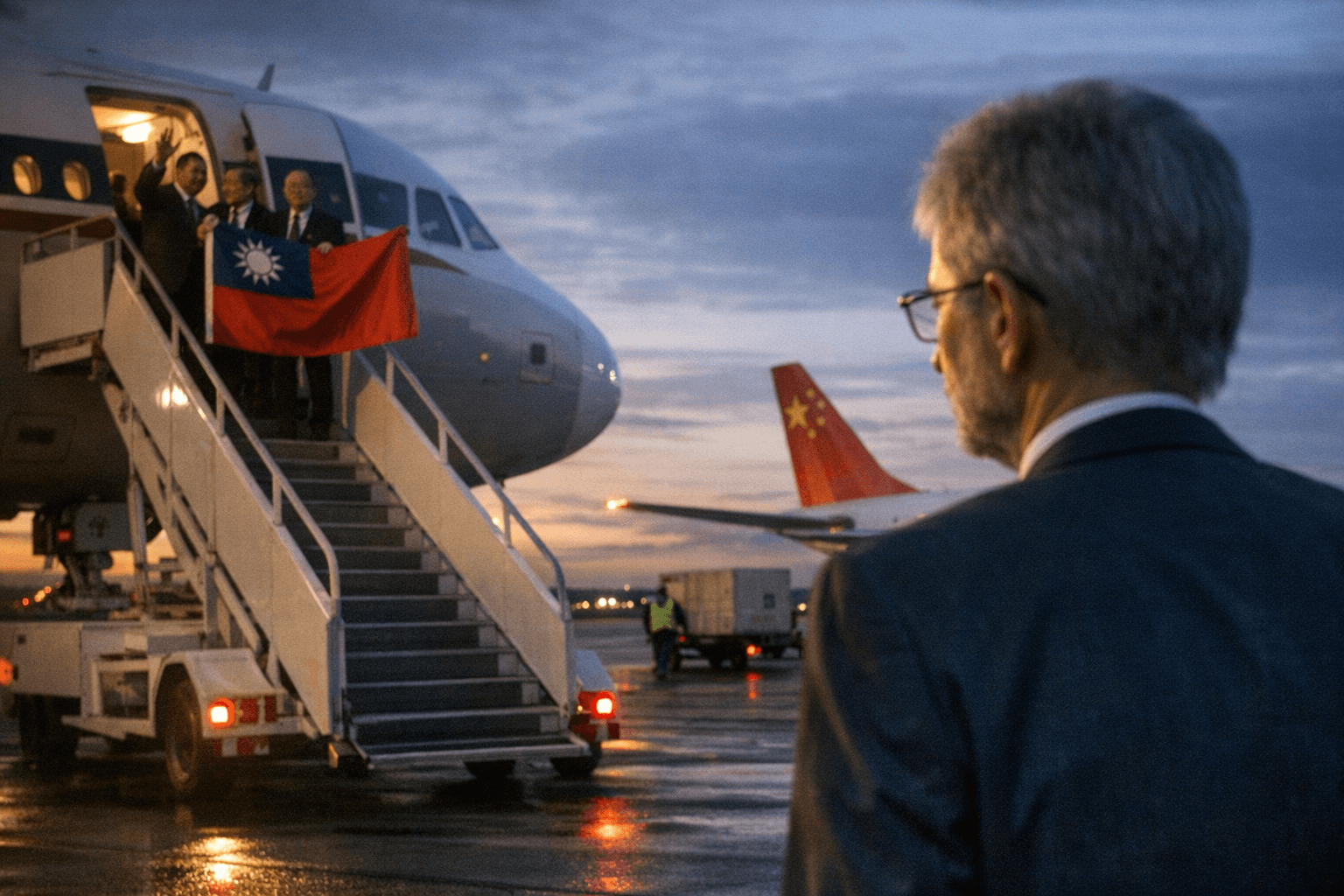
Prime Minister Andrej Babis drew a sharper line on China by refusing to let the Czech state bankroll a Senate leader’s trip to Taiwan, a decision that turned a diplomatic gesture into a test of commercial caution. The government said it would not provide a state aircraft for Senate President Miloš Vystrčil, while leaving him free to travel commercially if he chose.
Babis framed the move as a matter of practical foreign policy. He argued that Prague should avoid unnecessary confrontation with Beijing and should not put business ties at risk over symbolic politics. That position put the Czech government on the side of restraint just as the Senate’s Taiwan plans threatened to reopen a familiar divide in Czech politics.
At the center of the dispute is Beijing’s view that Taiwan is part of its territory, and its longstanding opposition to official or quasi-official foreign visits to the island. The Czech Republic formally recognizes Beijing rather than Taipei, but in recent years it has also developed warmer ties with Taiwan in some sectors, especially among lawmakers and business groups that want more independence from Chinese pressure. The latest clash showed how quickly that balancing act can become a domestic political fight.
The economic warning was aimed less at abstract geopolitics than at Czech exporters and firms that still see China as an important market. Babis signaled that his government wanted to re-center policy on commerce and keep Prague from becoming a source of friction that could spill into trade. The result was a distinctly pragmatic message: support for Taiwan did not need to come through a state aircraft, and the price of a symbolic gesture should not be paid by Czech business.
The episode also fit a wider European pattern. Governments across the continent have been trying to hold a middle position between democratic solidarity with Taiwan and continued access to Chinese markets. In Central Europe, that calculation has become more visible as leaders reassess ties with Beijing and weigh trade opportunities against strategic caution. The Senate leader’s trip could still go ahead, but the dispute made clear that in Europe, Taiwan policy is now as much a business question as a diplomatic one.
This article was produced by Prism’s automated news system from verified source data, official records, and press releases, then run through automated quality and moderation checks before publishing. The system is built and supervised by the people who set the standards it runs under. Read our full AI policy.
Did this article answer your question?


