Baby Saved by Rare Womb Transfusion, Likely UK's Youngest Patient
A 16-week womb transfusion saved Arthur Ransom’s life, and doctors believe he may be the UK’s youngest patient to receive the rare procedure.
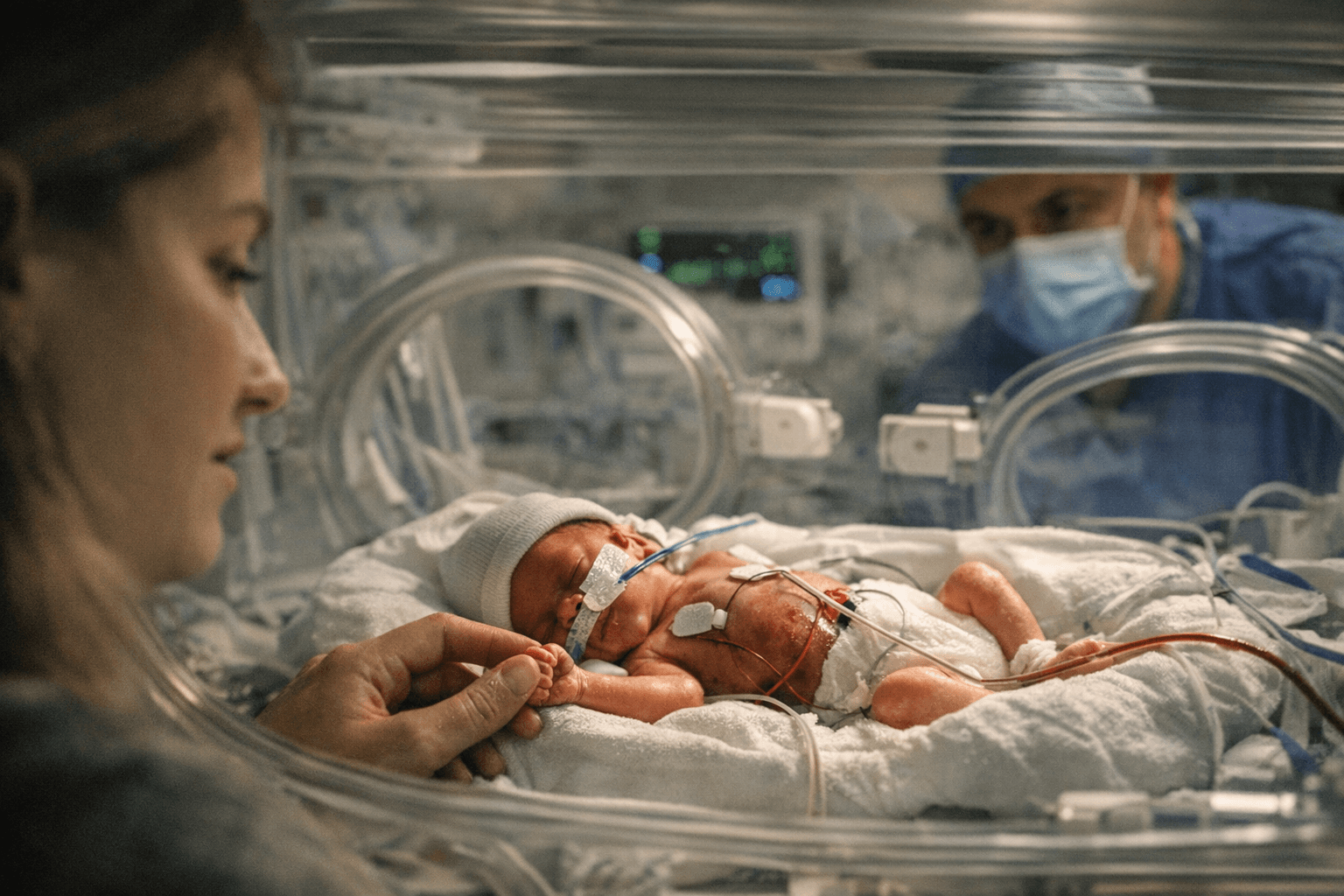
A fetus the size of an avocado received a blood transfusion at just 16 weeks of pregnancy, a rescue procedure that doctors believe made Arthur Ransom one of the youngest patients in the UK to undergo an intrauterine transfusion.
Arthur was treated at St George’s Hospital in London in 2024 after contracting parvovirus, also known as slapped cheek syndrome, while still in the womb. The infection left him severely anaemic and pushed his tiny body toward heart failure, with dangerous fluid building up around his heart and organs.
That timing made the case extraordinary. Intrauterine transfusions are usually reserved for fetuses who are extremely unwell and too early to deliver safely. At 16 weeks, the baby’s immune system is still deeply immature, and parvovirus is especially feared in the first 20 weeks of pregnancy because it can trigger aplastic anaemia, myocarditis and hydrops fetalis, a life-threatening accumulation of fluid.
Doctors said the transfusion delivered oxygen so the fluid could be reabsorbed and the strain on Arthur’s heart could ease. The procedure depends on blood prepared to very specific standards. NHS Blood and Transplant says the donors must be men with type O blood who are Kell negative and cytomegalovirus negative. Their blood is processed into highly concentrated red-cell packs and inserted through a needle under ultrasound guidance.
NHS Blood and Transplant has identified eight donors whose blood has been used most often for this type of treatment, a reminder of how narrow the supply is for the smallest and sickest patients. This is not a routine intervention that any hospital can offer. It requires fetal-medicine expertise, blood-bank precision and the ability to match rare components quickly enough to save a baby before birth.
Arthur was born in January 2025 and is now thriving. His mother, Maisie Ransom, who lives in Cranleigh, Surrey, said he is “a really chirpy little boy” who is meeting all his milestones. She said the ordeal was “absolutely terrifying,” described doctors as working “within millimetres,” and said that without the blood “he would not have made it.” She also said her doctor told her that, to the best of her knowledge, no-one younger had received an intrauterine transfusion.
The case points to both the power and the limits of modern fetal medicine. NHS Blood and Transplant says one donation can save or improve the lives of up to three seriously ill adults or six sick children, and the service says it needs 135,000 new donors a year to meet demand. Arthur’s survival depended on that wider system: a rare specialist procedure, rare donor blood and a health service able to move fast enough for a baby still measured in weeks.
This article was produced by Prism’s automated news system from verified source data, official records, and press releases, then run through automated quality and moderation checks before publishing. The system is built and supervised by the people who set the standards it runs under. Read our full AI policy.
Did this article answer your question?