Babylist Editors Track 2026 Baby Product Recalls and Safety Alerts
Babylist editors are maintaining a live 2026 roundup of baby product recalls so parents and gift-buyers don't have to chase down safety alerts themselves.
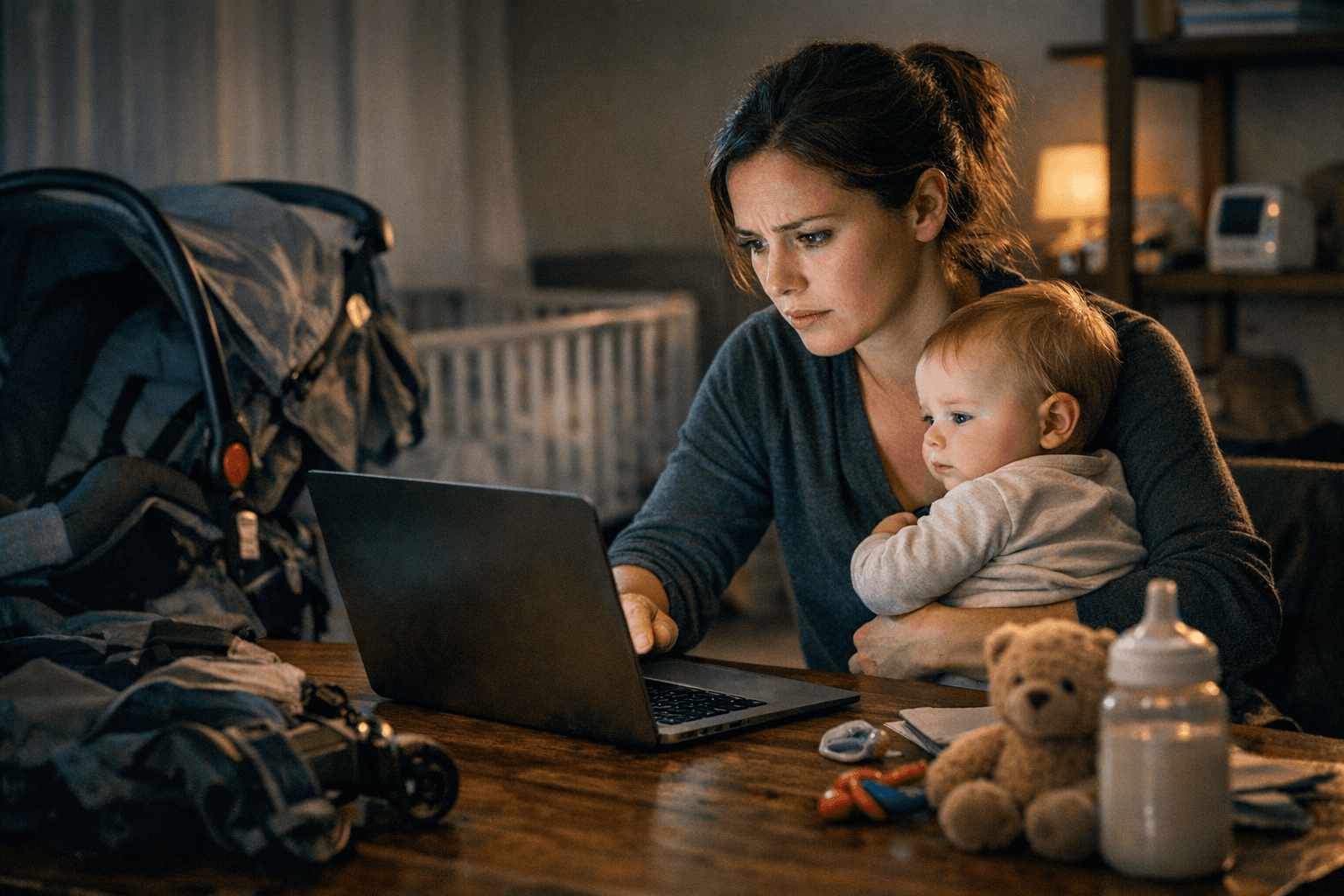
Keeping up with baby product recalls is one of those tasks that feels manageable until it isn't. A bouncer gets flagged, a swaddle blanket pulls from shelves, a monitor cord becomes a strangulation hazard — and unless you're actively monitoring the Consumer Product Safety Commission's database or have a reliable aggregator bookmarked, you can easily miss something sitting in your nursery right now. That's the gap Babylist editors have set out to close with their rolling 2026 recall and safety alert roundup.
What Babylist is actually doing here
The Babylist team, made up of product and parenting writers who spend their professional lives evaluating baby gear, has built a consolidated, continuously updated list of major baby-product recalls and safety alerts issued in 2026. Rather than making parents hunt across multiple agency databases or manufacturer websites, the roundup pulls that information into one place. The intent is practical: if you're a parent, a caregiver, a registry manager helping expectant friends navigate gear choices, or a gift-buyer who wants to make sure what you're ordering is still considered safe, you have a single destination to check.
This kind of curation matters more than it might initially seem. Official recall databases are thorough but not exactly user-friendly — they're designed for compliance and record-keeping, not for a parent who has 20 minutes between naps to figure out whether their infant rocker is on any watchlist. Babylist's approach brings editorial judgment to a process that's usually bureaucratic.
Why a rolling update model is the right call
Baby product recalls don't cluster neatly at the start of a year. They happen when something goes wrong, when enough incident reports accumulate to trigger a CPSC investigation, or when a manufacturer identifies a defect in post-market testing. A static annual list published in January and never touched again would be outdated within weeks.
The rolling format means the Babylist roundup reflects the actual safety landscape as it develops through 2026. An alert issued in March gets added in March. A recall that expands to include additional product SKUs or lot numbers gets updated to reflect that. For anyone who's ever found out about a recall months after the fact, this kind of real-time maintenance is the difference between catching a problem early and discovering it too late.
Who needs this resource and how to use it
The audience Babylist is explicitly serving breaks into a few distinct groups, each with slightly different needs.
Parents and caregivers with young children are the most obvious users. If you've got a newborn or infant at home, the gear you're using right now could be affected by a 2026 recall you haven't heard about. Checking the roundup when you have a few minutes, and bookmarking it to revisit periodically, is a straightforward safety habit.
Registry managers — whether that's a Babylist registry holder or someone managing a registry on any platform — have a particular responsibility here. Recommending a product that has since been recalled, or that is the subject of an active safety alert, is the kind of mistake that's easy to avoid if you're checking a resource like this before adding items or sharing your list with gift-buyers.
Gift-buyers, including family members and friends shopping for baby showers, are often the least informed about product safety because they're furthest from the day-to-day parenting information ecosystem. A consolidated resource that a gift-buyer can actually find and navigate closes an important loop in the chain.
The broader context of baby product safety in 2026
The baby product industry has seen meaningful regulatory attention in recent years, with the CPSC tightening standards around infant sleep products in particular following well-documented incidents involving inclined sleepers and infant loungers. The ripple effects of those regulatory shifts are still playing out, and 2026 is likely to see continued scrutiny of products in the sleep, feeding, and mobility categories.
Babylist editors are positioned to translate that regulatory environment into practical guidance. They know which product categories have historically generated the most recalls, which manufacturers have had repeat issues, and how to read the difference between a minor advisory and a serious safety alert requiring immediate action. That editorial context is what makes a curated roundup more useful than a raw database pull.
What to do if something you own is recalled
If you find a product you own on the Babylist roundup or any official recall list, the process is fairly consistent across manufacturers:
1. Stop using the product immediately, even if no incident has occurred with your specific unit.
2. Check the recall notice for the specific remedy being offered — this is usually a refund, a free replacement part, or a product repair kit.
3. Contact the manufacturer directly using the information in the recall notice; don't rely on a retailer to initiate the process for you.
4. If you received the product as a gift and don't have a receipt, most manufacturers will still honor the recall remedy with proof of the product (a photo of the model number or lot code is usually sufficient).
5. Check whether the product appears on your Babylist registry or has been shared with gift-buyers who may have purchased additional units as backup gifts.
The Babylist roundup functions as a starting point, but confirmed recalls are official CPSC actions, and the CPSC's recall database and manufacturer notices are always the authoritative source for specific remedy instructions and affected lot numbers.
Staying ahead of the problem
The most useful thing about the Babylist recall roundup isn't that it exists — it's that it's maintained. Baby product safety is not a set-it-and-forget-it category. Gear gets handed down between families, bought secondhand at consignment sales, and gifted by well-meaning relatives who found something in good condition at a garage sale. A product recalled in 2023 can easily end up in a 2026 nursery if nobody in the chain knew to look.
Making a habit of checking a resource like this, particularly at transition points like when a new baby arrives, when you're setting up a registry, or when you're accepting secondhand gear, is the kind of low-effort, high-value safety practice that the Babylist editors are clearly trying to make easier. The fact that they're keeping it current through the year, rather than publishing once and walking away, is what makes it genuinely worth bookmarking.
Sources:
Know something we missed? Have a correction or additional information?
Submit a Tip