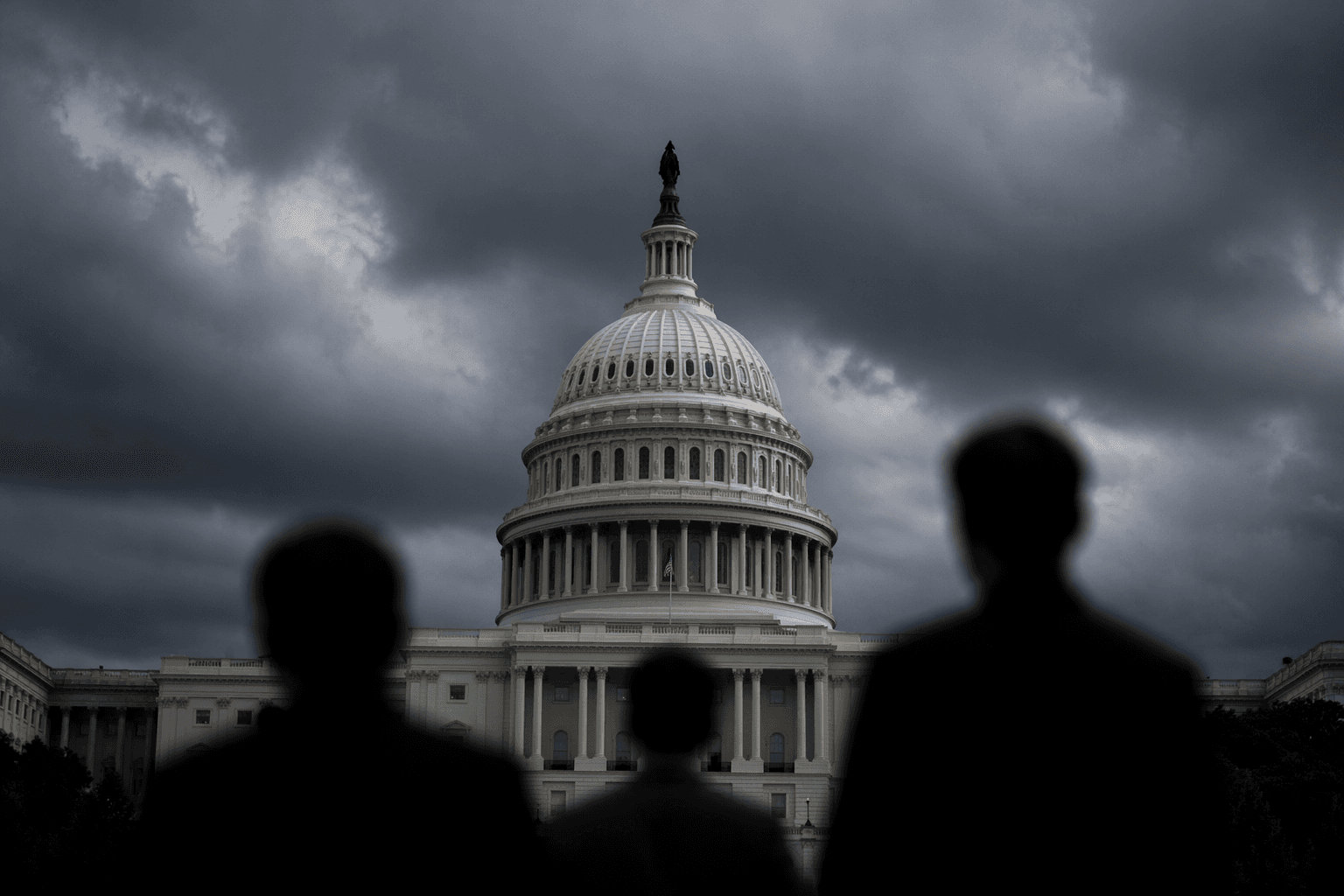
Backlash to same-sex marriage resurfaces as GOP support wanes
The same-sex marriage fight is back inside the GOP, but the data point to a factional struggle more than a broad public reversal. Ten years after Obergefell, Republicans remain divided.
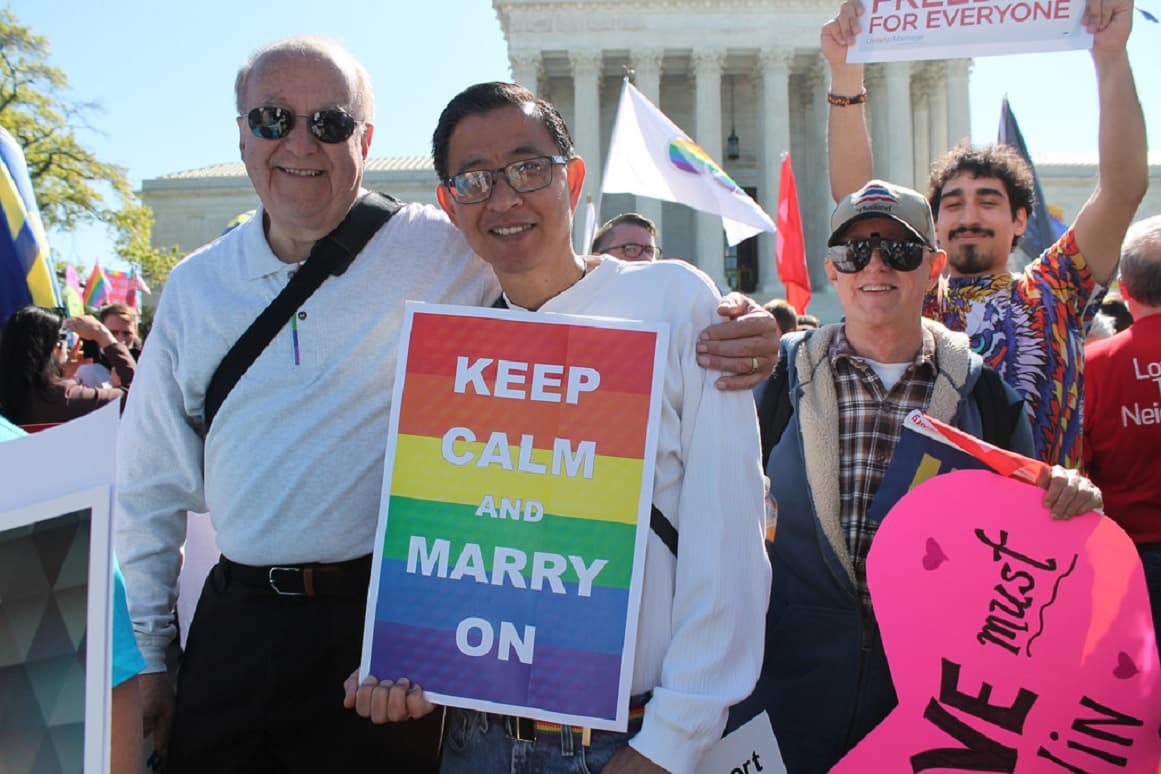
The push to reopen same-sex marriage has returned at a politically sensitive moment, but the numbers still show a country that has moved far faster than the Republican Party. June 26, 2025 marked 10 years since Obergefell v. Hodges legalized same-sex marriage nationwide, and public support remains solid even as conservative activists keep testing the issue as a cultural marker.
The public has moved, but Republicans have moved the other way
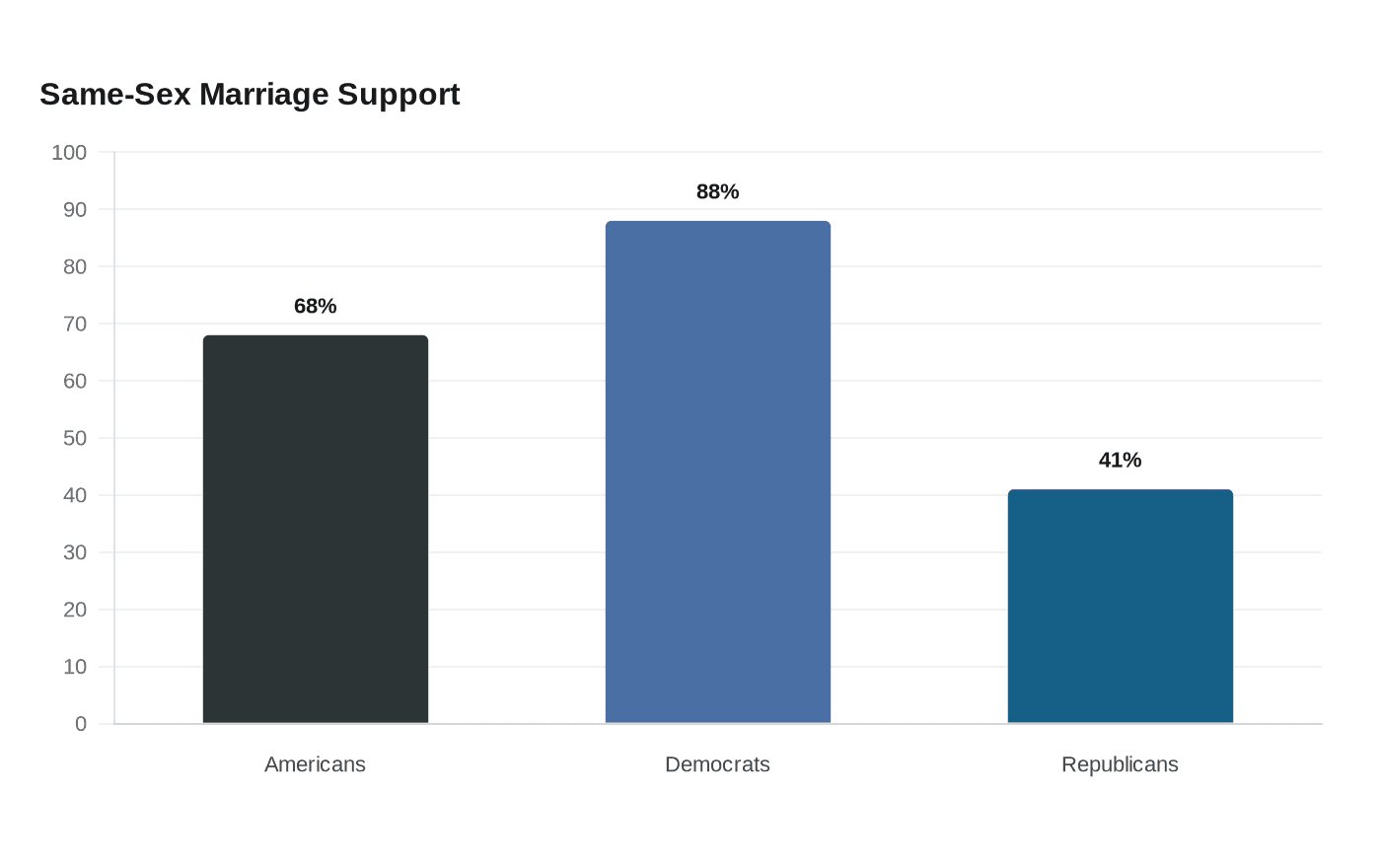
Gallup’s May 2025 polling found 68% of Americans support same-sex marriage, while Democrats were at 88% and Republicans had fallen to 41%, down 14 points since 2022. In the same Gallup measure, just 38% of Republicans said gay or lesbian relations are morally acceptable, the lowest level for that group since 2012. That gap is not a small partisan drift; it is the largest Republican-Democratic split Gallup has recorded on the issue in 29 years.
The longer arc is even more striking. Pew Research Center’s 2004 numbers showed only 31% of Americans supported same-sex marriage while 60% opposed it, a reminder that the national consensus now taken for granted was once a minority position. The new wrinkle is that Republican opposition no longer looks monolithic: a June 2025 survey found 56% of Republicans said same-sex couples should have the right to marry, but support dropped to 40% when respondents were offered a neutral option, exposing how much of the party’s apparent resistance is softer than it first appears.
The Southern Baptist push is loud, but mostly symbolic
The sharpest organized backlash came in Dallas at the Southern Baptist Convention’s 2025 annual meeting, held June 10 to 11, where the gathering drew more than 10,000 church representatives. Delegates overwhelmingly backed a resolution titled “On Restoring Moral Clarity through God’s Design for Gender, Marriage, and the Family,” which defined marriage as a lifelong covenant between one man and one woman and called for laws and court rulings, including Obergefell, to be overturned.
That matters politically, but it also has limits. Southern Baptist resolutions are expressions of opinion, not directives that bind churches or institutions, so the Dallas vote functioned first as a declaration of doctrine and second as a message to Republican politicians and judges. The denomination is also operating from a weaker position than it once did, with outside observers noting its long-running membership decline and internal conflict over culture-war issues, which makes the marriage vote look as much like identity maintenance as legislative strategy.
Why the fight is resurfacing now
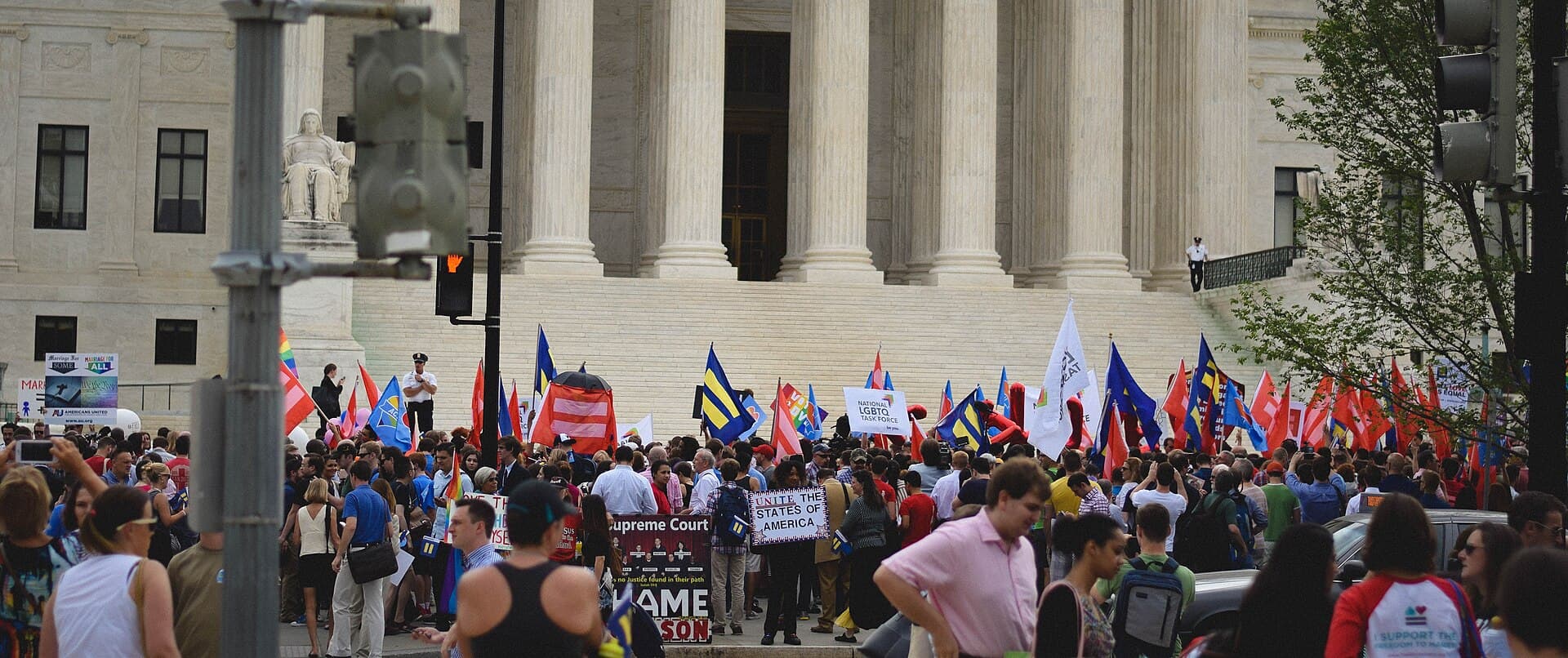
The timing is not accidental. A decade after Obergefell, same-sex marriage is still broadly popular nationally, but it is increasingly useful to activists who want a clean test of whether the conservative legal project can be revived after the Supreme Court’s 2022 Dobbs decision returned abortion authority to the states and renewed fears among LGBTQ advocates that other substantive-rights precedents could be vulnerable. For that reason, same-sex marriage has become less a mass persuasion issue than a signal about where the right’s most committed flank wants the party to go next.
The June 2025 Republican poll helps explain the strategy. When 56% of Republicans initially said same-sex couples should have the right to marry, that looked like a party still capable of accommodating the issue. But once the survey introduced a neutral option, support dropped to 40% and a notable share moved off the yes-or-no line, which is exactly the kind of ambivalence that keeps a symbolic fight alive without producing a durable governing majority.
Kim Davis kept the precedent in play, briefly
The legal edge of the backlash resurfaced in November 2025 when the Supreme Court declined to hear Kim Davis’s appeal. Davis, the former Kentucky county clerk who refused to issue marriage licenses to same-sex couples after Obergefell, had sought to reopen the precedent and escape the damages award tied to her refusal. The Court’s denial left Obergefell intact, but the case showed that same-sex marriage still has an active litigation lane even after the broader public moved on.
That is why the current backlash reads less like a national repeal effort than a coalition stress test inside the GOP. The party’s elected officials have little incentive to foreground a policy that polls weakly with the public and inconsistently even among Republicans, but activists, denominational leaders, and legal crusaders can still use it to draw boundaries around who counts as sufficiently conservative. As long as that tension lasts, same-sex marriage will keep reappearing not as settled law, but as a purity test for the next intraparty fight.
This article was produced by Prism’s automated news system from verified source data, official records, and press releases, then run through automated quality and moderation checks before publishing. The system is built and supervised by the people who set the standards it runs under. Read our full AI policy.
Know something we missed? Have a correction or additional information?
Submit a Tip