Baker City moves to streamline development process for 2026
Baker City issued updates to its development code, fees, and permitting tools and is asking residents, contractors, and developers for feedback. These changes aim to speed permits and lower connection costs.
Baker City on Jan. 13 issued a public release outlining a package of changes designed to simplify permitting, reduce costs for some projects, and speed application handling as the city prepares for 2026. The city is also asking residents, contractors, and developers to provide feedback through a short survey linked by a QR code on an attached flyer.
City officials said the effort covers a broad range of projects. “Development” includes projects such as additions to existing structures, new outbuildings or Accessory dwelling units (ADU’s), new homes, new businesses, and other construction or land-use activities. The release lists three tracks of work already underway: updates to the development code, a review of development fees, and changes to application processing.
On the code front, staff have drafted new language to bring local rules into alignment with recent Oregon requirements and to support housing production. The city said another update is being prepared to increase flexibility for housing developments - the release cited examples such as rolled curbs - and to clarify confusing sections and remove unnecessary barriers that can add time and cost to projects.
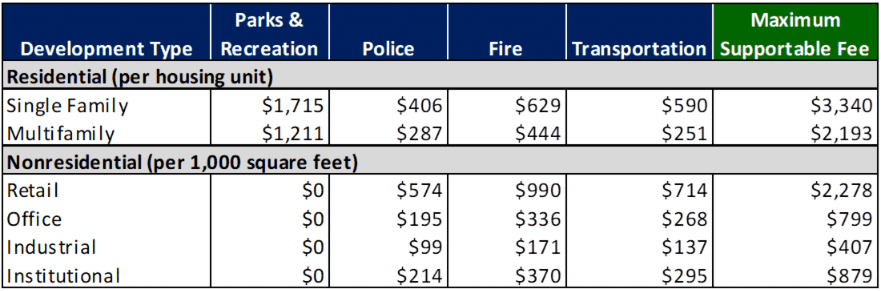
The fee review aims to modernize ordinances that govern development-related charges. City research will feed ordinance updates over the next few months intended to simplify guidance and reduce water and sewer connection fees in existing neighborhoods. For new housing in undeveloped areas, the city plans to offer developers more options for required street and utility improvements, a change intended to contain upfront infrastructure costs for larger subdivisions.

Baker City is also deploying new technology to speed reviews. The planning department has partnered with an AI service to process planning applications more efficiently and accurately. “Our goal: Most applications reviewed within 7–10 business days.” The technology rollout will support an online application system, an online payment portal, and a developer tool to flag items that require conditional use permits or fall outside the development code.
A full process review of how planning and building applications move through city systems is scheduled before Spring 2026, with the explicit goal of streamlining each step. For residents and contractors who have struggled with permitting timelines or unclear requirements, the planned changes could mean faster decisions, lower hookup costs in established neighborhoods, and clearer early guidance for project design.
Baker City wants direct input as it finalizes these changes. Residents, builders, and developers can use the QR code on the city's flyer to complete a roughly five-minute survey. The city’s review process continues into spring and beyond, and the feedback collected now will help shape the practical details of fee reductions, code clarifications, and digital tools that will affect local projects throughout 2026.
Sources:
Know something we missed? Have a correction or additional information?
Submit a Tip