Bank of England holds rates at 3.75%, watches Middle East fallout
The Bank of England left rates at 3.75% as Middle East energy shocks threatened to push inflation above 6% in a worst-case scenario.
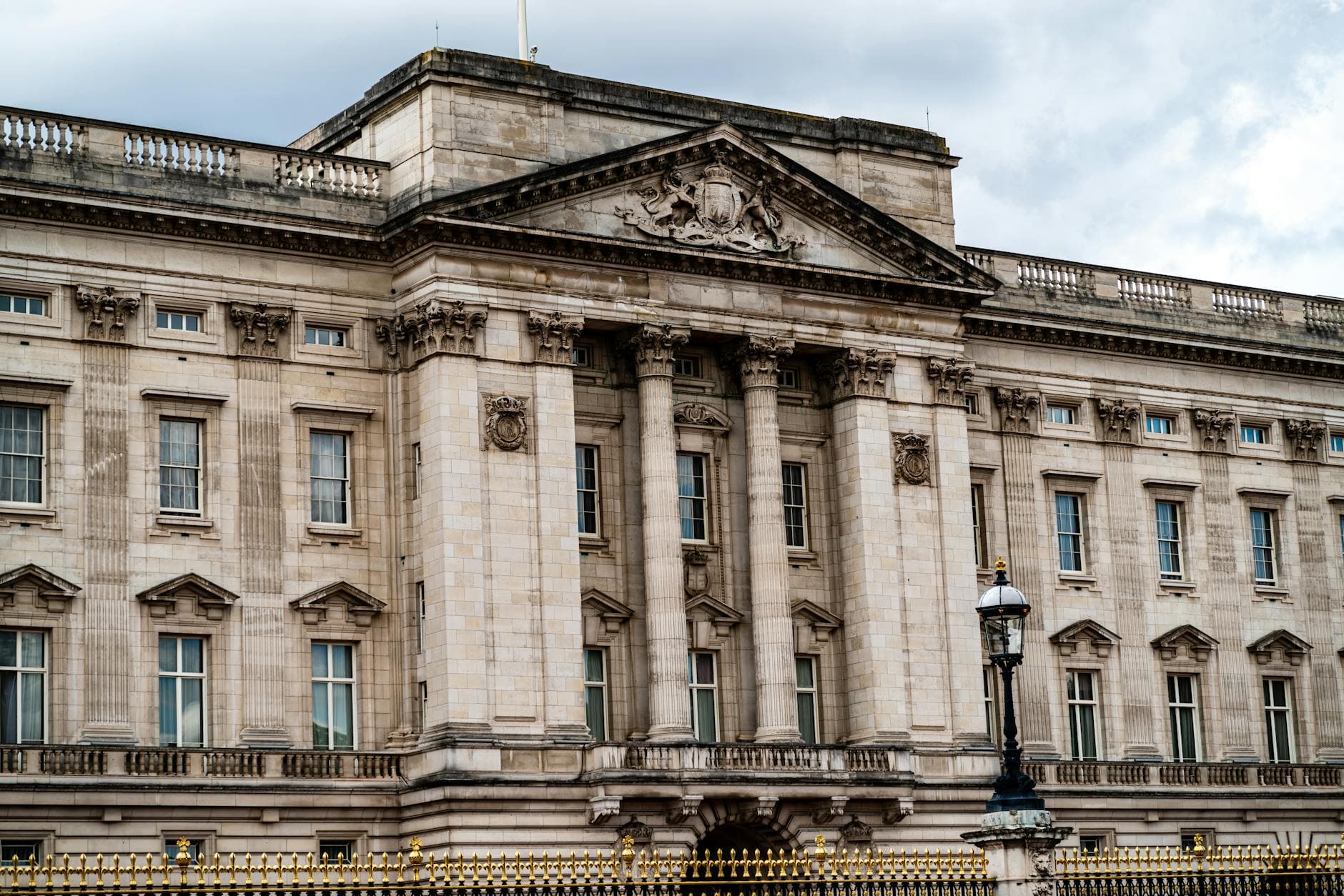
The Bank of England held interest rates at 3.75% and warned that the Middle East conflict had made global energy prices highly uncertain, a reminder that a war far beyond Britain is still feeding directly into household budgets, borrowing costs and inflation expectations. With fuel and power costs already moving higher, the central bank said it had to keep policy tight enough to stop the shock from spreading through the wider economy.
The Monetary Policy Committee voted 8-1 at its meeting ending 29 April 2026 to keep Bank Rate unchanged. One member, widely identified as Huw Pill, called for a quarter-point increase to 4%, a split that underlined the Bank’s unease about how long the inflationary pressure from energy could last. The Bank said monetary policy cannot directly influence energy prices, but it can shape the scale of the economic adjustment and keep inflation on track to return to its 2% target sustainably.
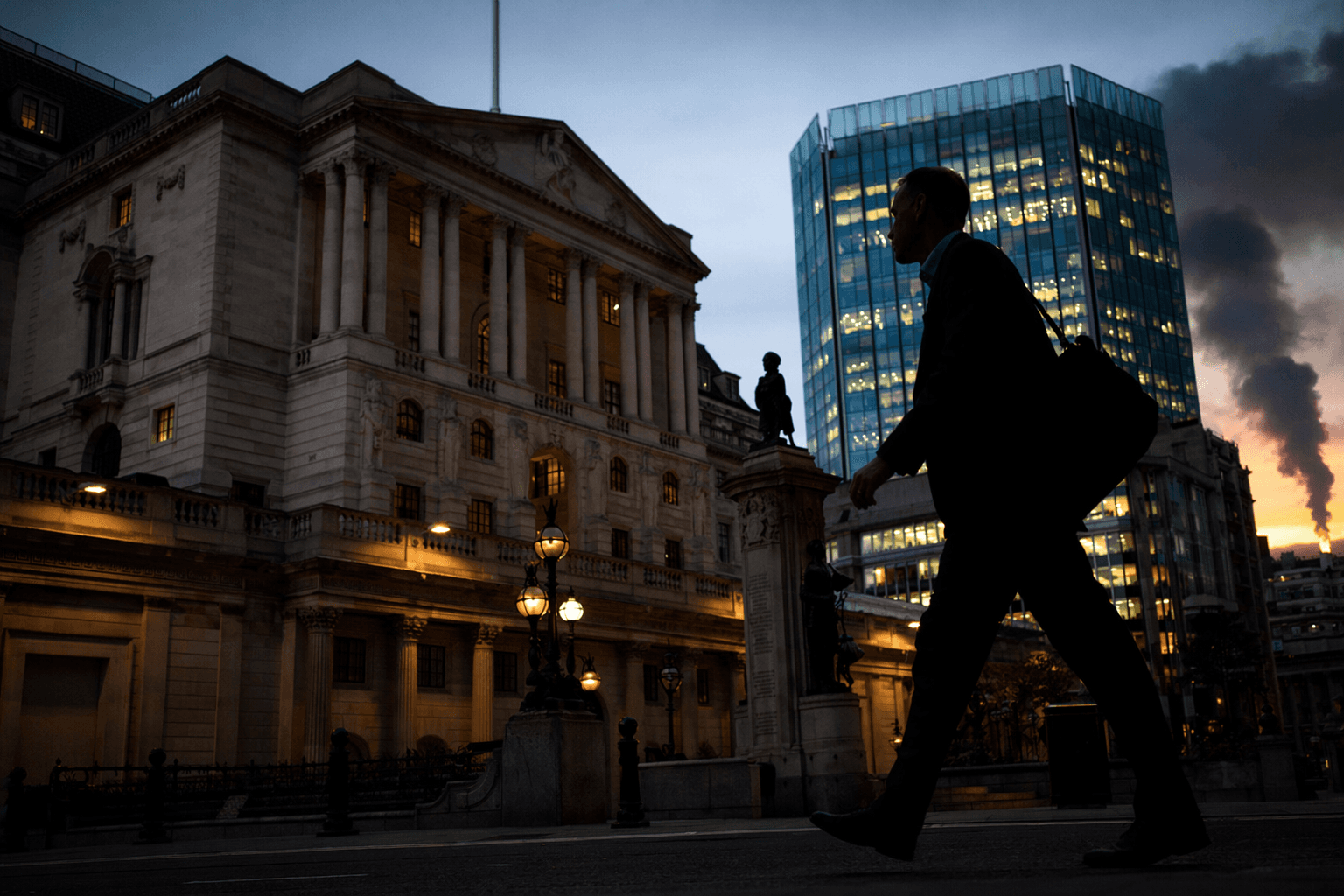
That challenge is sharper because inflation is already moving the wrong way. Consumer prices rose 3.3%, and the Bank said inflation was likely to climb higher later in the year as the cost of energy worked through the economy. In its April 2026 Monetary Policy Report, the Bank set out three scenarios to capture the uncertainty around the conflict and the path of oil and gas prices. In scenarios A and B, inflation rises to a little over 3.5% by the end of the year before easing back, but the worst case is far more severe.
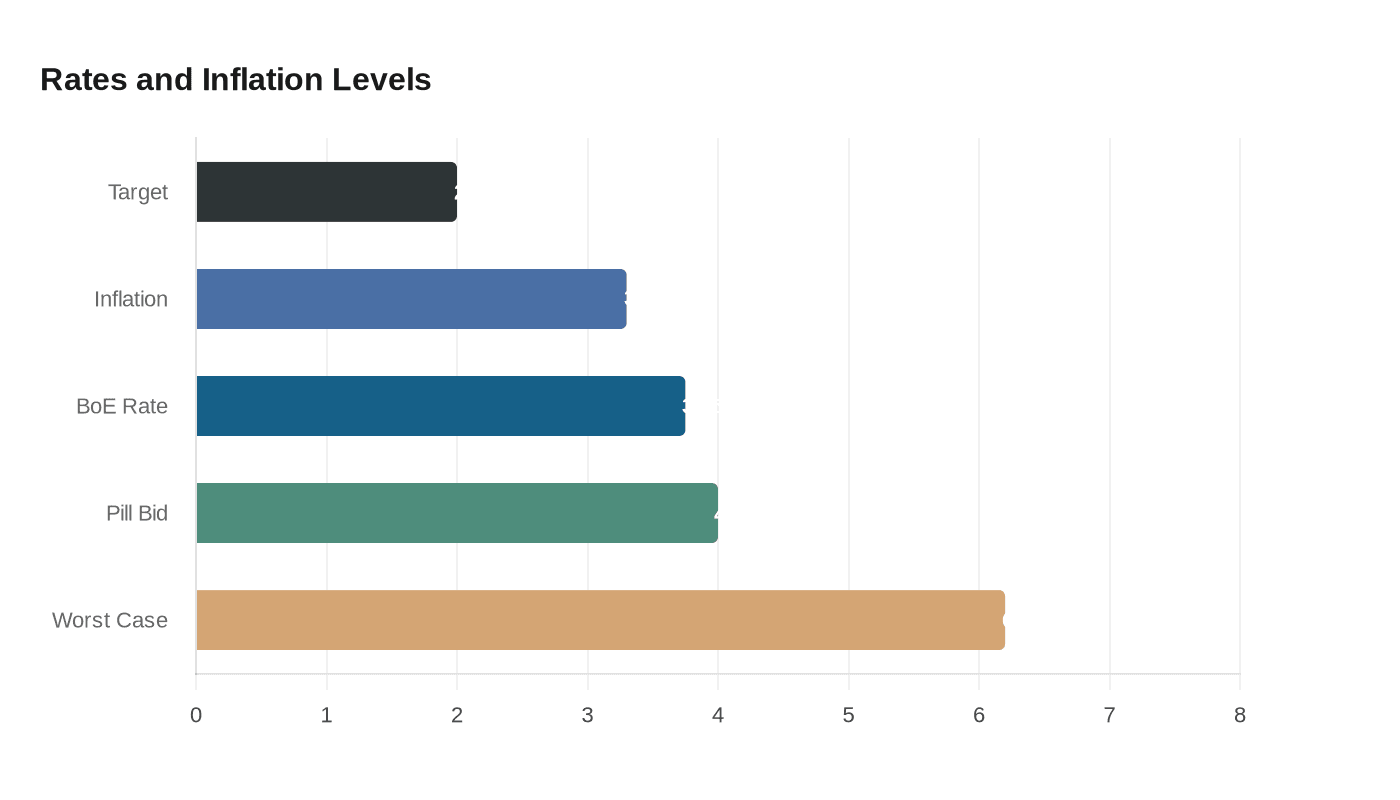
Reuters-based reporting said that if oil and gas prices stay elevated for longer, UK inflation could reach as much as 6.2% in early 2027, a level that would keep pressure on the Bank to stay restrictive for much longer. The Bank also warned about second-round effects, where higher energy bills start to shape wage demands and price-setting across the economy, making the original shock harder to contain. At the same time, it noted that the labour market continues to loosen and a weaker economy could help damp inflationary forces.
For borrowers, the message was clear: 3.75% is not a pause on the way down. It is a warning shot. Mortgage rates, business borrowing costs and credit conditions are likely to stay elevated while the Bank watches whether the Middle East shock fades or hardens into a broader inflation problem. Financial conditions have already tightened since the conflict began, which the Bank said should help cool prices over time, but the next decision on 18 June 2026 will show whether that is enough to avoid a longer squeeze on households.
This article was produced by Prism’s automated news system from verified source data, official records, and press releases, then run through automated quality and moderation checks before publishing. The system is built and supervised by the people who set the standards it runs under. Read our full AI policy.
Did this article answer your question?

%3Amax_bytes(150000)%3Astrip_icc()%2FCertificate-of-deposit-2301f2164ceb4e91b100cb92aa6f868a.jpg&w=1920&q=75)
