China Sends Large Yttrium Oxide Shipment to U.S., Easing Supply Strains
A 60-ton yttrium oxide shipment from China briefly eased a rare earth squeeze, but U.S. aerospace and chipmakers still faced a market shaped by Beijing’s export controls.
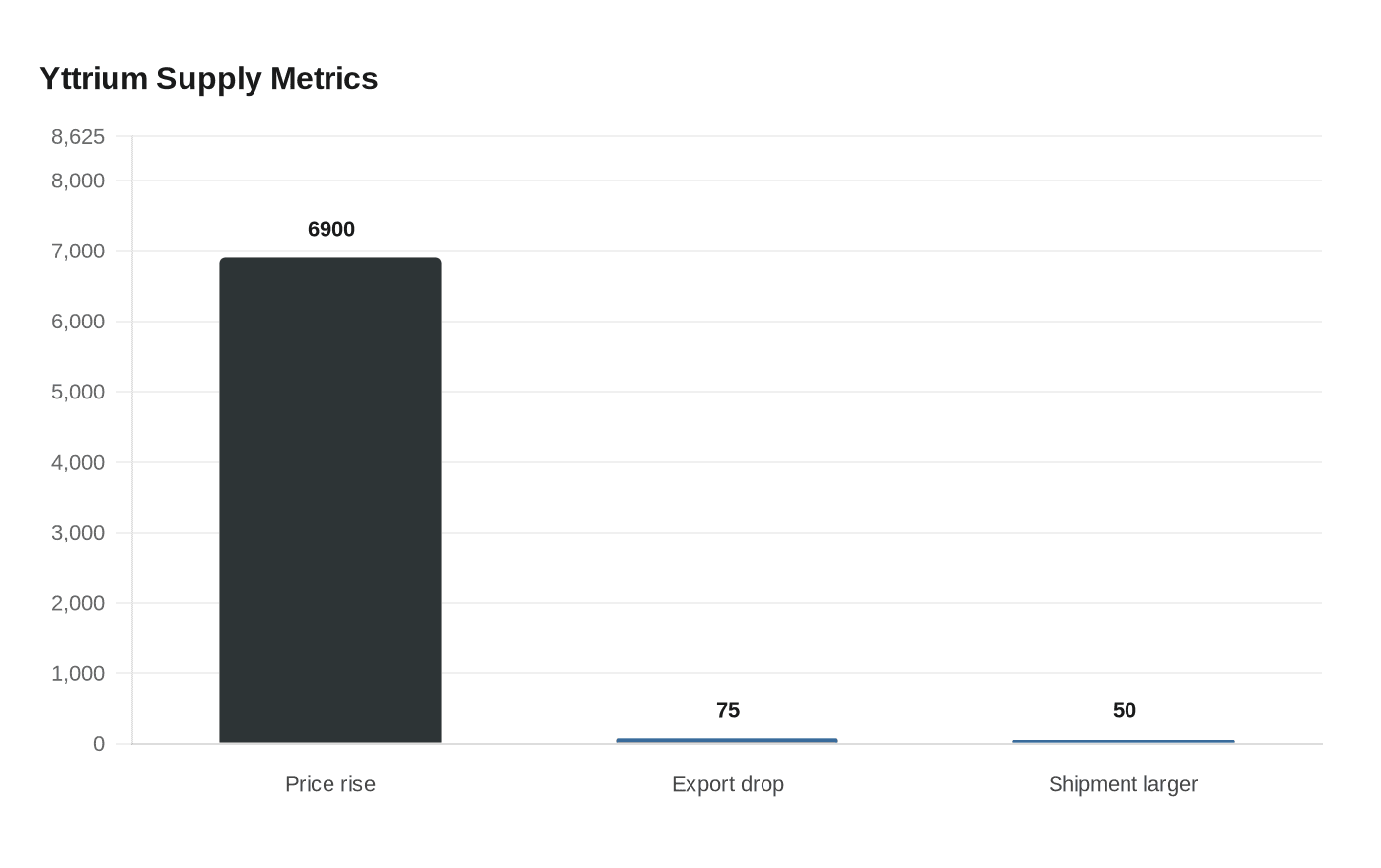
A 60-ton shipment of yttrium oxide from China to the United States in March offered a temporary release valve for aerospace and chipmaking supply chains that had been squeezed for months. The cargo was 50% larger than all the yttrium shipped to the U.S. since China imposed export controls last April, a sign that even a single large delivery can move a market that has become unnaturally tight.
Yttrium oxide matters far beyond niche industrial chemistry. It is used in coatings that protect jet engines and power-station turbines from extremely high temperatures, making it a strategic input for advanced manufacturing, energy infrastructure and defense-linked production. The shortage had already rippled through the market: prices rose 6,900% through February, and exports from China to the U.S. over the past 12 months were still down 75% from a year earlier. That gap shows how fragile the supply chain remained, with access depending more on political approval than on normal commercial trade.

The strain had already reached factories. Suppliers to U.S. aerospace and semiconductor companies were facing worsening shortages, and some coatings manufacturers were rationing material or turning away customers. The Aerospace Industries Association said yttrium was essential to the world’s most advanced jet engines and said it was working with Washington to expand domestic supply. For manufacturers, the March shipment may lower the risk of immediate shutdowns, but it did not restore a healthy market. It suggested that relief could be tactical, not structural, if additional licenses continue to be issued.
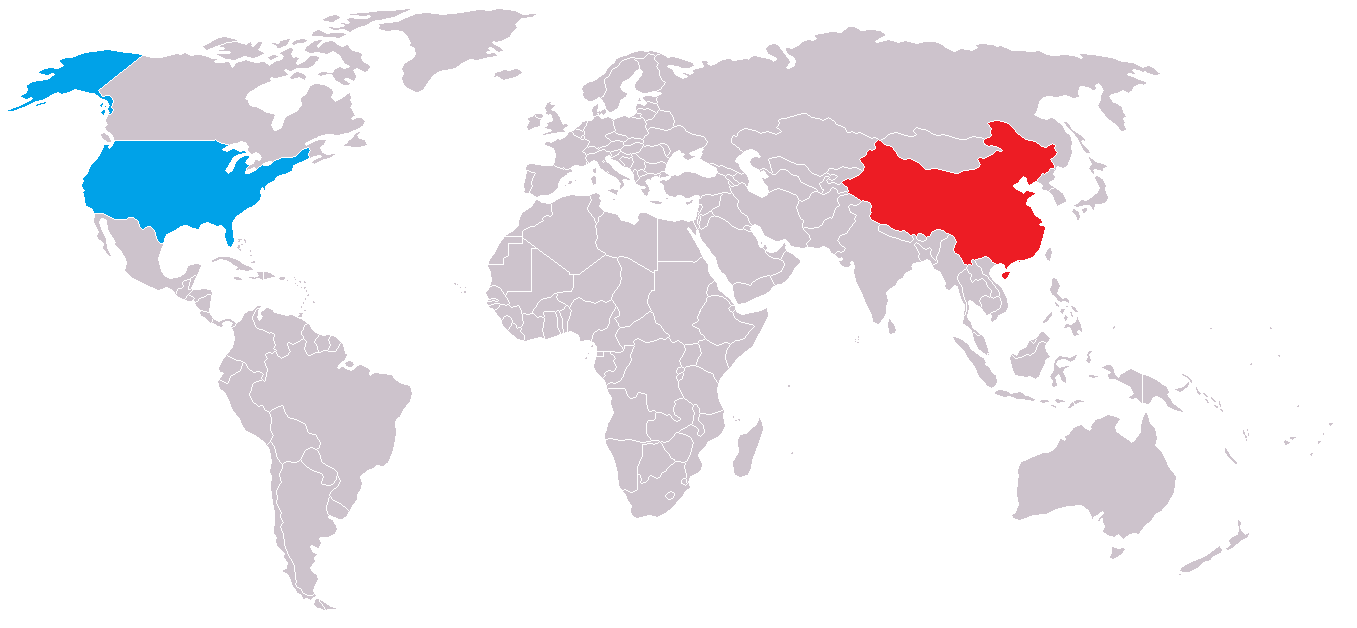
The policy backdrop remained just as important as the shipment itself. China tightened export controls on yttrium metals, oxides, alloys and compounds in April 2025, according to the U.S. Geological Survey. The United States said in November 2025 that China would issue general licenses for rare-earth exports, but the April controls were still reported as remaining in force as of December 2025. That left buyers in aerospace, semiconductors and high-temperature coatings exposed to sudden shifts in Beijing’s approval process.
The squeeze was not confined to the United States. European yttrium oxide prices had also surged sharply, underscoring how China’s leverage over rare earths has become a global industrial risk. The March shipment eased one bottleneck, but it also exposed how much of the world still depends on Chinese permission to keep key factories running.
This article was produced by Prism’s automated news system from verified source data, official records, and press releases, then run through automated quality and moderation checks before publishing. The system is built and supervised by the people who set the standards it runs under. Read our full AI policy.
Did this article answer your question?