Trump weighs new options as Iran standoff drives oil to four-year high
Oil jumped to a four-year high as the Hormuz standoff lifted U.S. gas prices to about $4.18 a gallon and put fresh pressure on Trump and lawmakers.
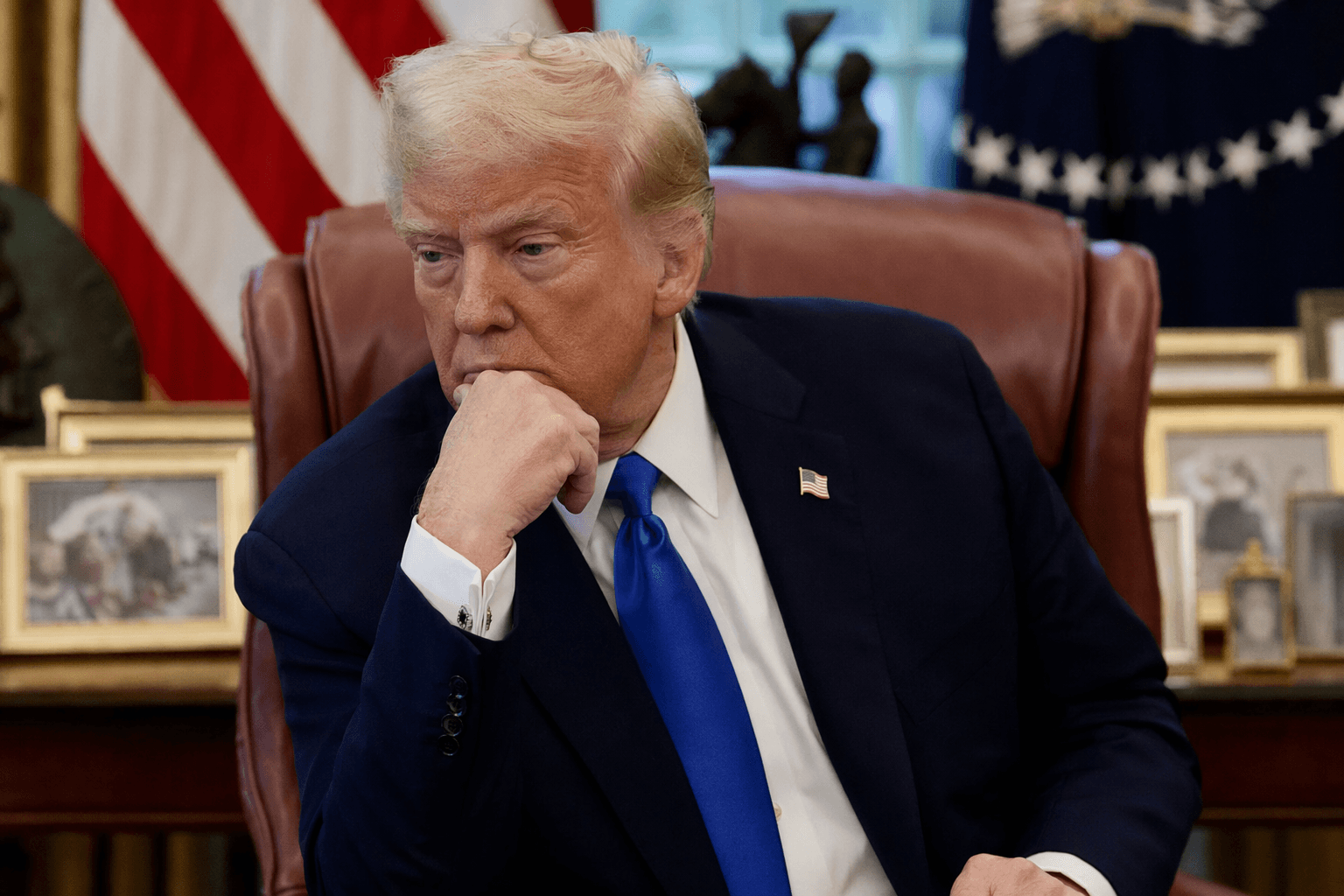
American drivers were already feeling the shock at the pump as Brent crude briefly surged above $122 a barrel and at one point was reported near $126, its highest level in four years. U.S. average gasoline prices climbed to about $4.18 a gallon, the steepest average since the Iran war began, turning a Middle East shipping fight into a kitchen-table problem for households and businesses.
The market panic centered on the Strait of Hormuz, the narrow waterway between the Persian Gulf and the Gulf of Oman that carries the flow of oil and gas for much of the world. The U.S. Energy Information Administration said about 20 million barrels a day moved through the strait in 2024, roughly one-fifth of global petroleum liquids consumption, while about one-fifth of global liquefied natural gas trade also passed through it, mostly from Qatar. The International Energy Agency says the strait is the main export route for oil from Saudi Arabia, the United Arab Emirates, Kuwait, Qatar, Iraq, Bahrain and Iran, which means any prolonged closure would squeeze a huge share of global supply at once.
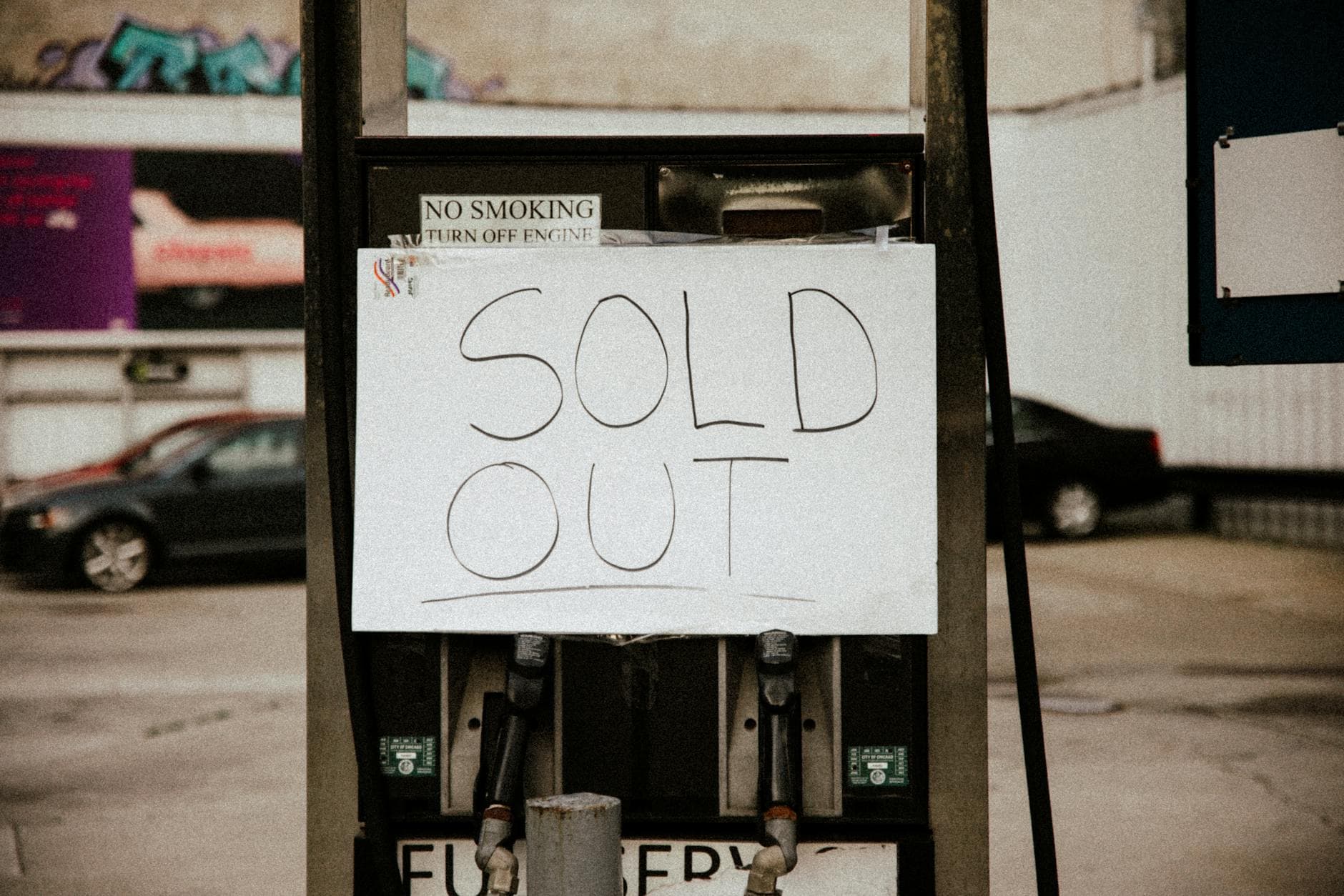
That is why traders treated the latest escalation as more than another geopolitical flare-up. Reports said shipping through Hormuz had been sharply reduced or heavily constrained, tightening oil markets and raising the risk of a broader economic slowdown if fuel costs stay elevated. A prolonged disruption could also pull most of the world’s spare production capacity out of the market, leaving few quick offsets if supplies are interrupted further.
Trump was said to be weighing new options after Axios reported that Iran had offered a deal to reopen the strait and end the war while postponing nuclear talks to a later stage. Trump rejected that approach and told Axios he would not lift the blockade until he secured an agreement on Tehran’s nuclear program. The standoff has made the fate of Hormuz central not only to oil prices but also to the administration’s next move on Iran.
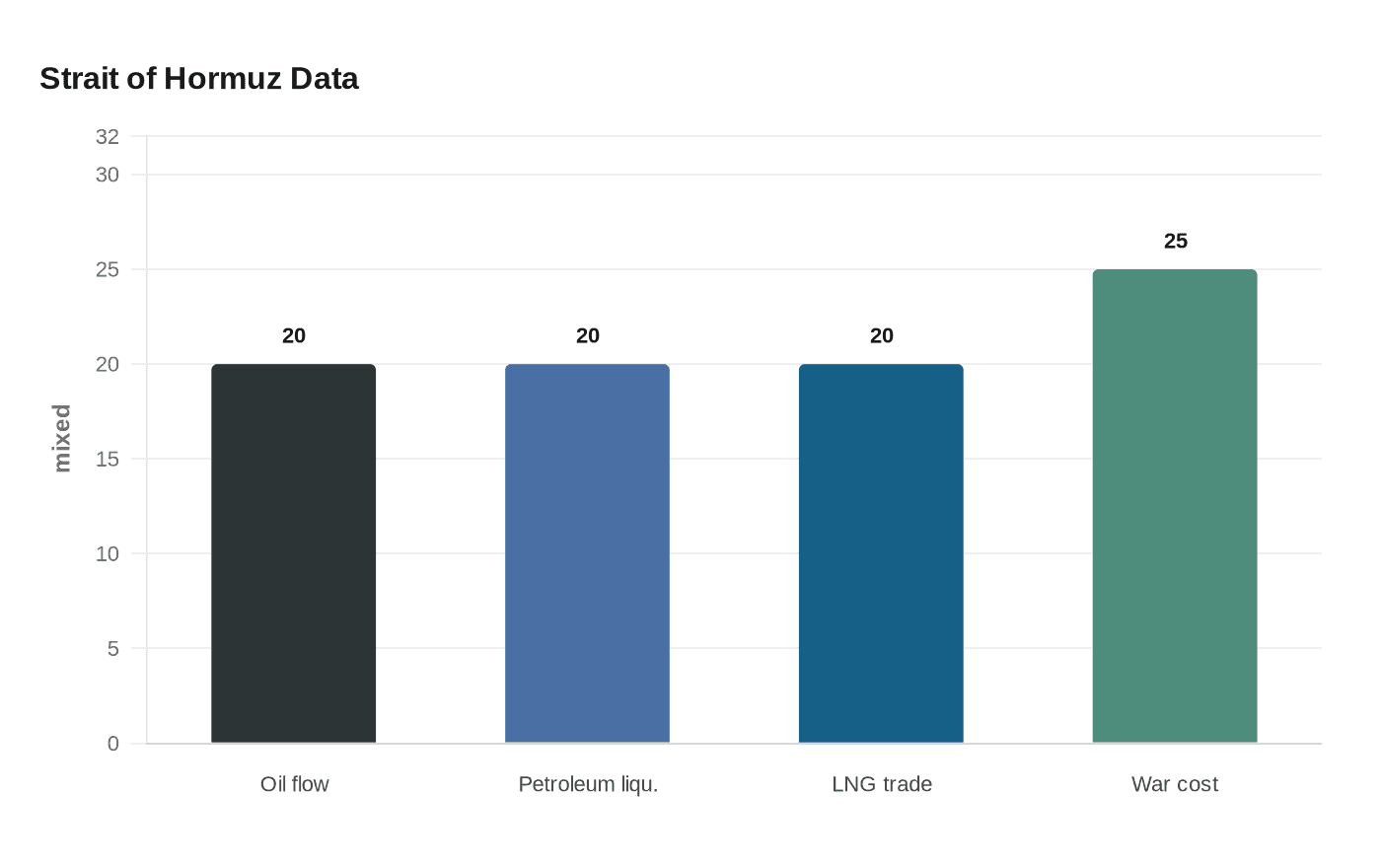
On Capitol Hill, Pete Hegseth faced lawmakers for the first time since the war began, with Democrats pressing him on the conflict’s cost, the drawdown of U.S. munitions and the Pentagon’s handling of the war. Republicans tried to steer the hearing toward the budget and military readiness, but the questions underscored how quickly the conflict has become a test of U.S. strategy. Pentagon officials have said the war has cost about $25 billion so far, a figure that adds another layer of pressure as lawmakers search for answers and the global energy system remains on edge.
This article was produced by Prism’s automated news system from verified source data, official records, and press releases, then run through automated quality and moderation checks before publishing. The system is built and supervised by the people who set the standards it runs under. Read our full AI policy.
Did this article answer your question?