Bank of Japan policymakers signal possible rate hike soon
Some BOJ officials now see a rate hike as possible from the next meeting, as inflation forecasts jump and yen-funded trades face a new shock.
The Bank of Japan is edging closer to the end of its ultra-loose era, with policymakers openly signaling that another rate hike could come soon. A summary of opinions released by the central bank on May 12 showed growing comfort inside the BOJ with tightening further if inflationary risks intensify, even as Middle East tensions continue to cloud the outlook for energy prices and global growth.
The BOJ’s April 27-28 meeting already marked a clear shift in tone. The bank left its policy rate unchanged at 0.75% in a 6-3 vote, but three board members, Hajime Takata, Naoki Tamura and Junko Nakagawa, dissented and argued for a move to 1.0%. That was the largest number of dissents since January 2016, when the BOJ adopted negative interest rates by a narrow 5-4 vote. The current policy guidance still says the bank will encourage the uncollateralized overnight call rate to remain around 0.75%.

The pressure to move is coming from the price side. In its April Outlook Report, the BOJ lifted its fiscal 2026 core inflation forecast to 2.8% from 1.9%, while cutting its fiscal 2026 growth forecast to 0.5% from 1.0%. The bank said the higher inflation forecast reflected rising crude oil prices, and it warned that Middle East conflict could feed through to energy and goods costs. Governor Kazuo Ueda said after the meeting that the BOJ could raise rates if inflationary risks intensified and downside economic risks remained limited, a formulation that left the door open to action as soon as conditions allow.
Markets have already started to test that possibility. The yen strengthened after the April decision, and investors began pricing in a possible hike as soon as the June 15-16 policy meeting. That matters far beyond Tokyo. Even a small BOJ increase can alter currency markets, lift pressure on global bond yields and disrupt trades built on borrowing cheaply in yen and moving into higher-yielding assets elsewhere.
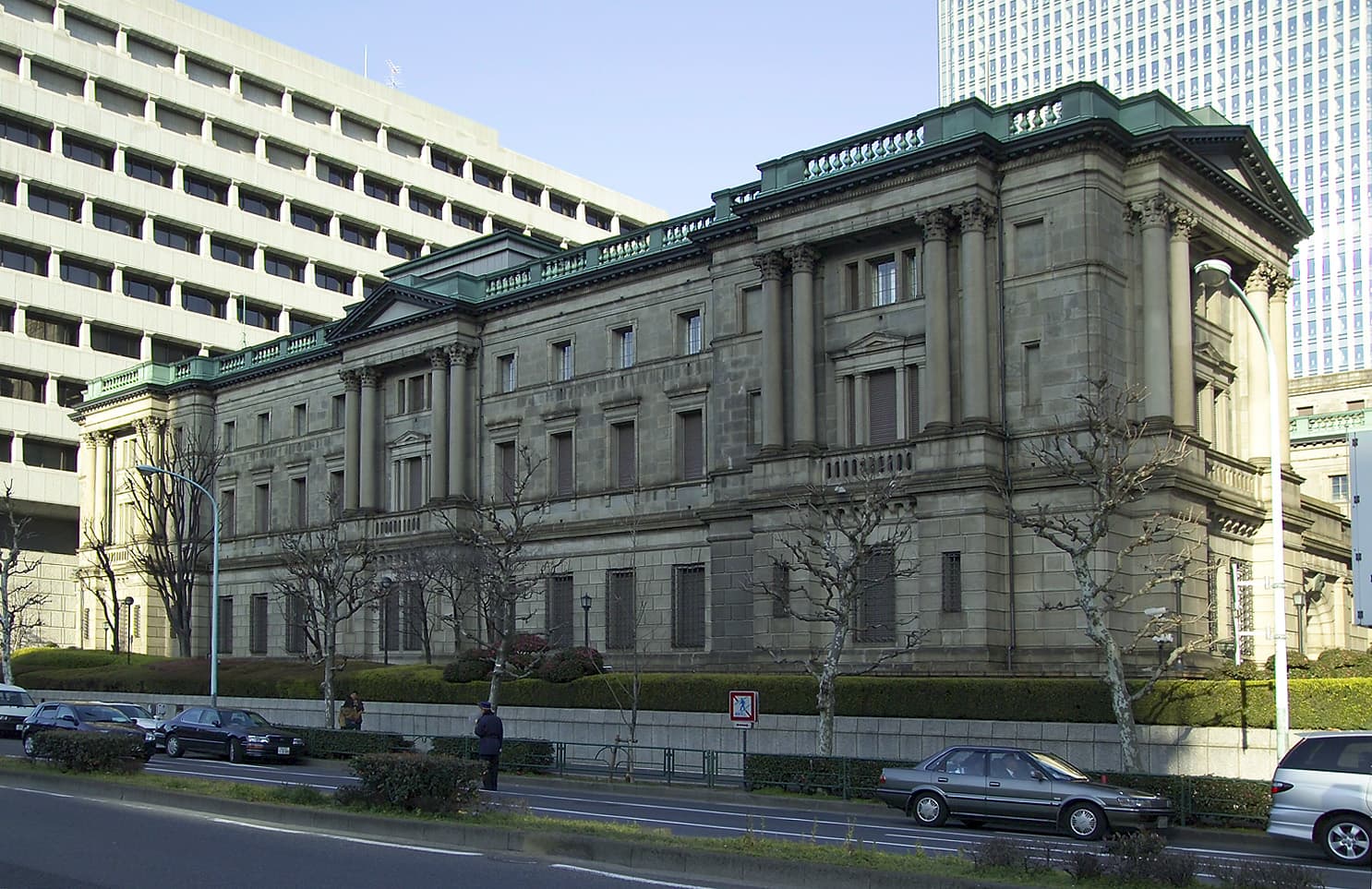
The hawkish case has been strengthened by wage data as well. Japan’s 2026 spring wage negotiations produced average pay increases above 5%, and real wages rose 1% in March from a year earlier, the third straight monthly gain. For the BOJ, that combination of firmer pay growth, stronger inflation forecasts and imported energy shocks suggests the debate is no longer about whether normalization will continue, but how quickly the next step should come.
This article was produced by Prism’s automated news system from verified source data, official records, and press releases, then run through automated quality and moderation checks before publishing. The system is built and supervised by the people who set the standards it runs under. Read our full AI policy.
Did this article answer your question?