Barrio 18 founder Carlos Mojica dies in El Salvador prison, at 74
Carlos Mojica died in prison at 74, but his death is likely more symbolic than operational for Barrio 18 and El Salvador's security fight.
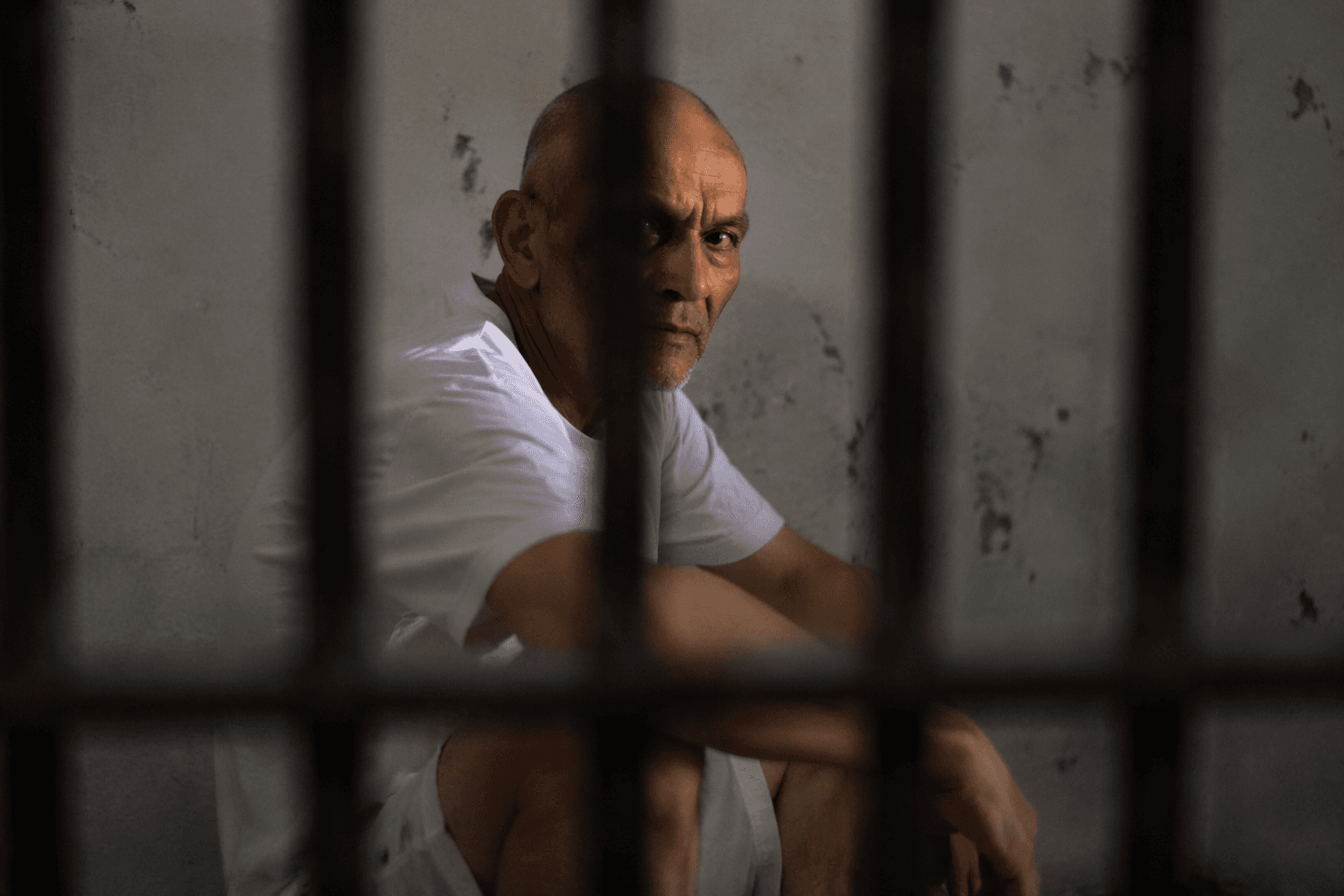
Carlos Ernesto Mojica Lechuga, the Barrio 18 founder known as El Viejo Lin, died in an El Salvador prison at 74, ending the life of a man who helped shape one of the region’s most violent criminal networks and, at times, helped shape the country’s security politics from behind bars. Authorities said he died of liver complications after years in maximum-security prison, where he had been held since 2003.
His death matters less as a tactical blow to Barrio 18 than as a reminder of how deeply the gang’s leadership had already shifted away from any single figure. Mojica remained relevant even from prison, and in November 2021 four senior leaders of the Sureños faction, including Mojica, sent an audio message asking members on the streets to stop killings that were shocking the country. That message showed that he still had standing inside the gang hierarchy, but it also underscored how command had become fragmented, filtered through prison networks rather than one clear street-level chain of authority.
Mojica’s influence stretches back to the 2012 gang truce, a secret back-channel arrangement that brought together the Salvadoran government, the Catholic Church, MS-13 and Barrio 18. The pact began on March 9, 2012, and briefly changed the country’s security picture. El Salvador recorded 4,371 homicides in 2011 and 2,576 in 2012. Later analysis placed the murder rate at more than 65 per 100,000 people in 2011 and 39.6 per 100,000 by the end of 2013, while other reporting said killings dropped from roughly 12 to 14 a day to around five a day during the truce.
That legacy matters now because it shows the reach gang bosses once had over national conditions, even while incarcerated. Mojica had been deported from the United States in the 1990s after emerging in gang cells that later identified as Barrio 18. His reported health decline had been visible for years, with separate reporting in 2024 describing kidney and liver problems and a suspected aggressive brain tumor.
The government is likely to use Mojica’s death to reinforce its hard-line anti-gang narrative, especially as President Nayib Bukele’s security agenda has centered on crushing gang power rather than bargaining with it. Yet the broader challenge remains the same: Barrio 18 and MS-13 left behind a structure of violence, extortion and territorial control that outlived any one founder. Even in death, Mojica is more a symbol of that earlier era than a turning point in the present one.
This article was produced by Prism’s automated news system from verified source data, official records, and press releases, then run through automated quality and moderation checks before publishing. The system is built and supervised by the people who set the standards it runs under. Read our full AI policy.
Did this article answer your question?