Bausch + Lomb ends glaucoma eye drop after phase 2 failure
Bausch + Lomb halted BL1107 after a phase 2 miss, leaving patients with glaucoma and ocular hypertension waiting longer for a new vision-focused option.

Bausch + Lomb will stop developing BL1107, its glaucoma eye drop acquired with Whitecap Biosciences, after a phase 2 study failed to meet its main goal. The randomized, double-masked, three-arm study enrolled 159 adults age 18 and older. Its primary endpoint measured change from baseline in visual field mean deviation at Day 28, Exit, Hour 2, and the drug did not meet that bar. Key secondary endpoints that assessed visual function, including low-luminance best-corrected visual acuity responder rates, were also missed.
BL1107 was originally known as WB007 and is an alpha-2 adrenergic agonist and alpha-2B-selective prodrug designed to lower intraocular pressure while improving visual function through neuroprotection. The company had been looking for a result strong enough to extend a smaller earlier study in which the program had shown visual-field improvement and a higher share of 15-letter gains versus timolol. Shares of the U.S.-listed company fell 2.8% in extended trading after the announcement.
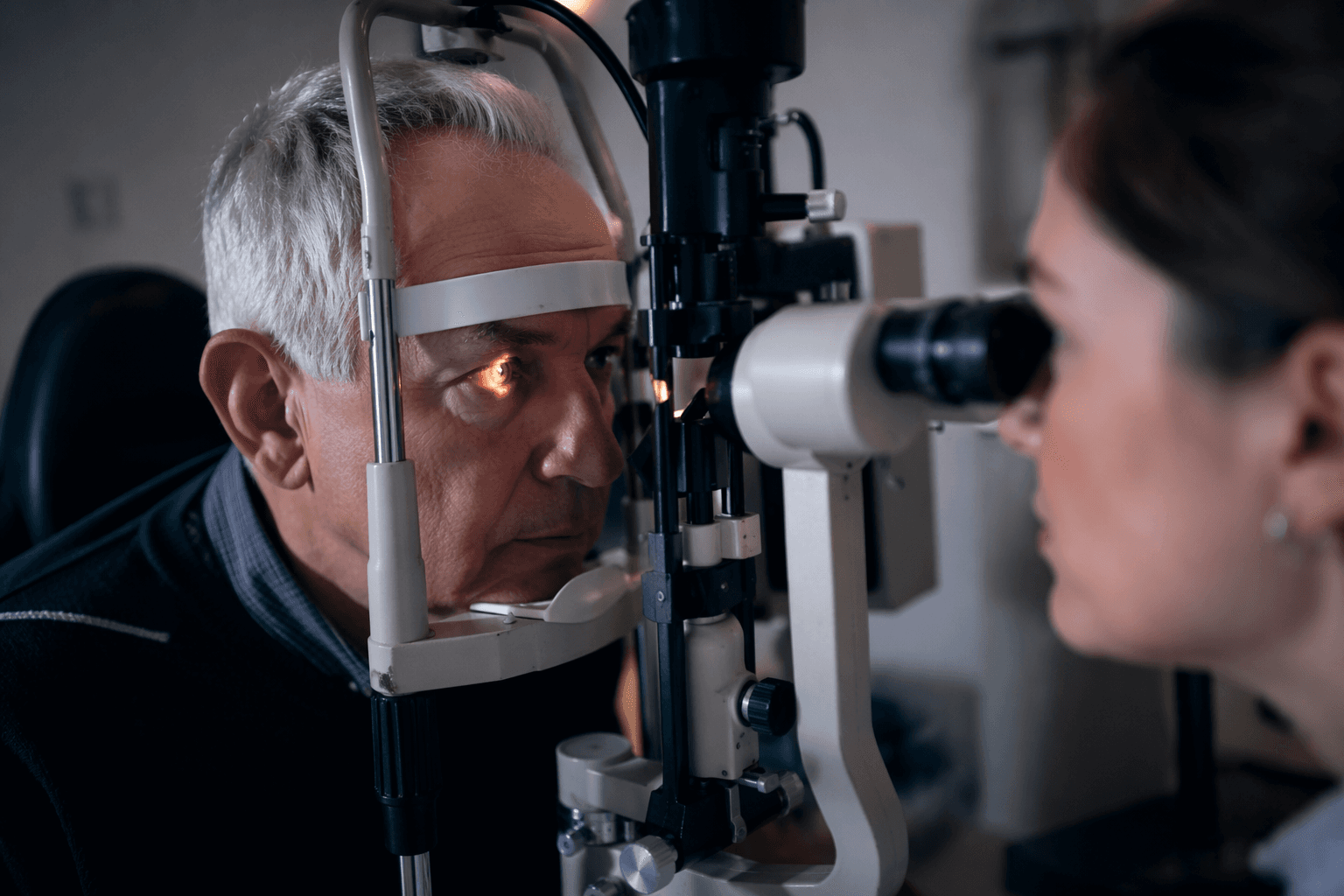
The Centers for Disease Control and Prevention estimates 4.22 million U.S. adults had glaucoma in 2022, including about 1.49 million with vision-affecting disease. The CDC says about 3 million Americans have glaucoma and there is no cure yet.
Bausch + Lomb acquired Whitecap Biosciences in January 2025, after Whitecap was founded in 2015 with a focus on glaucoma and geographic atrophy. Geographic atrophy, the advanced late stage of dry age-related macular degeneration, can cause irreversible central vision loss. Bausch + Lomb will keep pushing a sustained-release implant for vision-threatening disease, with clinical trials expected to begin in 2028.
This article was produced by Prism’s automated news system from verified source data, official records, and press releases, then run through automated quality and moderation checks before publishing. The system is built and supervised by the people who set the standards it runs under. Read our full AI policy.
Did this article answer your question?