UC San Diego tests humanoid robots in gallbladder surgery on pigs
UC San Diego used two teleoperated humanoid robots to remove gallbladders from pigs, a preclinical test that marks a step toward operating-room use but not human surgery.
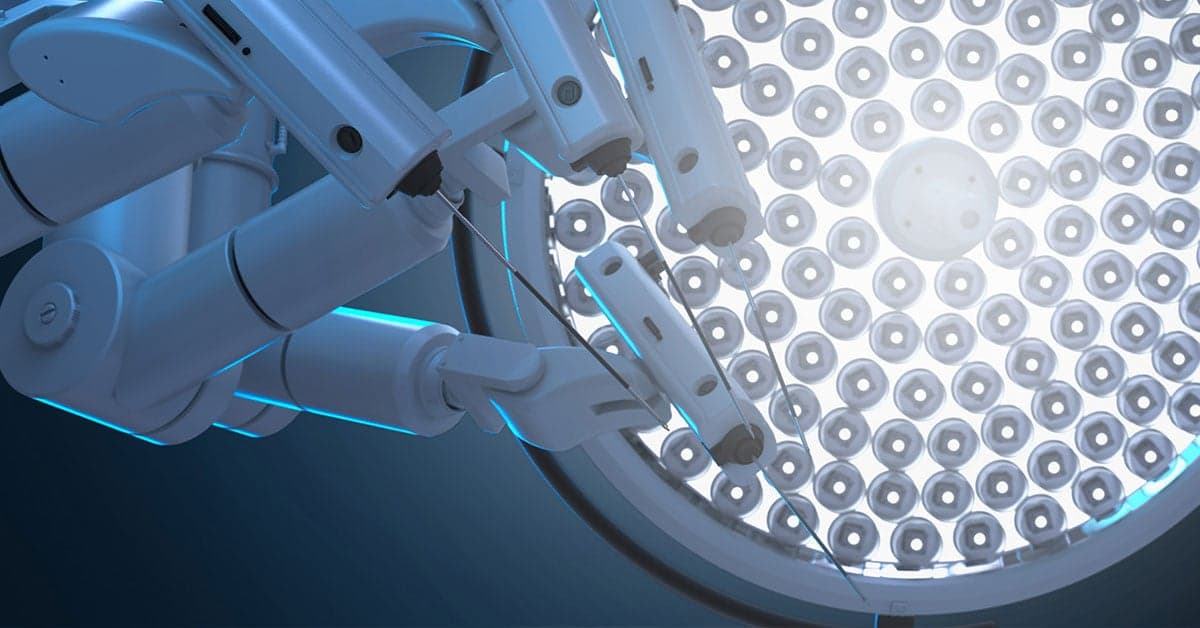
UC San Diego researchers used two teleoperated humanoid robots to remove gallbladders from pigs in a preclinical trial published in Nature on July 8, putting a general-purpose robot platform through a surgical task that has been dominated by specialized machines. One procedure paired a humanoid robot with a human surgeon acting as assistant; the second used two humanoid robots working side by side.
The study is a milestone because it shows the robots could carry out laparoscopic surgical tasks under human control, not on their own. The platform, nicknamed Surgie, was built on a Unitree G1 chassis and connected to a bimanual teleoperation system developed by UC San Diego engineers and surgeons. Researchers evaluated that system across seven medical procedures, then demonstrated that it could complete two gallbladder removals on large non-primate mammals.
That matters technically, but it does not amount to human readiness. The animals were pigs, not people, and the robots were remotely controlled by humans throughout both operations. UC San Diego described the work as a proof-of-concept and an early step toward using humanoid robots in the operating room, with the longer-term goal of having them first assist surgeons and later perform procedures under supervision.
The team’s pitch is practical as much as technological. UC San Diego researchers say humanoid robots could help ease surgeon shortages, shorten wait times and improve access in communities that struggle to get specialty care. They also argue that compact, versatile robots could be easier to deploy than specialized surgical systems that typically weigh about 1,800 pounds and require major operating-room modifications. The same flexibility, the researchers say, could make the robots useful in remote communities and austere settings such as disaster zones and search-and-rescue environments.
The project also fits into a long UC San Diego record of surgical firsts. Santiago Horgan, an internationally recognized minimally invasive surgery specialist at UC San Diego, led the first U.S. gallbladder removal through the belly button with the FDA-approved da Vinci Si system in 2011. That procedure took 60 minutes, and the patient went home five hours later. The new humanoid-robot study extends that history from specialized robotic surgery into general-purpose platforms, but the path from a pig lab to a regulated human operating room still runs through safety validation, liability questions and surgeon training that a successful demo cannot settle.
This article was produced by Prism’s automated news system from verified source data, official records, and press releases, then run through automated quality and moderation checks before publishing. The system is built and supervised by the people who set the standards it runs under. Read our full AI policy.
Did this article answer your question?