They met in a Minnesota hospital, now they’re getting married
They met as brain-injury patients in a Minnesota hospital, reconnected years later and turned recovery into a marriage. Their bond reflects how companionship can shape life after trauma.
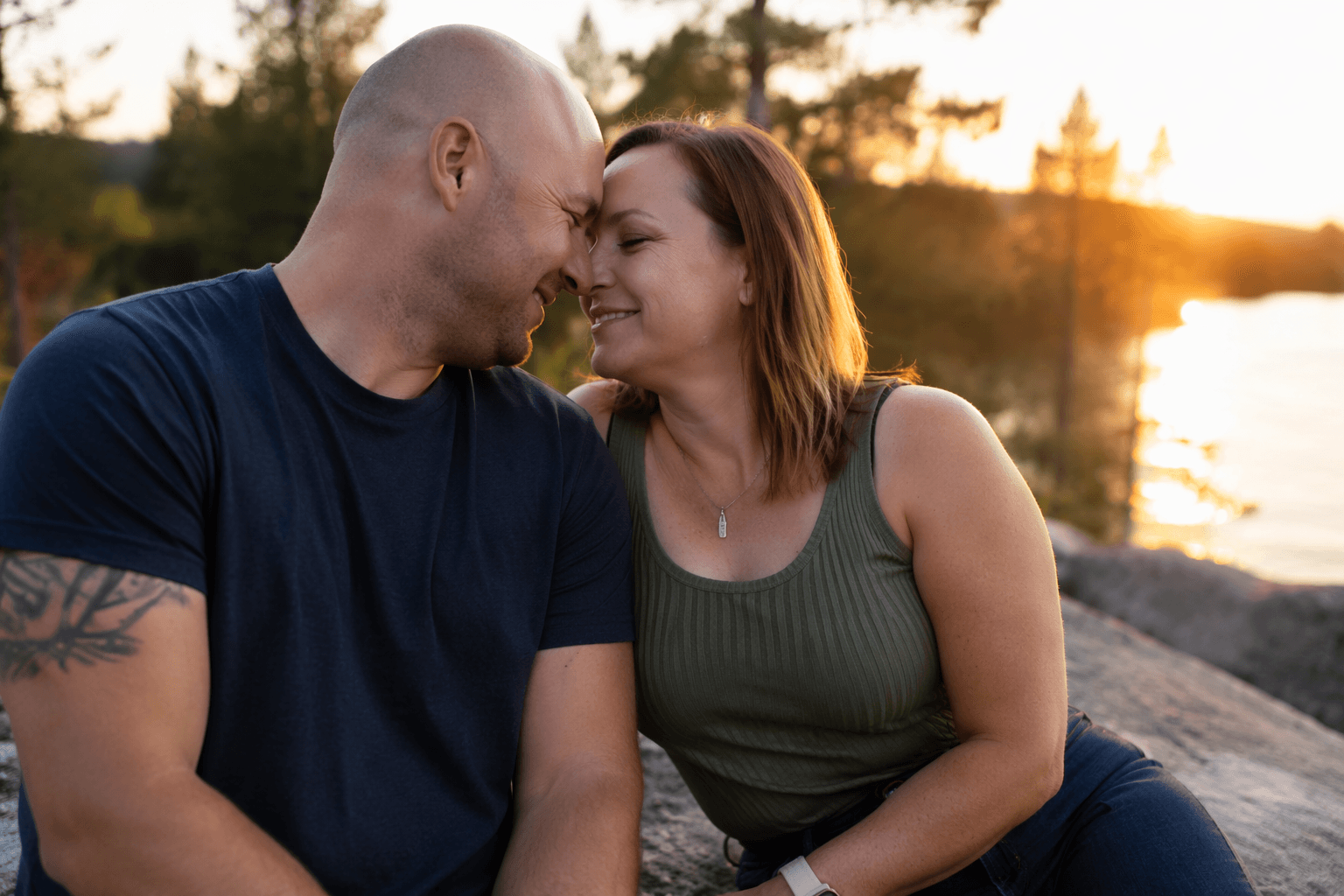
They met while being treated for brain injuries in a Minnesota hospital, lost touch, and reconnected years later with a relationship built on recovery as much as romance. Now they are getting married, and the heart of their story is not just the wedding, but the way two lives reshaped by trauma found steadiness in each other.
The Washington Post story, published July 10, 2026, places the couple in the center of a deeply personal kind of resilience. One line captures the shorthand they built through shared experience: “I’ve dealt with that, sweetie. I understand that.” In that sentence is the practical empathy that often becomes essential after a brain injury, when fatigue, memory loss, frustration, and changes in identity can outlast the hospital stay.
Their relationship lands in a larger public health picture. The Centers for Disease Control and Prevention says traumatic brain injury is a major cause of death and disability in the United States, and that there were over 69,000 TBI-related deaths in 2021, about 190 a day. The agency defines a TBI as an injury that affects how the brain works and says it can result from a bump, blow or jolt to the head, or from a penetrating injury.
Recovery from those injuries is rarely only medical. CDC and National Institutes of Health materials emphasize rehabilitation as an important part of treatment, while the National Institute of Neurological Disorders and Stroke, part of the NIH, is a leading federal funder of brain and nervous system research, including work on TBI. That clinical backdrop helps explain why shared experience can matter so much: survivors often face loneliness and social isolation, and the presence of someone who already understands the pace and frustrations of healing can change what recovery feels like day to day.
The couple’s wedding is a personal milestone, but it also points to a wider reality about life after brain injury. Healing does not end when the acute medical crisis passes. For many survivors, the hardest work comes afterward, in rebuilding memory, confidence, routines and a sense of self. In that space, companionship is not a sentimental detail. It is part of the recovery itself.
This article was produced by Prism’s automated news system from verified source data, official records, and press releases, then run through automated quality and moderation checks before publishing. The system is built and supervised by the people who set the standards it runs under. Read our full AI policy.
Did this article answer your question?