UK heatwave drives danger warnings for vulnerable people and emergency services
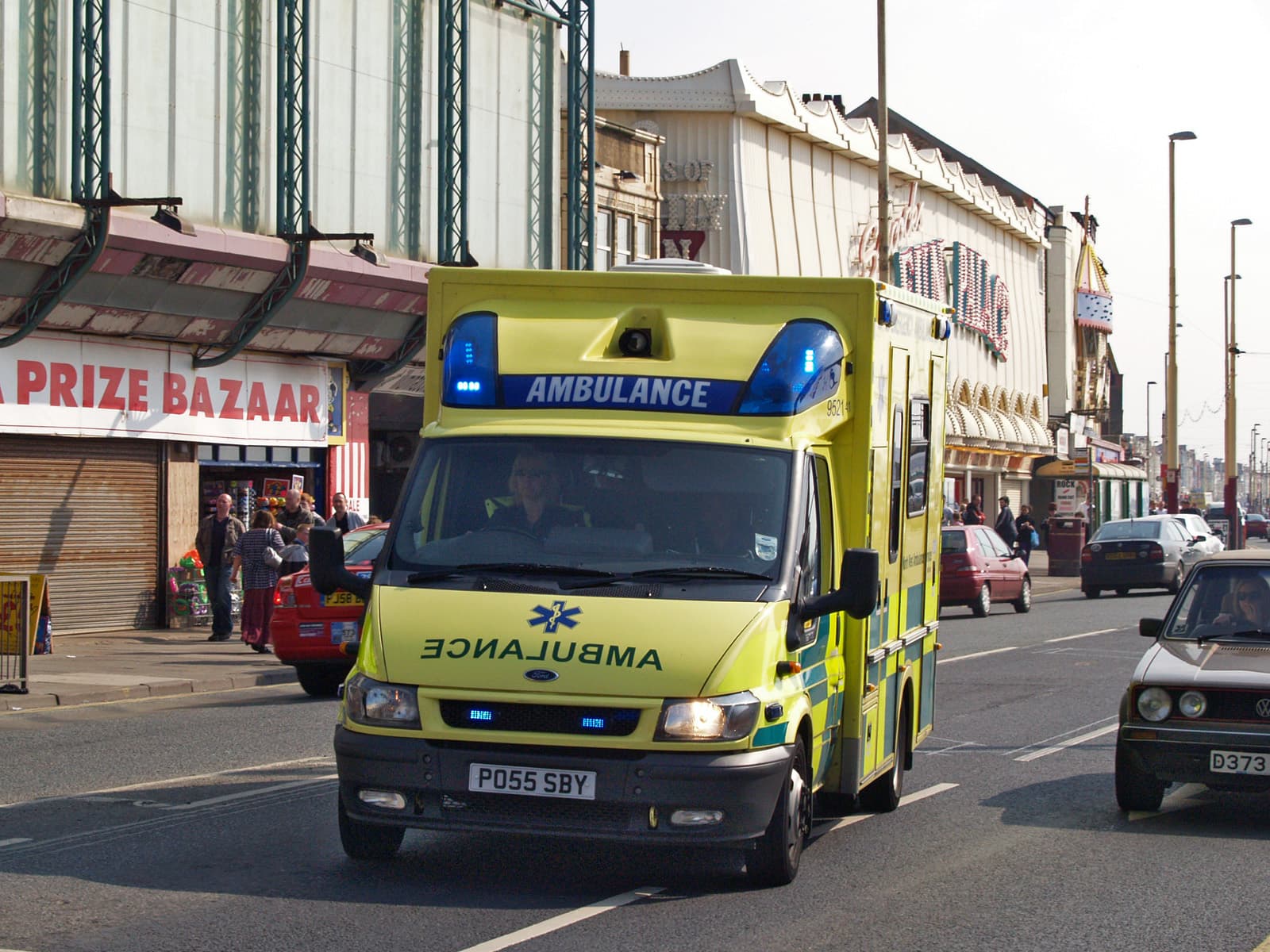
Ambulance crews in Exeter saw heat as a slow-building emergency as North West Ambulance Service said summer demand had reached New Year’s Eve levels.
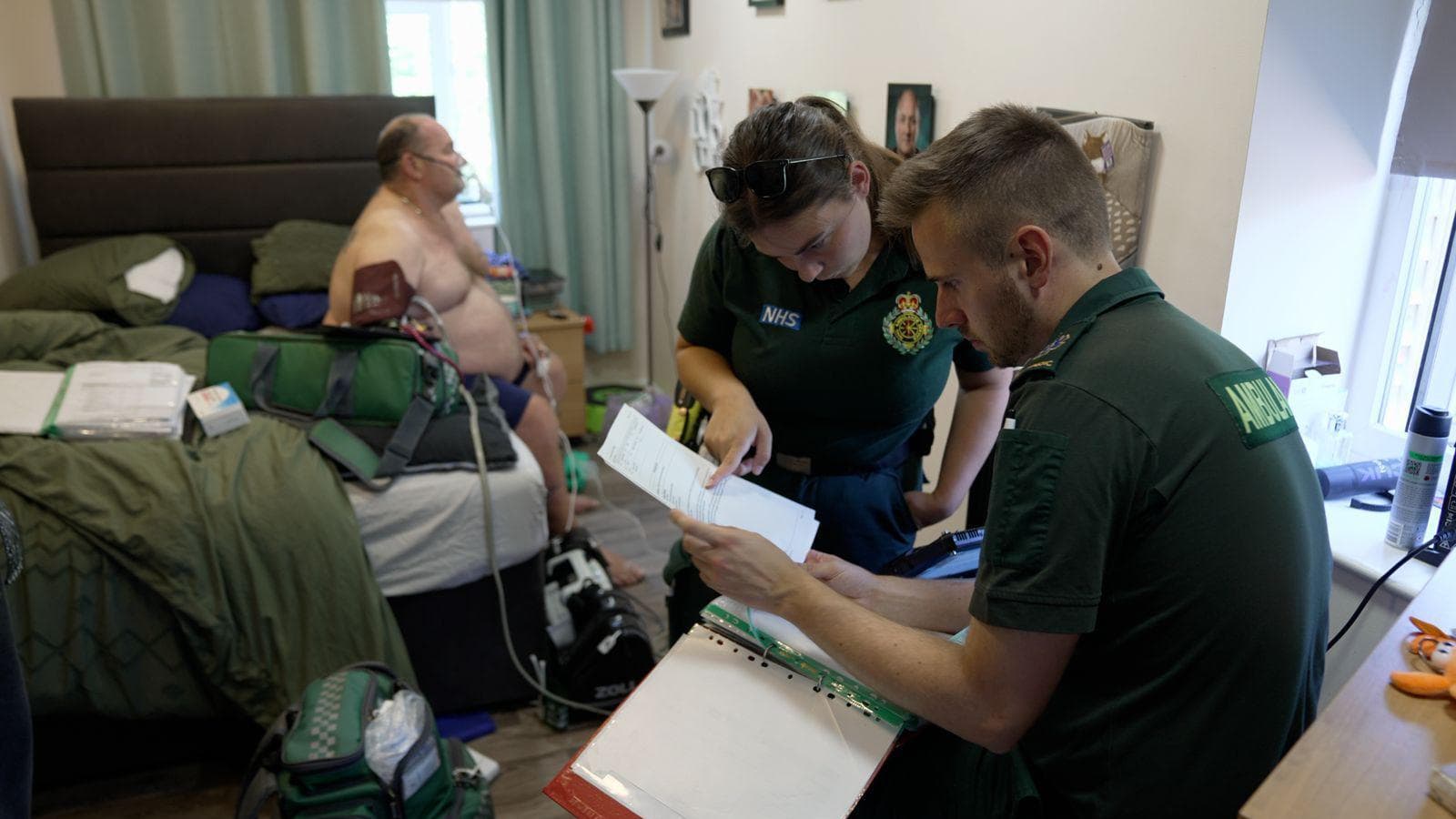
North West Ambulance Service NHS Trust said on 9 July 2026 that demand during the last heatwave peaked at levels usually seen on New Year’s Eve, a comparison that shows how fast hot weather can overwhelm emergency cover. In Exeter, crews were dealing with a prolonged heatwave that health officials and ambulance leaders now treat as a pressure test for patients, transport and frontline response.
The NHS says the main dangers are dehydration, overheating, heat exhaustion and heatstroke. Older people, especially those aged 65 and over, are among the groups most at risk, along with babies and young children, pregnant people, those with serious long-term conditions, people living alone, homeless people and people who work or spend long periods outdoors. GOV.UK says older people, babies and young children are more likely to become unwell because their bodies are less able to regulate temperature.
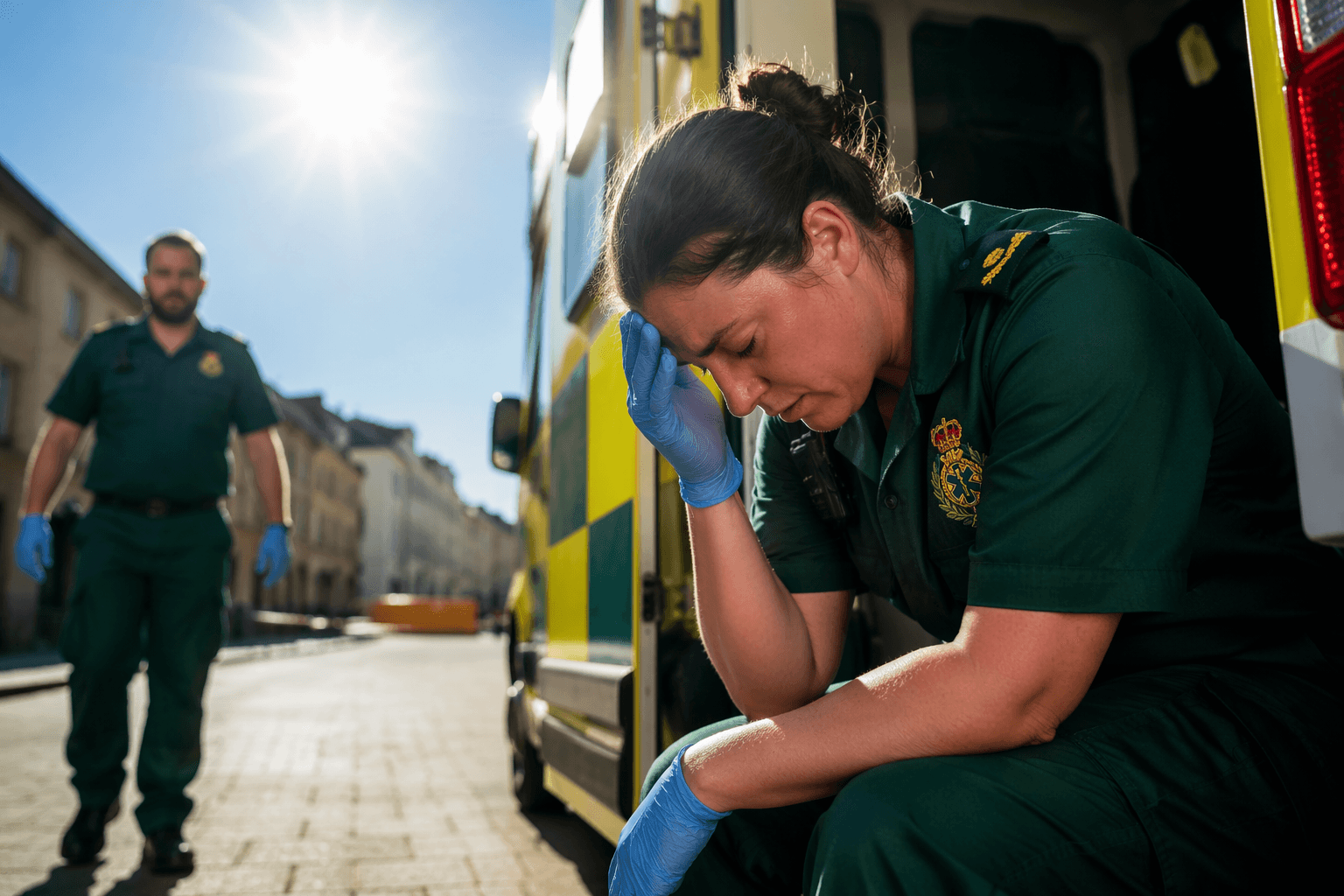
England’s Heat-Health Alert system gives health and social care providers a structured response, and it includes a rare red alert level for times when hot weather is likely to have significant impacts across services. West Midlands Ambulance Service said in June 2026 that red is the highest warning level, signalling that the risk has moved well beyond simple discomfort.
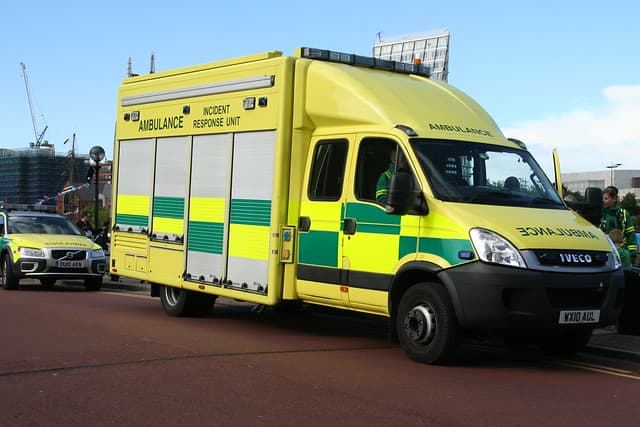
The scale of the threat has been clear for years. BBC reporting on the 2003 heatwave said about 27,000 people across Europe died directly because of the heat, and that August matched 1976 as Britain’s hottest summer on record. The same reporting also showed how heat can paralyse daily life, with ambulance crews struggling to reach incidents and drivers in traffic jams urged to stay with their cars so emergency vehicles could get through.
Heat has also hit transport networks. BBC coverage in 2006 said railway lines buckled in the Midlands and speed restrictions were imposed on the West Coast Main Line, adding another layer of disruption to already stretched emergency services. That history is why ambulance crews now speak about heatwaves in the language of operational risk, not good weather, as rising temperatures continue to test health services, road access and rail infrastructure at the same time.
This article was produced by Prism’s automated news system from verified source data, official records, and press releases, then run through automated quality and moderation checks before publishing. The system is built and supervised by the people who set the standards it runs under. Read our full AI policy.
Did this article answer your question?