BBC exposes shadow industry helping migrants fake gay asylum claims
Undercover BBC reporting found advisers coaching migrants to stage gay asylum claims, with fake partners, photos and letters. The fees ran into thousands of pounds.
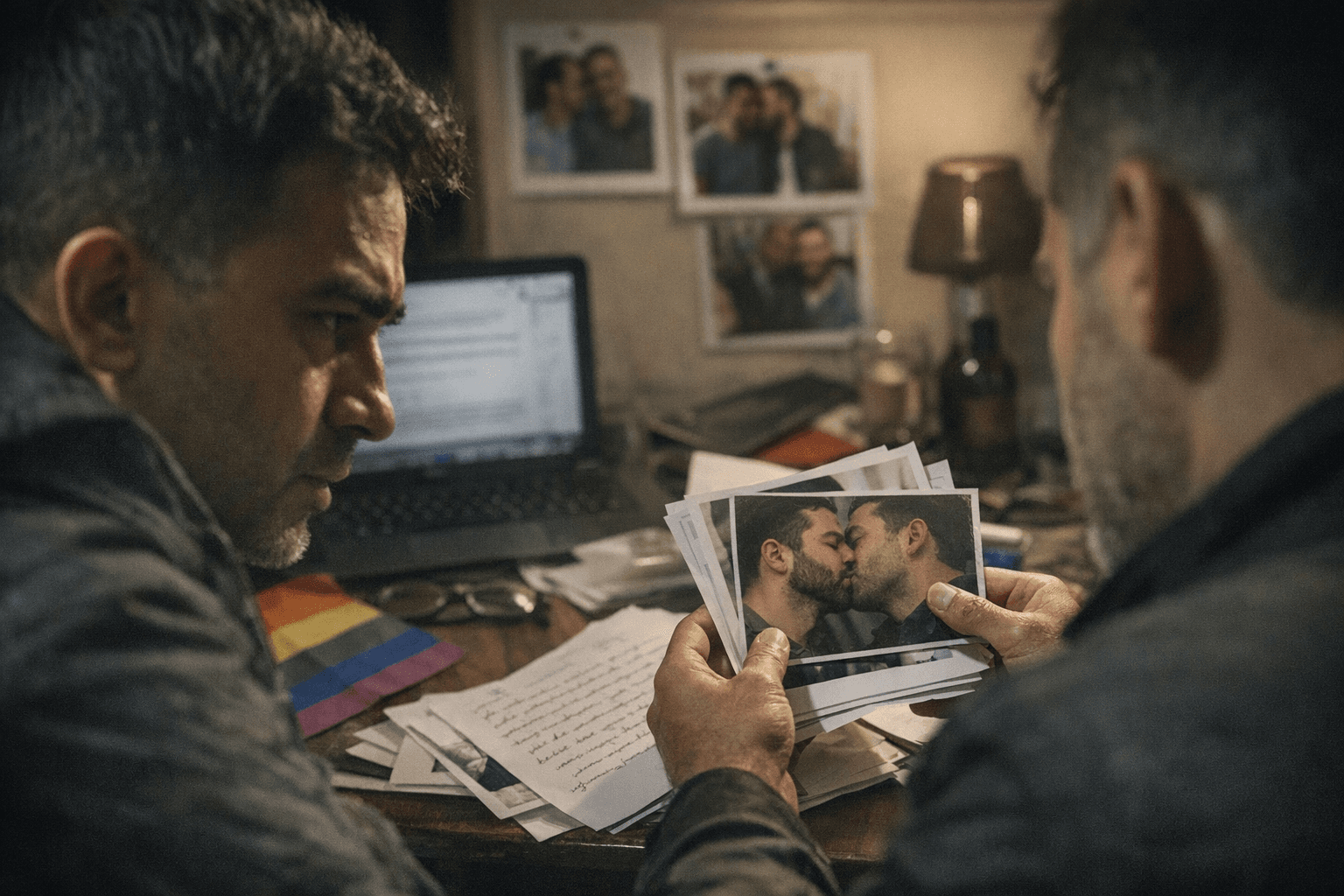
A shadow industry is charging migrants thousands of pounds to help them stage false gay asylum claims, with undercover BBC reporting showing advisers laying out a step-by-step script built on fake partners, photographs and cover stories.
In one exchange, a reporter was allegedly told to visit gay clubs for photographs, find a man willing to pose as a partner, and prepare a backstory to support the claim. One adviser reportedly said, “Once she’s here, we can make her a lesbian.” The BBC said migrants with expiring visas, including people from Pakistan and Bangladesh, were being coached to assemble fabricated evidence such as supporting letters, photographs and medical reports before applying for asylum on the basis that they were gay and feared persecution if returned home.
The findings cut to a sensitive fault line in Britain’s asylum system. UK rules do allow claims based on sexual orientation, but official Home Office guidance says these cases can be difficult because applicants may find it daunting to discuss sexuality. Claims are screened, then tested again in a substantive interview, and refused applications can be appealed in court. The government also says there are no visa routes for people to claim asylum from overseas, and that protection is generally sought in the first safe country reached.
That framework matters because genuine claims do arise. Home Office country guidance says same-sex sexual activity is criminalised in Bangladesh, while LGBT+ people in Pakistan are treated as a particular social group. But the BBC’s account suggests some advisers are exploiting evidentiary weaknesses in the process, turning asylum law into a paid service for people who are not entitled to protection.
The scale of the wider system underscores the stakes. In 2023, sexual orientation formed part of 2% of UK asylum claims. In 2024, the UK recorded 108,138 asylum claims, the highest annual total since 2002, when 103,081 was the previous recorded peak. Any rise in fraudulent claims risks pushing decision-makers toward deeper scrutiny, which can lengthen cases and make it harder for legitimate LGBTQ+ applicants to be believed.
Peter Tatchell said in 2025 that his foundation had seen suspicious donation patterns from Pakistani men who later asked for membership cards, and that he reported the concerns to the Home Office. For ministers already under pressure on immigration enforcement, the BBC findings are likely to intensify demands for tighter oversight of immigration advisers and stronger safeguards for genuine refugees whose claims depend on proving something deeply personal under hostile conditions.
This article was produced by Prism’s automated news system from verified source data, official records, and press releases, then run through automated quality and moderation checks before publishing. The system is built and supervised by the people who set the standards it runs under. Read our full AI policy.
Did this article answer your question?