BBC Finds Abuse Victim Protection Rules Exploited in UK Immigration System
A UK protection route for abuse victims gives 3 months’ stay and benefits, but the BBC says some migrants and advisers have exploited it with false claims.
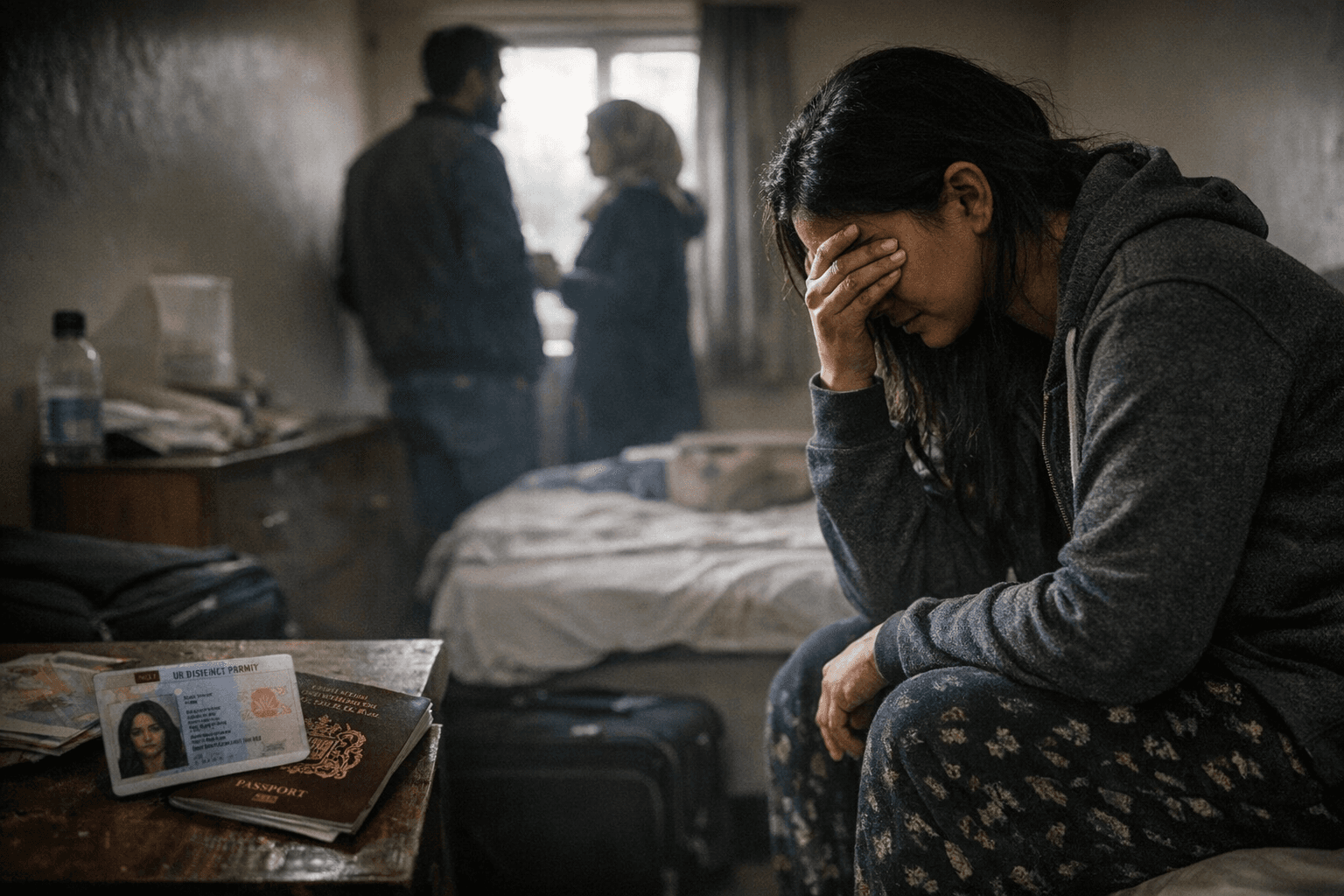
A protection scheme meant to help abuse victims escape dangerous relationships has become the focus of claims that some migrants and advisers are exploiting it. The Migrant Victims of Domestic Abuse Concession, once known as the Destitute Domestic Violence Concession, gives eligible people 3 months of temporary permission to stay in the UK and access benefits while they apply for settlement, another immigration route or prepare to leave.
The policy sits at the fault line between immigration control and survivor protection. It was expanded on 16 February 2024 to cover some dependent partners on work or study routes, then widened again on 4 April 2024 to include some EUSS pre-settled-status holders and their dependent children. Home Office guidance on the concession was updated on 26 March 2026, and the application form was last updated on 26 February 2026.

That flexibility exists because migrant survivors of domestic abuse often face a blunt choice between staying with an abuser or losing the means to survive. The Domestic Abuse Commissioner says research from the London School of Economics and Oxford Migration Observatory estimates about 32,000 victims and survivors in England and Wales would come forward for support but are blocked by no recourse to public funds status. The commissioner also says around 7,700 migrant victims with that status may need refuge or other accommodation.
The commissioner has warned that insecure immigration status can itself be used as a coercive tool by perpetrators, making it harder for victims to report abuse or leave safely. The same office says all 43 police forces in England and Wales and the British Transport Police have shared information about domestic-abuse victims with immigration enforcement, a practice campaigners say can deter people from seeking help.
Those concerns have shaped the policy debate for years. A 2020 Home Office review said the Joint Committee on the Draft Domestic Abuse Bill believed the legislation missed the opportunity to address the needs of migrant women with no recourse to public funds. That review recorded calls to extend support from 3 months to 6 months and to create a firewall between reporting crime, accessing support and immigration control.
The legal framework remains in place through the Domestic Abuse Act 2021, which is current to changes known to be in force on or before 15 April 2026. The challenge now is whether ministers can tighten checks around the concession without driving genuine survivors back into silence. The Domestic Abuse Commissioner argues that the answer lies in stronger safeguards, a firewall from immigration enforcement and more funding for specialist by and for organisations, not in making access to protection harder for the people the system was built to protect.
This article was produced by Prism’s automated news system from verified source data, official records, and press releases, then run through automated quality and moderation checks before publishing. The system is built and supervised by the people who set the standards it runs under. Read our full AI policy.
Did this article answer your question?

