House advances bill to restore temporary protections for Haitians in U.S.
Six Republicans broke with Trump as the House advanced a bill to restore TPS for about 350,000 Haitians, setting up a larger immigration fight.
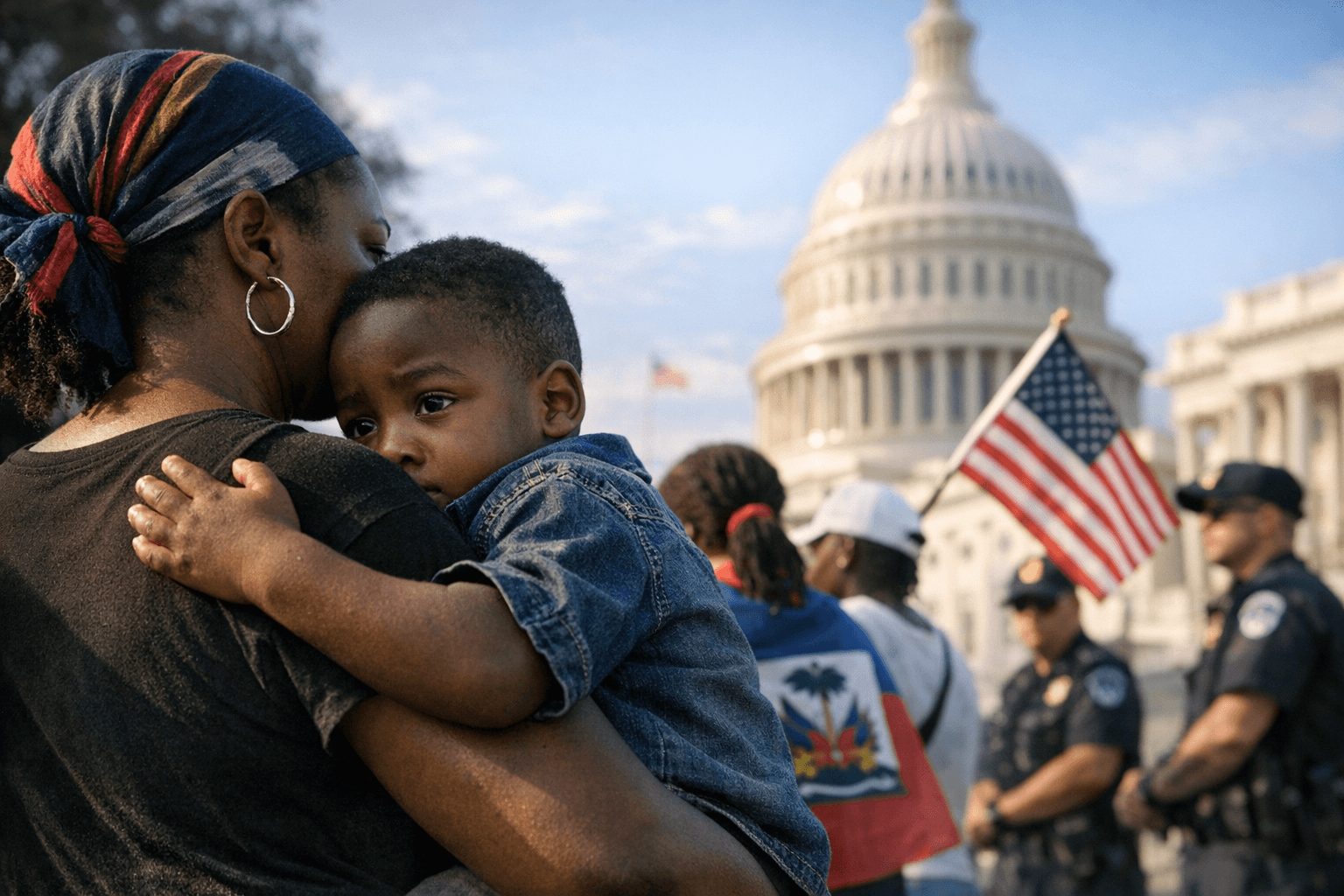
The House moved Wednesday to put temporary protection for Haitians back on the table, with six Republicans joining Democrats in a 219-209 vote that exposed a rare break with President Donald Trump’s immigration line. The procedural win cleared the way for a final House vote Thursday afternoon on a bill that would extend Temporary Protected Status for Haitian immigrants for three years, with supporters saying the protection would last until April 2029.
The maneuver came through a discharge petition, an unusual tool that let supporters bypass House leadership once it reached 218 signatures. Rep. Ayanna Pressley, D-Mass., a co-chair of the House Haiti Caucus, helped drive the effort alongside the bill’s original sponsors, Reps. Laura Gillen, D-N.Y., and Mike Lawler, R-N.Y. Pressley said the coalition behind the bill reached beyond Congress, drawing backing from labor unions, business groups, faith leaders and civil rights organizations.
The Republican defections were the most politically revealing part of the vote. María Elvira Salazar and Carlos A. Giménez of Florida, Brian Fitzpatrick of Pennsylvania, Don Bacon of Nebraska, Mike Lawler of New York and Nicole Malliotakis of New York sided with Democrats on the procedural vote. Lawler has argued that Haitian TPS holders in his district work in health care, including as nurses, and that ending protection without preserving work authorization would strain the health care system. Salazar said in March that TPS exists to protect people who cannot safely return home and that she would keep fighting to protect those who depend on it.
The stakes are high for Haitian families and for employers that rely on immigrant labor. TPS for Haitians was first granted in 2010 after Haiti’s catastrophic earthquake and has been extended repeatedly as gang violence, political instability and economic collapse have driven more than 1 million people from their homes. Supporters say Haitian immigrants fill critical jobs in health care, education, caregiving and elder care, and that a rollback would hit both family stability and the economy.
The bill faces steep obstacles even after the House vote. Its path in the Senate remains uncertain, and a presidential veto would be likely if it reached the White House. The fight also unfolds against a broader legal battle over the Trump administration’s effort to terminate TPS for about 350,000 Haitians last summer, a move blocked by a federal judge and expected to reach the Supreme Court in April 2026.
This article was produced by Prism’s automated news system from verified source data, official records, and press releases, then run through automated quality and moderation checks before publishing. The system is built and supervised by the people who set the standards it runs under. Read our full AI policy.
Did this article answer your question?

