BBC investigation questions hotel death of Charmain Speirs in Ghana
Two tall men, one carrying a briefcase, were seen with Eric Adusah at the Mac-Dic Royal Plaza Hotel the night Charmain Speirs was found dead, a BBC Disclosure probe reports.
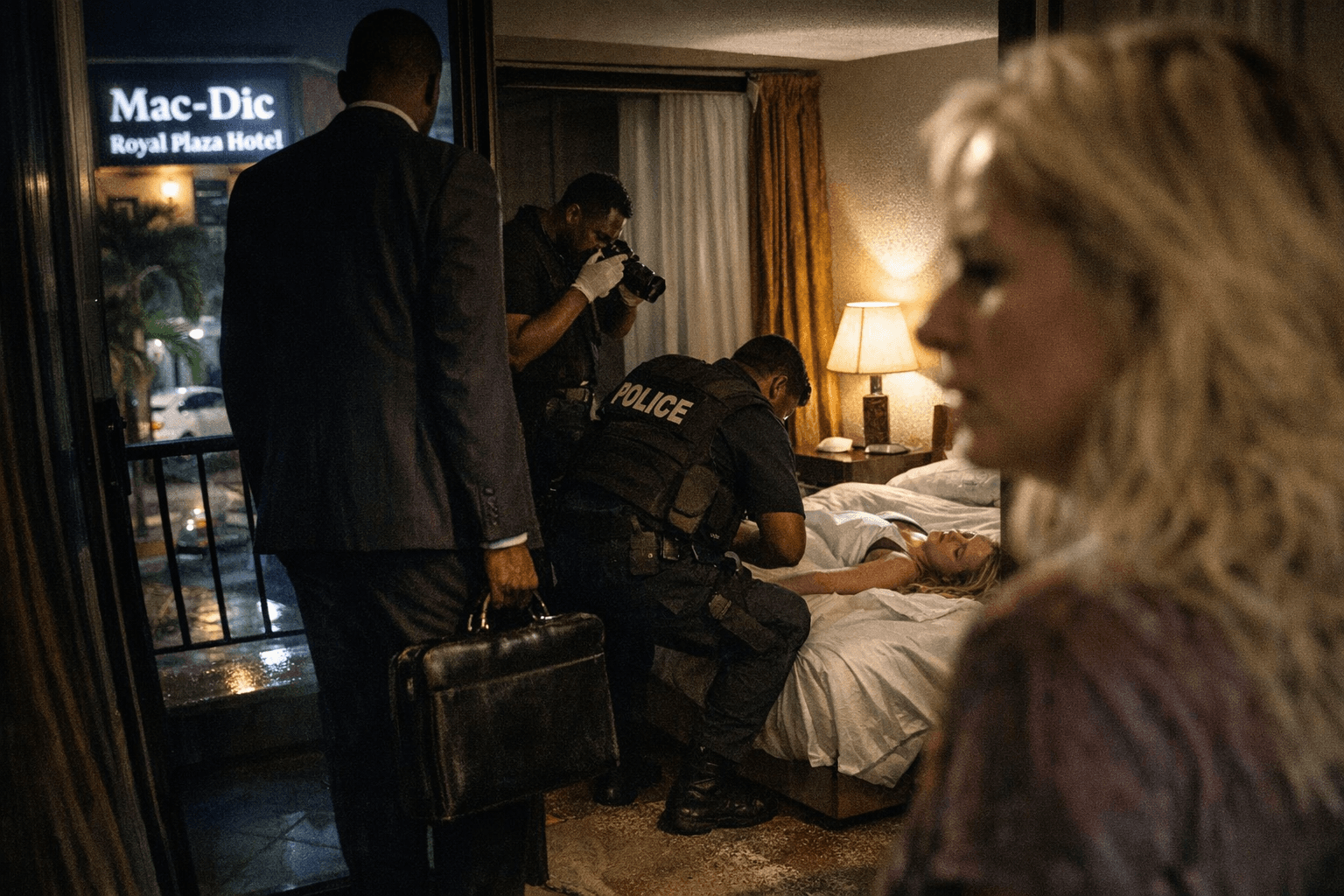
BBC Disclosure’s three-part series, presented by Myles Bonnar and due to begin on 13 April 2026, revisits the night Charmain Speirs was found lifeless in a hotel bathroom at the Mac-Dic Royal Plaza Hotel in Koforidua after she failed to check out at midday on 20 March 2015. Hotel staff recall visitors arriving late and helping load bags into Eric Isaiah Adusah’s car; one witness told the programme two tall men, one carrying a briefcase, stayed for up to an hour in Room 112, details that are absent from Adusah’s police statement.
The medical record from Ghana recorded the cause of death as acute opiate, commonly reported as heroin poisoning. The body was embalmed in Ghana and returned to the United Kingdom, where Home Office pathologist Dr Charlotte Randall carried out a second post‑mortem about eight months later and also recorded acute opiate poisoning while noting that decomposition and embalming limited what could be established. Reporting and contemporaneous Ghanaian press at the time described gaps in the availability of the original Ghanaian autopsy paperwork and toxicology results during the prosecution phase.
Criminal proceedings in Ghana began with Adusah’s arrest in April 2015 on suspicion of murder and remand by the Ghana Police Service CID, but prosecutors later discontinued the case after the Office of the Attorney‑General, under Marietta Brew Appiah‑Oppong, advised there was insufficient evidence; a magistrate discharged Adusah in late October 2015. A UK inquest at Chelmsford by Senior Coroner Caroline Beasley‑Murray in August 2016 returned an open conclusion, noting "we shall never quite know what happened", and thus neither unlawful killing nor suicide or accident was recorded.
BBC Disclosure says police records contain witness statements that differ from Adusah’s later account: some witnesses reported three men at the hotel that night and one of those men was never traced. A retired Scottish detective cited in coverage described the omission of those visitors from Adusah’s police statement as suspicious and a meaningful gap in the original inquiry. One hotel worker who spoke to the programme used a pseudonym when giving a detailed account of the visitors and the loading of luggage into Adusah’s vehicle.
The programme also traces Adusah to Maryland in the United States, where he is reported to continue preaching with Global Light Revival, and includes testimony from several women who say they were former partners and describe abusive or controlling behaviour. Charmain’s mother, Linda Speirs, has repeatedly rejected the heroin finding and has campaigned for a fresh probe; campaigners and commentators in Ghana published op‑eds and petitions in 2025 and 2026 calling for a review of evidence handling and investigative decisions.
Key unanswered questions remain: the identity and role of the untraced man or men seen at Mac-Dic on 20 March 2015, the chain of custody and completeness of Ghanaian autopsy and toxicology paperwork, and whether retained samples can be re‑examined given embalming and the passage of time. With renewed public debate in both the UK and Ghana and renewed calls from the Speirs family for answers, the central accountability test is straightforward: will the Ghana Police Service and the Office of the Attorney‑General formally clarify the missing lines of inquiry and the whereabouts of the untraced visitor or visitors.
This article was produced by Prism’s automated news system from verified source data, official records, and press releases, then run through automated quality and moderation checks before publishing. The system is built and supervised by the people who set the standards it runs under. Read our full AI policy.
Did this article answer your question?