BBC uncovers Ugandan dog rescue scam draining overseas donations
A rust-coloured dog called Russet was reused in hundreds of fundraising pleas, helping a Mityana scam pull overseas donations while the animal never recovered.
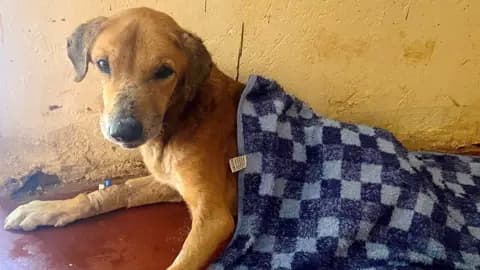
A rust-coloured dog nicknamed Russet became the face of a cross-border donation scam after a 15-second video posted on 8 January last year was copied into hundreds of fundraising appeals. Over the next three weeks, the same dog appeared in campaigns run by at least a dozen accounts, and thousands of dollars flowed in from well-meaning animal lovers abroad.
BBC Africa Eye’s investigation, Save Our Dogs: Inside Uganda’s Rescue Scam, traced the operation to Mityana, Uganda, where sham pet shelters and rescue accounts used distressing images and videos of dogs to solicit money. The investigation showed how quickly emotional rescue content could be amplified online, turning a single suffering animal into a fundraising prop for audiences thousands of miles away in the United Kingdom and beyond. BBC journalists could not conclusively establish what caused Russet’s injuries, but the dog’s condition never improved in the weeks the clip kept circulating.
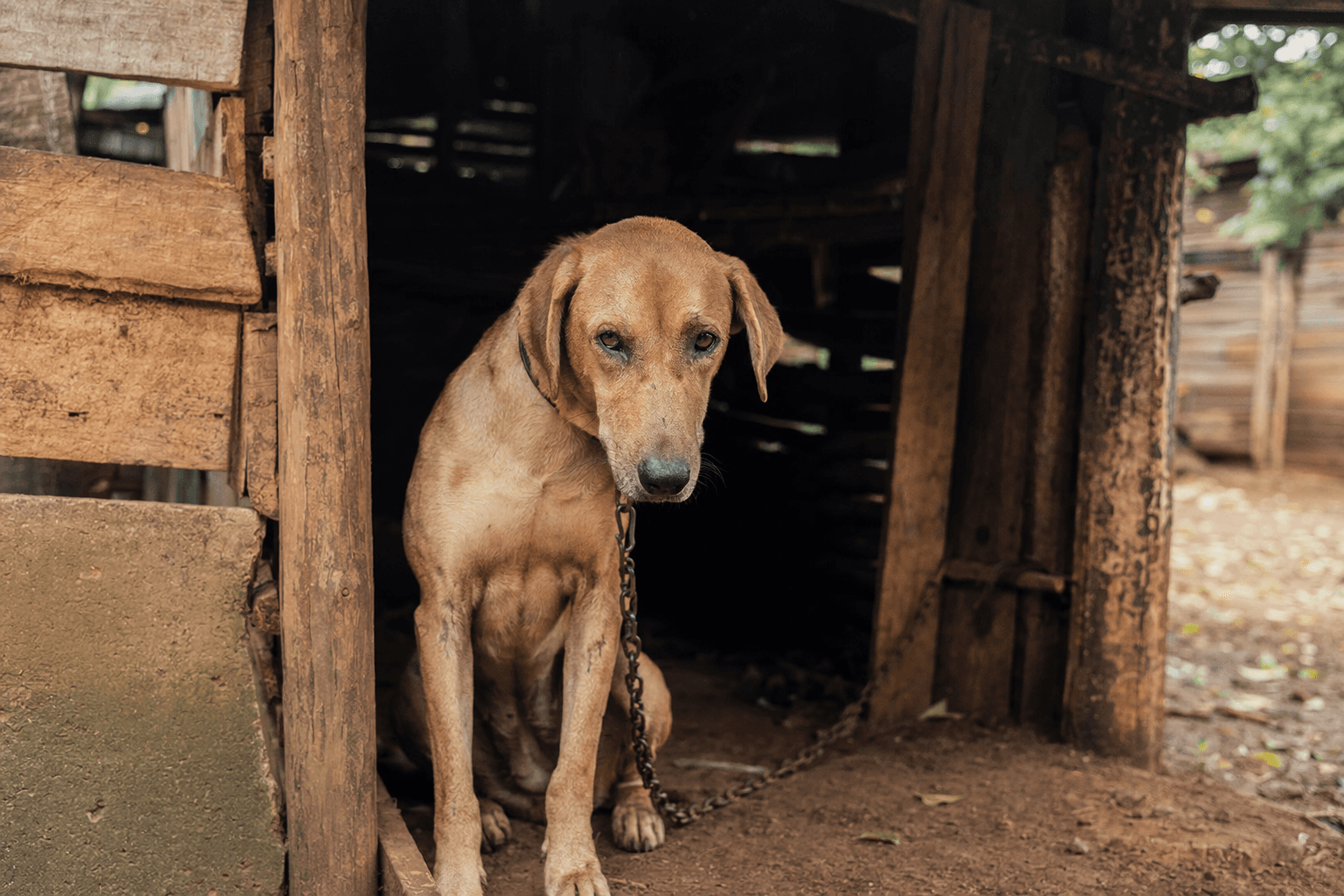
The pattern went well beyond one animal. BBC reporting indicated that scammers recycled the same or similar material across multiple appeals, a tactic that made the fraud hard to spot for donors who believed they were paying for treatment, food or shelter. Local reporting in Uganda has described a wider market in which genuine shelter photographs, footage from dog events and even overseas collaborators are used to make fake charities look credible. Names including Melissa Kay, Dr Dickson Tayebwa, Sophia Loren, Maureen Nakatudde and Vetconekt Initiative Ltd sit within the broader online ecosystem surrounding the story, underscoring how many identities can be folded into a rapid-fire donation pitch.
The mechanics are straightforward and hard to police. Watchdog Uganda says fake animal charities often lean on PayPal and foreign intermediaries to collect money because PayPal is not operational in Uganda, creating a channel that can move donor funds across borders with little immediate scrutiny. The same outlet advises donors to check registration with the Uganda Registration Services Bureau and verify licensing from the Ministry of Agriculture, Animal Industries and Fisheries before giving. New Vision has also reported that some shelters now bar photography and filming without permission after scam operators began reusing legitimate images.
BBC Africa Eye, which has run investigative reporting across Africa since 2018, has exposed a scheme built on the same emotional reflex every rescue appeal tries to trigger: sympathy first, verification later. In Mityana, that order has proved costly.
This article was produced by Prism’s automated news system from verified source data, official records, and press releases, then run through automated quality and moderation checks before publishing. The system is built and supervised by the people who set the standards it runs under. Read our full AI policy.
Did this article answer your question?