BBC visits London insect farm turning food waste into animal feed
Under railway arches in central London, Entocycle turned food waste into protein-rich feed with black soldier fly larvae. The business case is now colliding with regulation.
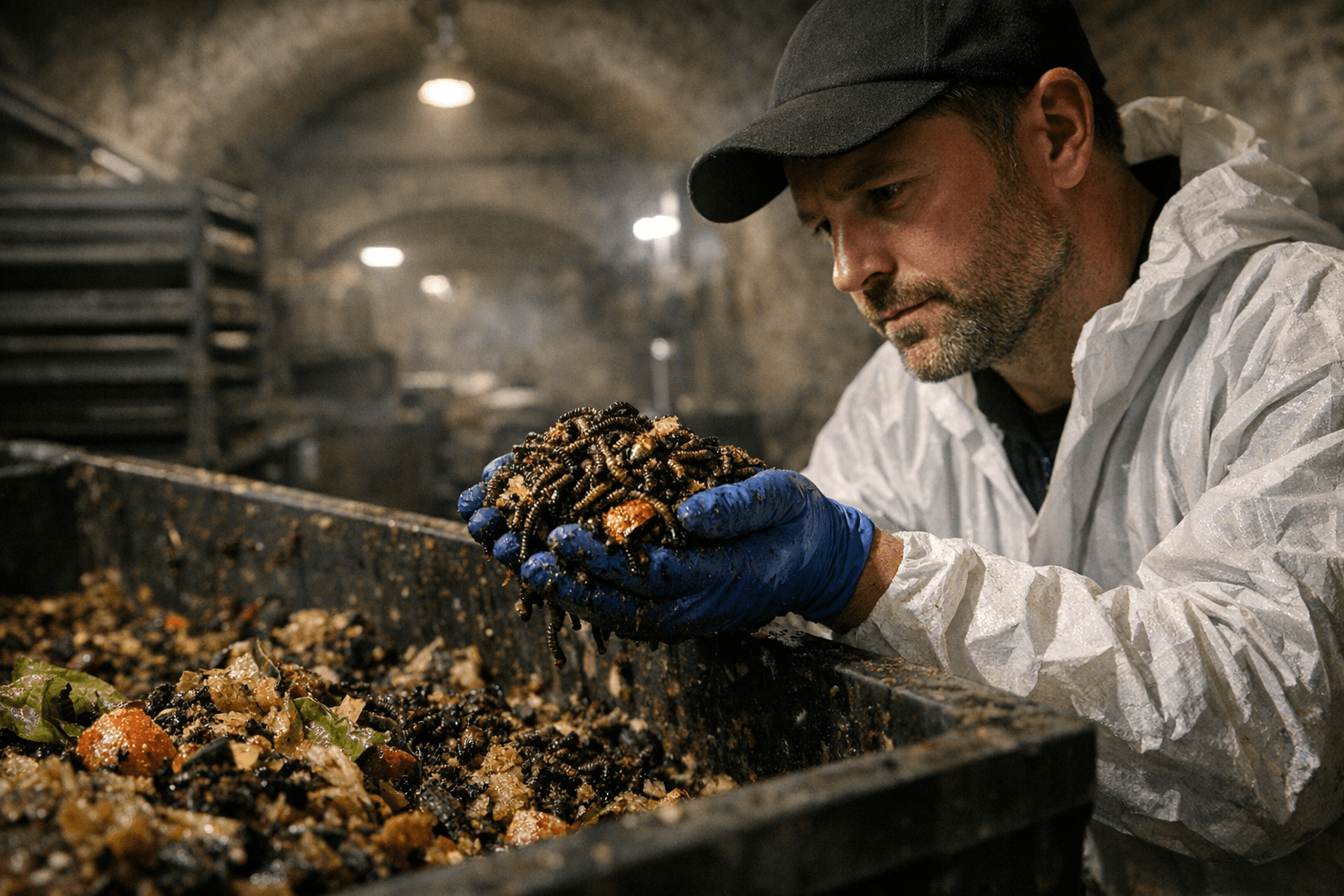
Under railway arches in central London, Entocycle has been testing whether food waste can be turned into a scalable source of animal feed, not as a laboratory curiosity but as an industrial process with climate and food-security implications. The London site, called the Centre for Insect Technology, uses black soldier fly larvae to convert discarded food into protein-rich material for animals, placing the company at the center of a wider push to cut reliance on soy and fishmeal.
The project was brought into public view when Alasdair Keane visited the underground insect farm for the BBC’s Tech Now episode, Inside the High-Tech Insect Farm, which aired on BBC iPlayer in March 2026. The same episode also featured Lara Lewington meeting a team building a smarter stethoscope and Grace Ekpu reporting on the use of AI and satellite data to track fishing vessels around the world, but the insect-farm segment was the clearest window into how far the sector has progressed from novelty to infrastructure.
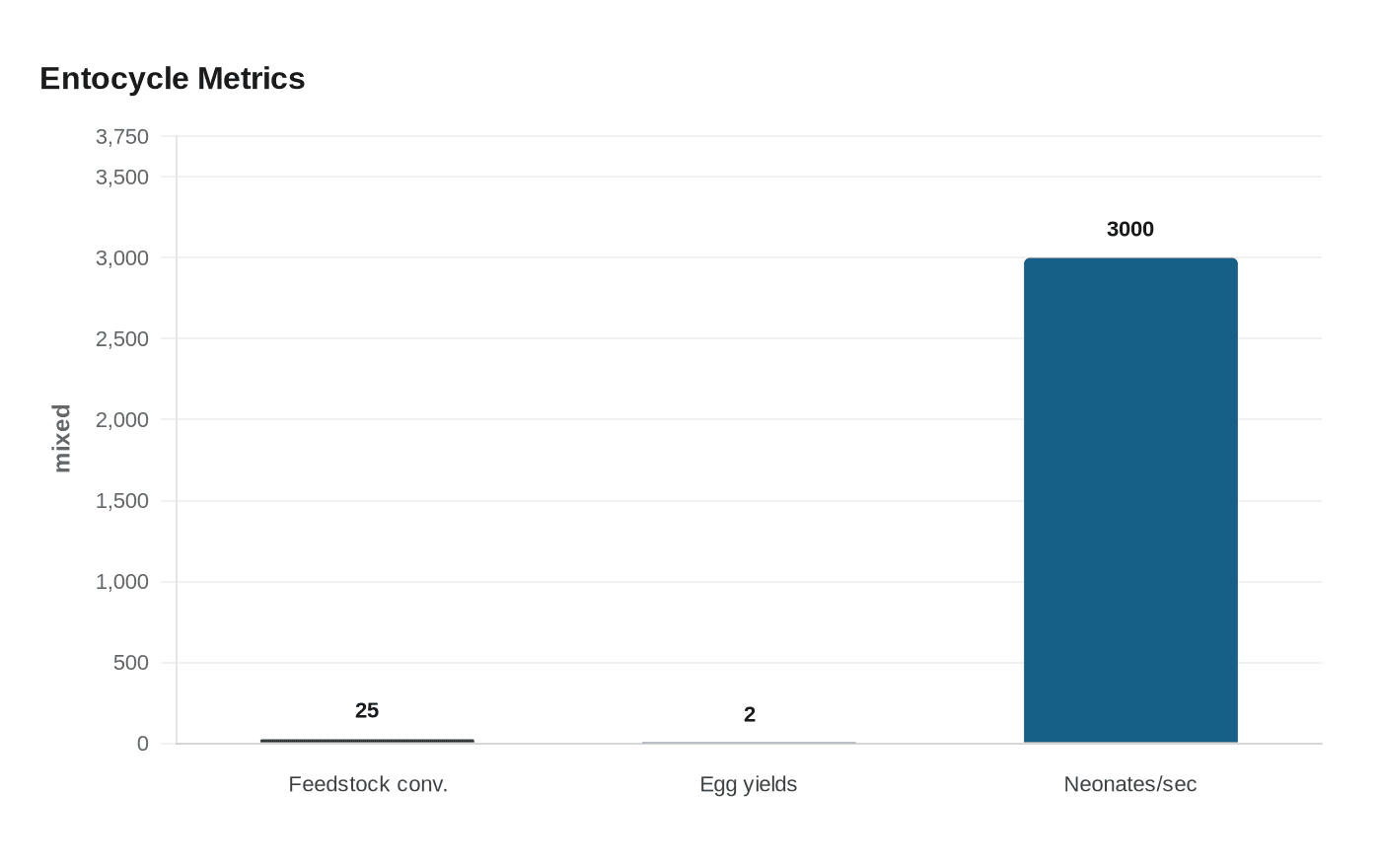
Entocycle says its Centre for Insect Technology is its flagship modular research and development facility. The company says the system has achieved a 25% average feedstock conversion rate, doubled egg yields and pioneered high-speed optical dosing of 3,000 neonates per second. Those figures matter because insect farming has to compete on volume, consistency and cost if it is to move beyond niche applications.
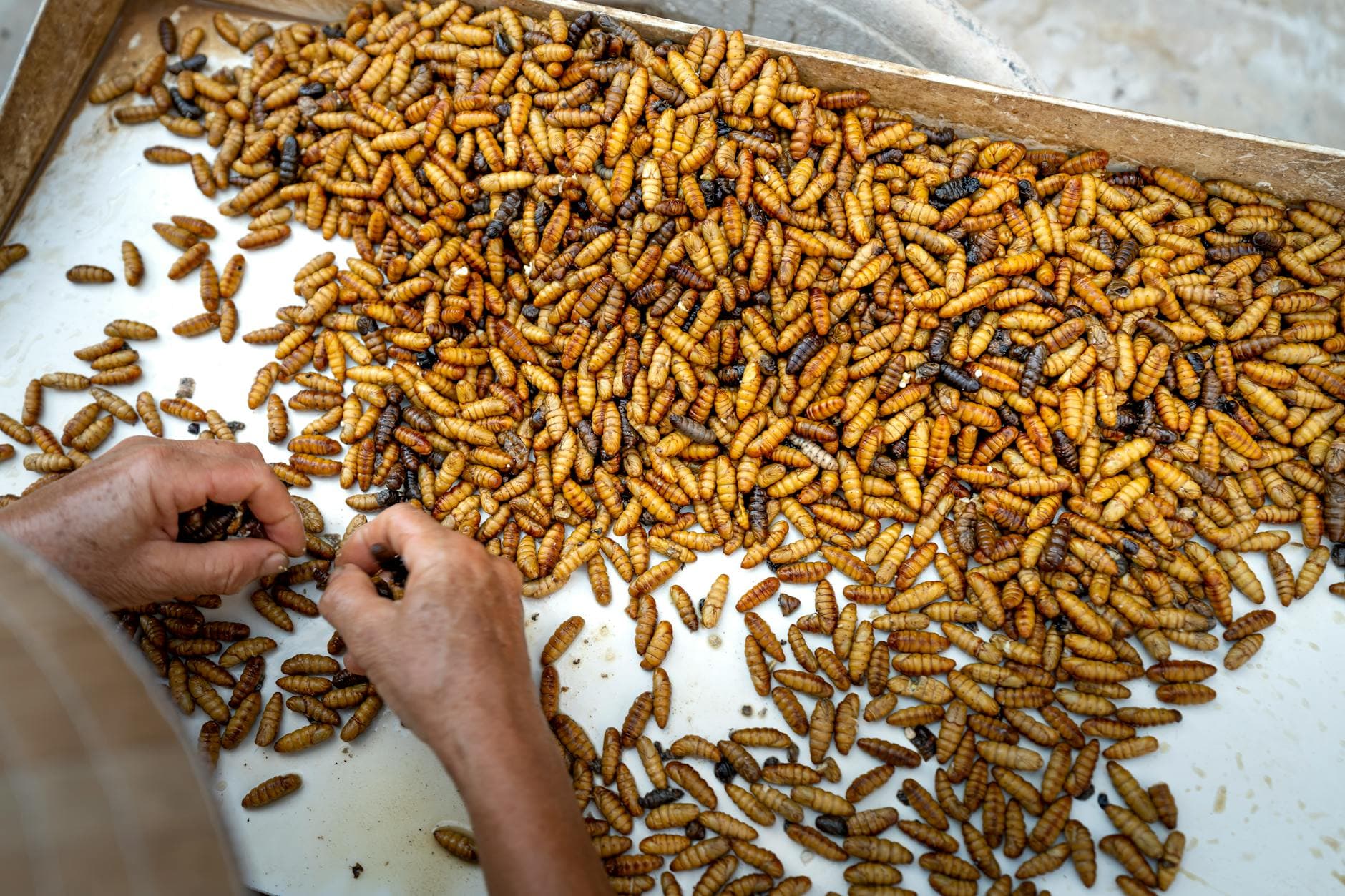
The broader case for the technology is straightforward. Black soldier fly larvae can feed on organic waste and be processed into feed and fertilizer, potentially easing pressure on land and oceans while creating a local protein source. Reuters reported in February 2024 that Entocycle was using the larvae to turn food waste into feed for chickens and pigs, and founder and chief executive Keiran Whitaker argued that the UK’s heavy dependence on imported protein feed created an opportunity for domestic production. British entomologist George McGavin has said insect farming can produce “seriously large amounts of protein” in a small space and in very little time.
But the economics still depend on regulation and reliable waste streams. Entocycle says UK insect-farming rules are still evolving. UK government import guidance allows processed animal protein from farmed insects for aquaculture, pet food, fur animals and technical use, while European rules have already opened the market further, including use in poultry and pig feed since 2021. Even so, a 2024 scientific review found that only some insect species can be farmed on food waste and that inconsistent supply and quality remain major barriers to scaling.
That leaves the London site as both a working demonstration and a test of whether insect protein can move from promising concept to repeatable industry. The technology may be well suited to a country looking for local sources of feed, but the next hurdle is not the fly itself. It is the system around it.
This article was produced by Prism’s automated news system from verified source data, official records, and press releases, then run through automated quality and moderation checks before publishing. The system is built and supervised by the people who set the standards it runs under. Read our full AI policy.
Did this article answer your question?