New Sombrero Galaxy Image Reveals Vast Halo and Star Stream
A new Chile telescope image shows the Sombrero galaxy's halo stretching about three times farther than its disk, plus a stream of stripped stars.
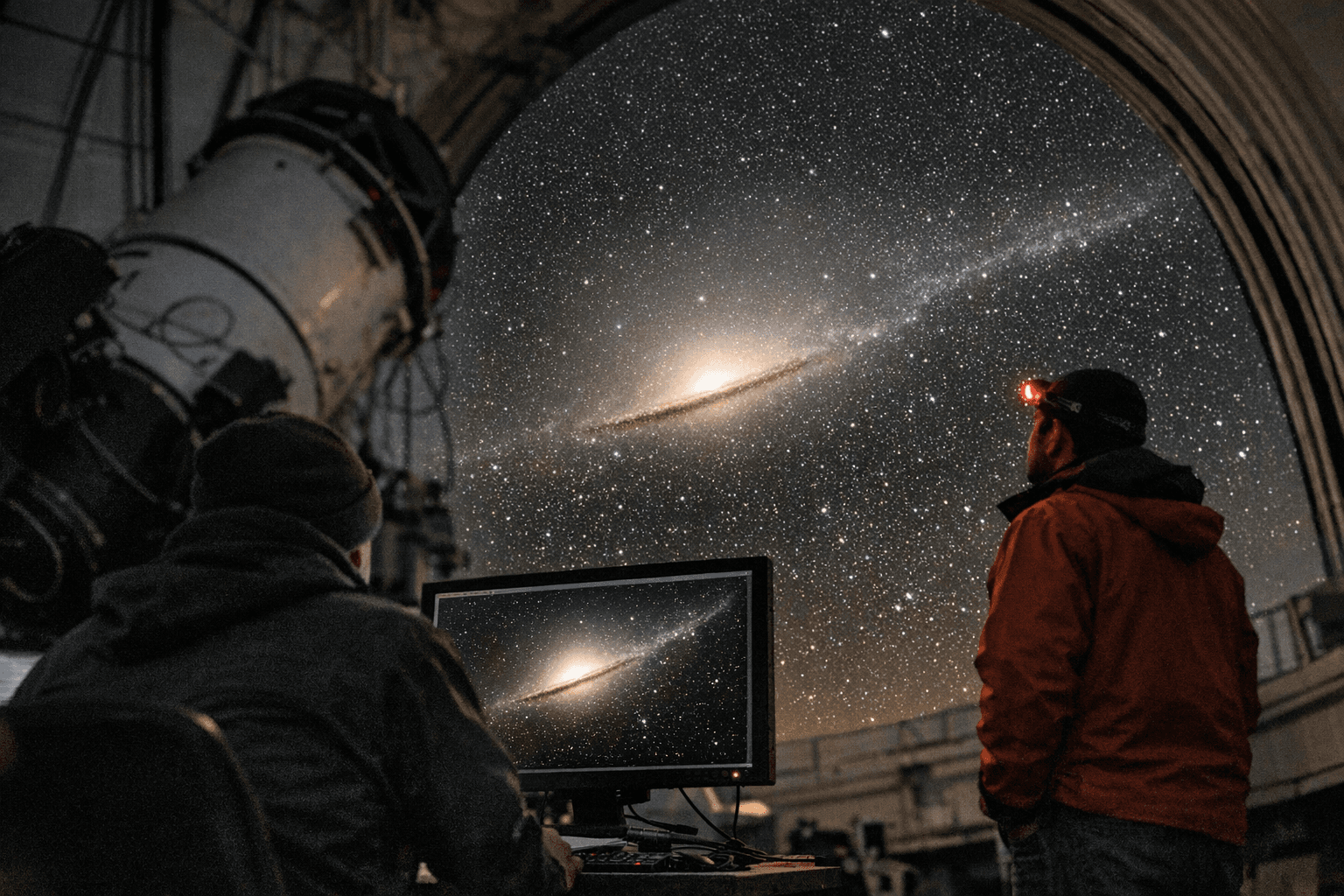
A Chile telescope has pushed the Sombrero galaxy beyond its familiar postcard look, revealing a sprawling halo of stars that appears to extend about three times farther than the galaxy’s bright disk. The new image, released by the U.S. National Science Foundation’s NOIRLab, shows Messier 104 as more than a tidy spiral with a glowing core. It is a layered system with faint outer reaches that now look rich enough to map.
The galaxy sits about 30 million light-years away and spans roughly 50,000 light-years across, but the fresh view suggests its full structure is even more expansive than earlier pictures made clear. The Sombrero has long stood out for its brilliant center and wide halo, which together make it resemble a celestial hat. What changed here is not the galaxy itself, but the ability to see its dimmer features well enough to study them.
That extra reach matters because the telescope also captured a stream of stars spilling from the galaxy’s southern edge. Astronomers believe those stars, along with much of the halo, were stripped from other galaxies during a long-ago collision. In practical terms, the image gives scientists evidence of how Messier 104 grew, piece by piece, through mergers and accretion rather than by quiet isolation. The halo and star stream are not just decorative features. They are records of past encounters written across the sky.
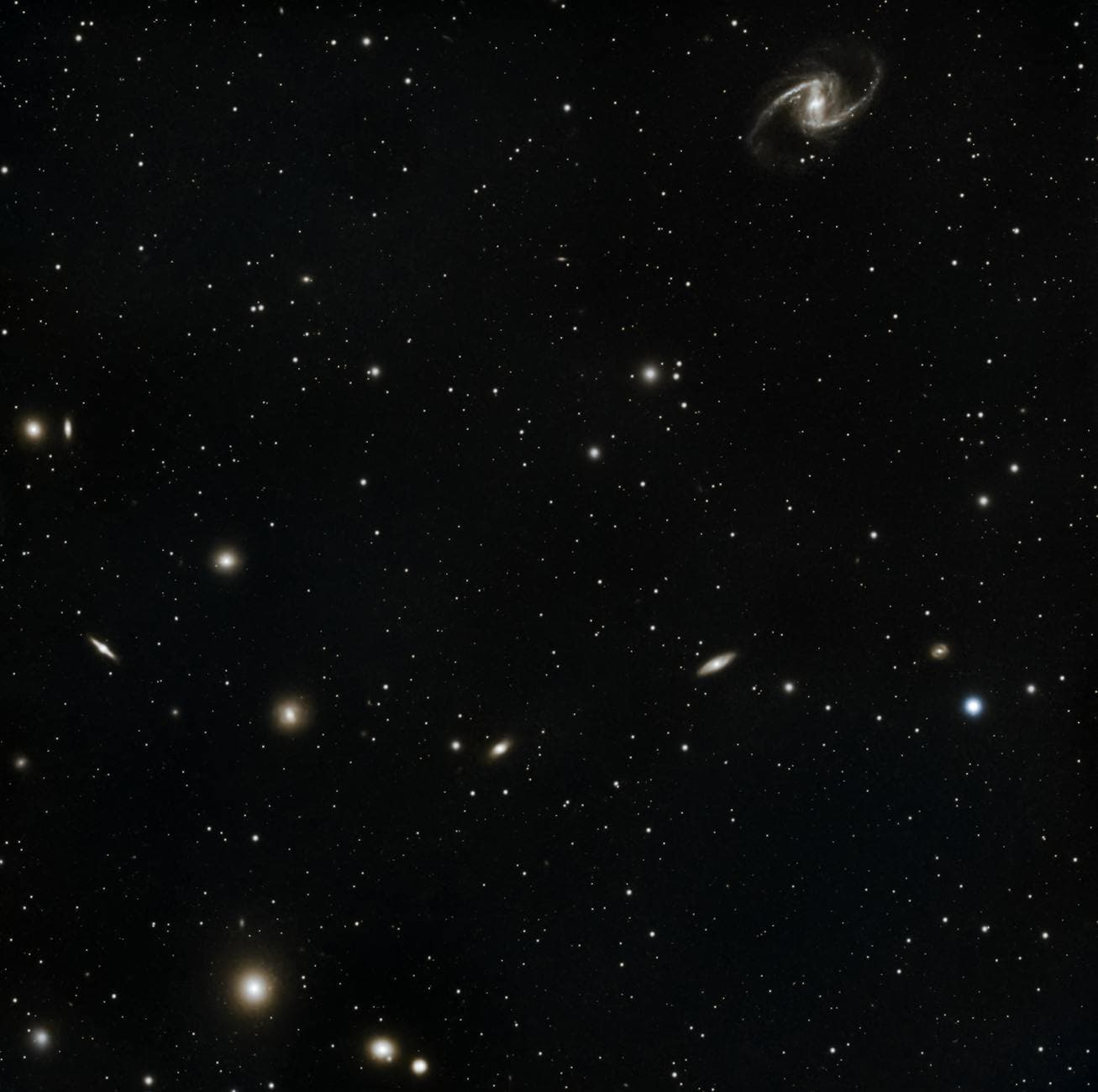
The image also shows how much value can still come from older observations when technology catches up to the data. The telescope collected the underlying observations four years ago, and the color imaging was completed only this week. That kind of reprocessing turns a beautiful photograph into usable astronomy, revealing faint structures that once blended into darkness. For a galaxy first discovered in the 1700s, the Sombrero is still yielding new evidence about how large galaxies assemble, collide and leave debris behind in their outer halos.
This article was produced by Prism’s automated news system from verified source data, official records, and press releases, then run through automated quality and moderation checks before publishing. The system is built and supervised by the people who set the standards it runs under. Read our full AI policy.
Did this article answer your question?