Singapore Emerges as Neutral Hub for AI Firms Amid U.S.-China Rivalry
Chinese startups want distance from Beijing, U.S. firms want easier talent access, and Singapore is turning that squeeze into a business advantage.
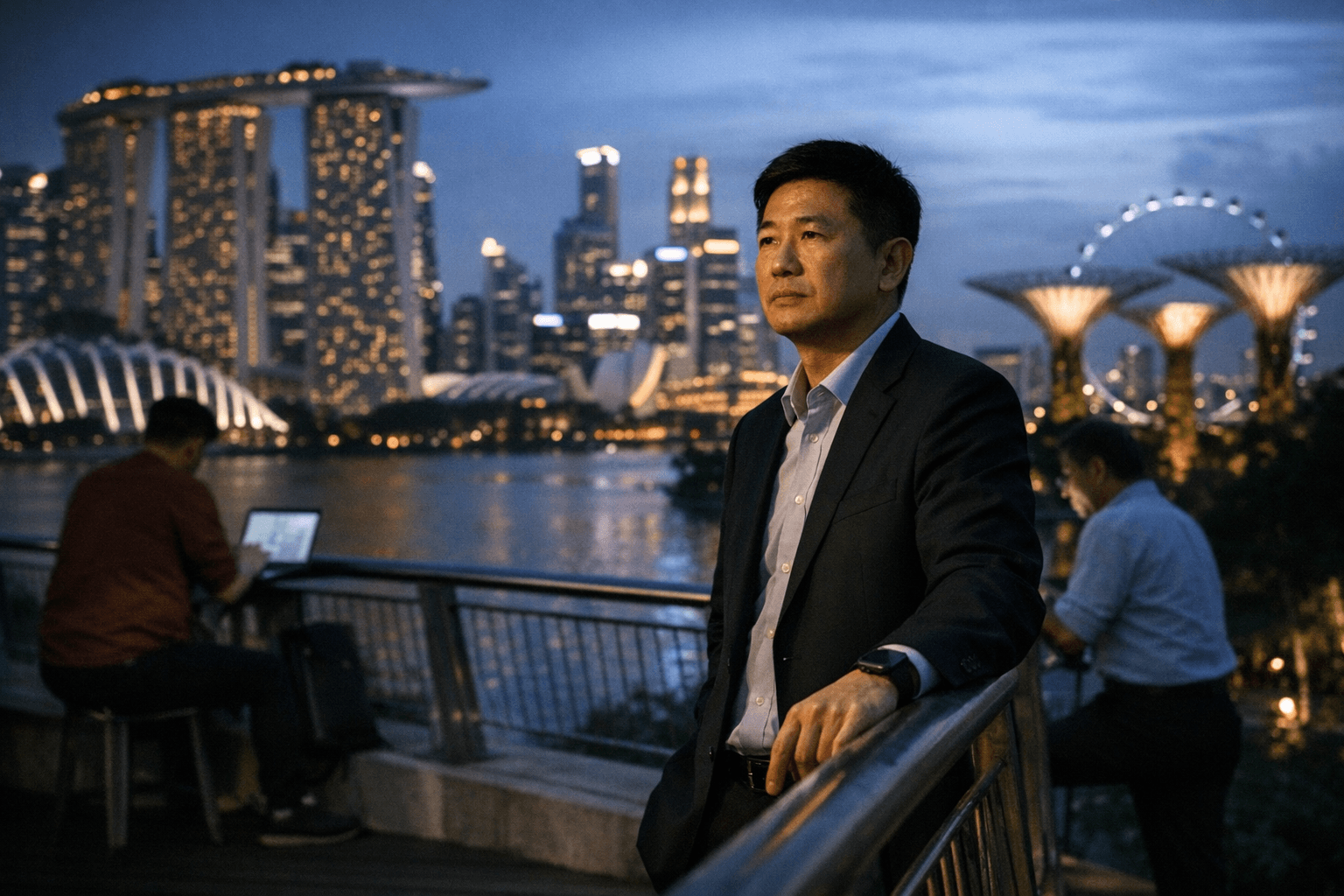
Singapore is becoming more than an East-West stopover for tech companies. As U.S.-China rivalry hardens, AI firms are increasingly treating the city-state as a pressure valve, a place to raise money, hire talent and serve regional customers without immediately choosing between Washington and Beijing.
The appeal is practical as much as political. Chinese startups want to operate beyond government reach, while U.S. firms want foreign talent without the headache of stricter visa rules. Brad Gastwirth, global head of research at Circular Technology, said Singapore is increasingly becoming a neutral hub for AI companies from both the U.S. and China. Companies already active in Singapore with ties to both sides include Workato, Addepar, Plaud AI and Harvey AI.
Singapore has spent years building the policy and institutional scaffolding for that role. It launched its first Model AI Governance Framework in January 2019, updated it in 2020, and proposed a GenAI governance framework in January 2024. The government formally launched the Model AI Governance Framework for Generative AI on 30 May 2024, giving companies clearer ground rules on how to deploy AI in a market that prizes predictability. Singapore’s total population stood at 6.11 million as of June 2025, a small base that nonetheless supports a dense concentration of talent, capital and multinational headquarters.
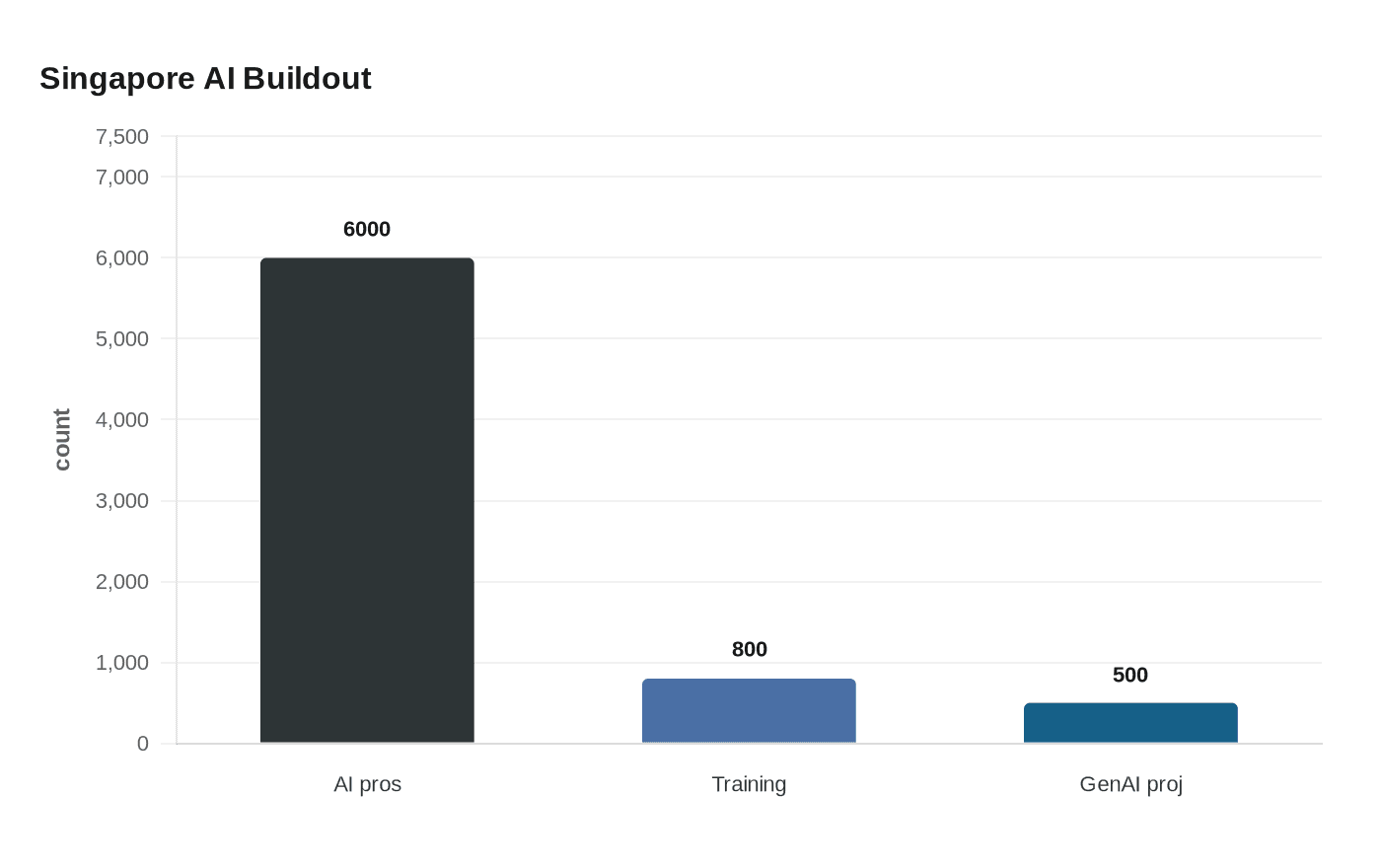
The scale of the AI buildout is already visible. Singapore’s government said in 2025 that more than 6,000 AI professionals were in the country, alongside plans for 800 new AI training opportunities over three years and 500 GenAI projects in 12 months. The Singapore Economic Development Board has gone further, describing the country as a “digital Switzerland” in the superpower rivalry, a formulation that captures the city-state’s wager that neutrality itself can be sold as an economic asset.
That wager is being tested by corporate behavior. Chinese AI firm Manus AI moved to Singapore and began recruiting there amid U.S. chip curbs, and later coverage said it had redomiciled there before Meta acquired it in December 2025 for US$2 billion. The sequence shows how Singapore can function not just as an office location but as a corporate base for firms trying to navigate export controls, capital access and regulatory scrutiny at the same time.
The bigger question is whether neutral ground can stay neutral. As the United States and China tighten their red lines on chips, data and talent, Singapore’s role will depend on whether it can keep offering both sides enough confidence to operate there without becoming the next battleground.
This article was produced by Prism’s automated news system from verified source data, official records, and press releases, then run through automated quality and moderation checks before publishing. The system is built and supervised by the people who set the standards it runs under. Read our full AI policy.
Did this article answer your question?