John Ternus Faces Same Challenges Tim Cook Has Grappled With for Years
Apple’s next CEO inherits an iPhone giant still behind in AI, squeezed in China, and under pressure to find growth beyond the handset.
Apple named John Ternus its next chief executive and set up a transition that puts a 50-year-old hardware veteran in the same strategic vise Tim Cook has managed for years: defend the iPhone, widen the company’s advantage in China, and prove Apple can still invent the next big thing. Ternus, who joined Apple in 2001 and helped steer the revival of the Mac while shaping iPads and AirPods, will take over on September 1, while Cook moves to executive chairman.
The hardest test is artificial intelligence. Apple has remained a $4 trillion company while sitting on the sidelines of the AI boom, but investors have grown impatient with a strategy that has left it lagging megacap peers. Apple has leaned on Google’s Gemini to improve Siri after a delay, while ChatGPT and Anthropic’s Claude have become the two most popular free iOS apps. Apple says some AI workloads will eventually run on chips inside the phone, a plan that fits its hardware strengths but does not yet amount to a clear answer to the broader AI race.
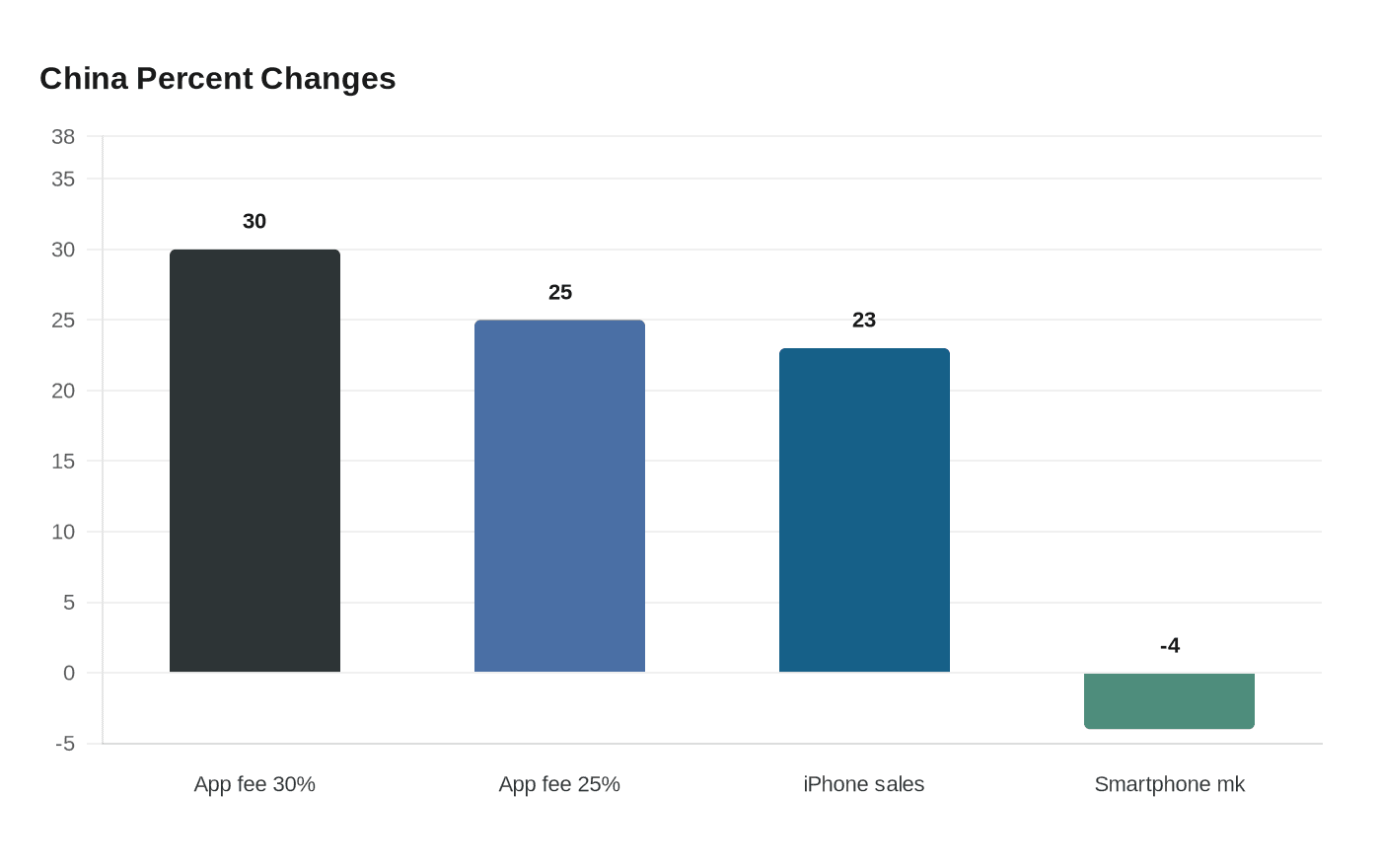
China is no easier. Cook boosted Apple’s market value by $3.6 trillion over his 15 years at the helm, but the company still faces geopolitical tension, rising memory costs tied to the AI buildout, and a heavy dependence on a market that remains both a factory base and a sales engine. Apple cut mainland China App Store commissions from 30 percent to 25 percent in March after pressure from regulators, and lowered smaller developer and mini-app rates as well. At the same time, iPhone sales in China jumped 23 percent in the first nine weeks of 2026 even as the broader smartphone market fell 4 percent, underscoring how deeply Apple still relies on a single product in a volatile market.
Regulatory pressure now sits alongside product risk. Apple’s App Store fee cut in China followed discussions with regulators and added to a global pattern of antitrust scrutiny around the company’s ecosystem, from payments to app distribution. That makes Ternus’ mandate larger than another polished hardware cycle. He has to show that Apple can grow without merely stretching the life of the iPhone, and that its next era will be built on more than incremental upgrades to a device that already defined the last one.
This article was produced by Prism’s automated news system from verified source data, official records, and press releases, then run through automated quality and moderation checks before publishing. The system is built and supervised by the people who set the standards it runs under. Read our full AI policy.
Did this article answer your question?