Beijing’s new trade rules test U.S. resolve before Trump-Xi summit
Beijing’s April trade rules could punish foreign firms that shift sourcing away from China, just as Trump and Xi prepare to meet in May.

Beijing is using the weeks before the Trump-Xi summit to put new legal pressure on companies that want to reduce dependence on China. The move gives the Chinese government a practical way to shape procurement decisions, not just signal policy, and it raises the cost for U.S. firms trying to move supply chains out of China.
China’s State Council released the Regulations on Industrial and Supply Chain Security on April 7, and the 18-article rules took effect immediately. The measures were framed as a response to supply-chain risks and a bid to strengthen resilience, but business groups and U.S. officials see them as a lever that could punish foreign entities that shift sourcing away from China. That matters because the rules come as President Donald Trump prepares for a May 14-15 summit with Xi Jinping in Busan, South Korea.
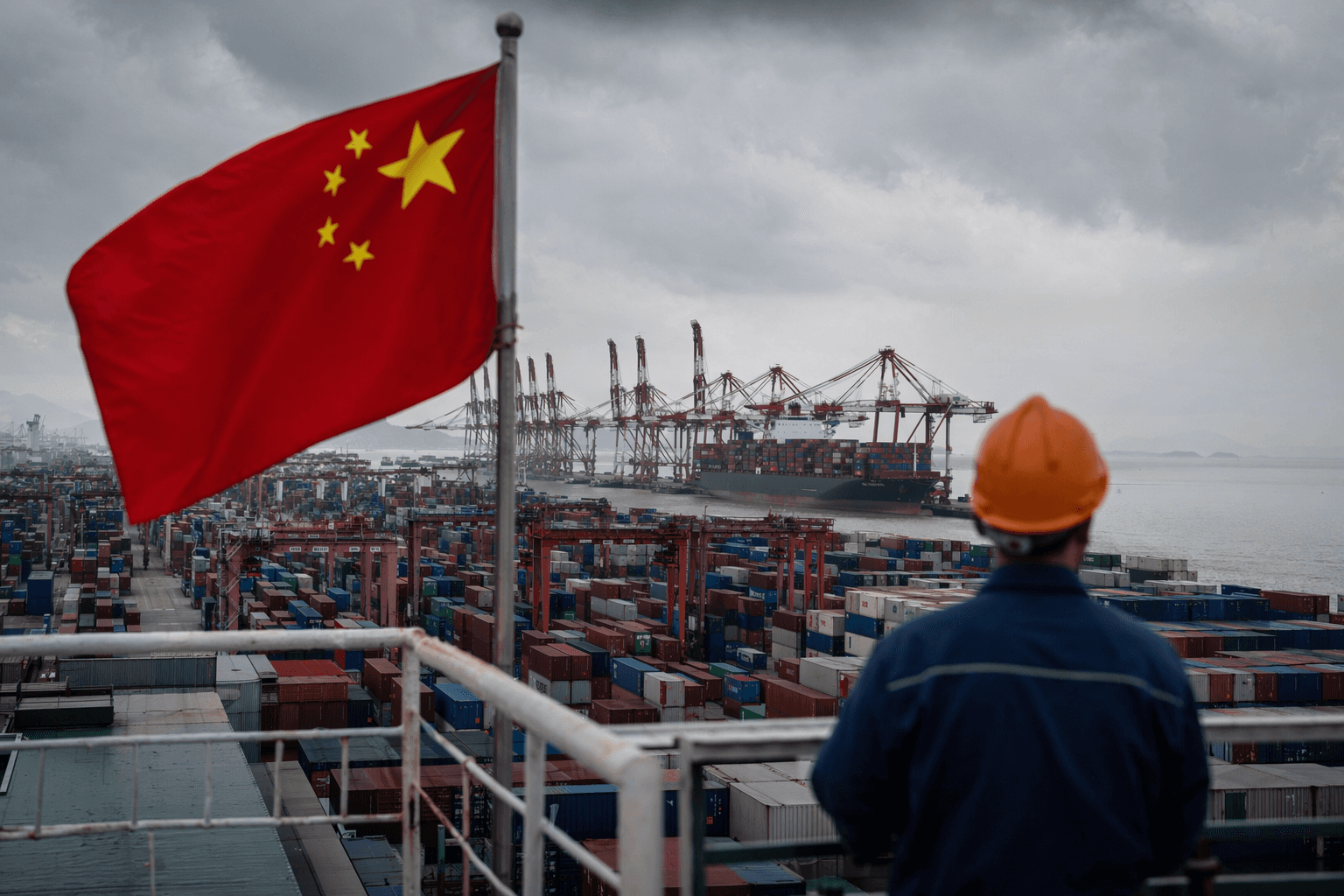
For Washington, the timing is awkward. The White House has stayed publicly quiet, even though the rules could undermine the broader U.S. push to derisk supply chains in minerals, medicines and other critical sectors. A U.S. official said the timing suggested Beijing was testing how eager Washington is to preserve the current trade truce rather than reopen a tariff fight. The truce is set to expire in November 2026, leaving both sides room to apply pressure while still signaling they want talks to continue.
The business community has taken the warning seriously. AmCham China said the new rules could let Beijing cut purchases from foreign firms with little consequence and expose companies to investigation if they diversify away from China. In its 2026 China Business Climate Survey, concern about China’s potential economic slowdown ranked first at 64 percent, ahead of U.S.-China tensions at 58 percent. The chamber’s 2026 White Paper runs more than 600 pages and reflects input from more than 200 member company representatives, underscoring how broad the unease has become.
The latest rules also fit a wider pattern. China has broadened legal leverage, supply-chain controls and critical-technology controls during the truce, tightening the environment for companies that are already trying to balance U.S. and European de-risking demands against Chinese market access. For global manufacturers, that leaves less room to hedge and more risk that each sourcing decision could become a political one.
This article was produced by Prism’s automated news system from verified source data, official records, and press releases, then run through automated quality and moderation checks before publishing. The system is built and supervised by the people who set the standards it runs under. Read our full AI policy.
Did this article answer your question?