Norway uncovers record Viking Age silver coin hoard, over 3,150 found
More than 3,150 Viking Age silver coins turned up near Rena, with English, German and Scandinavian pieces revealing Norway’s reach into wider European wealth.
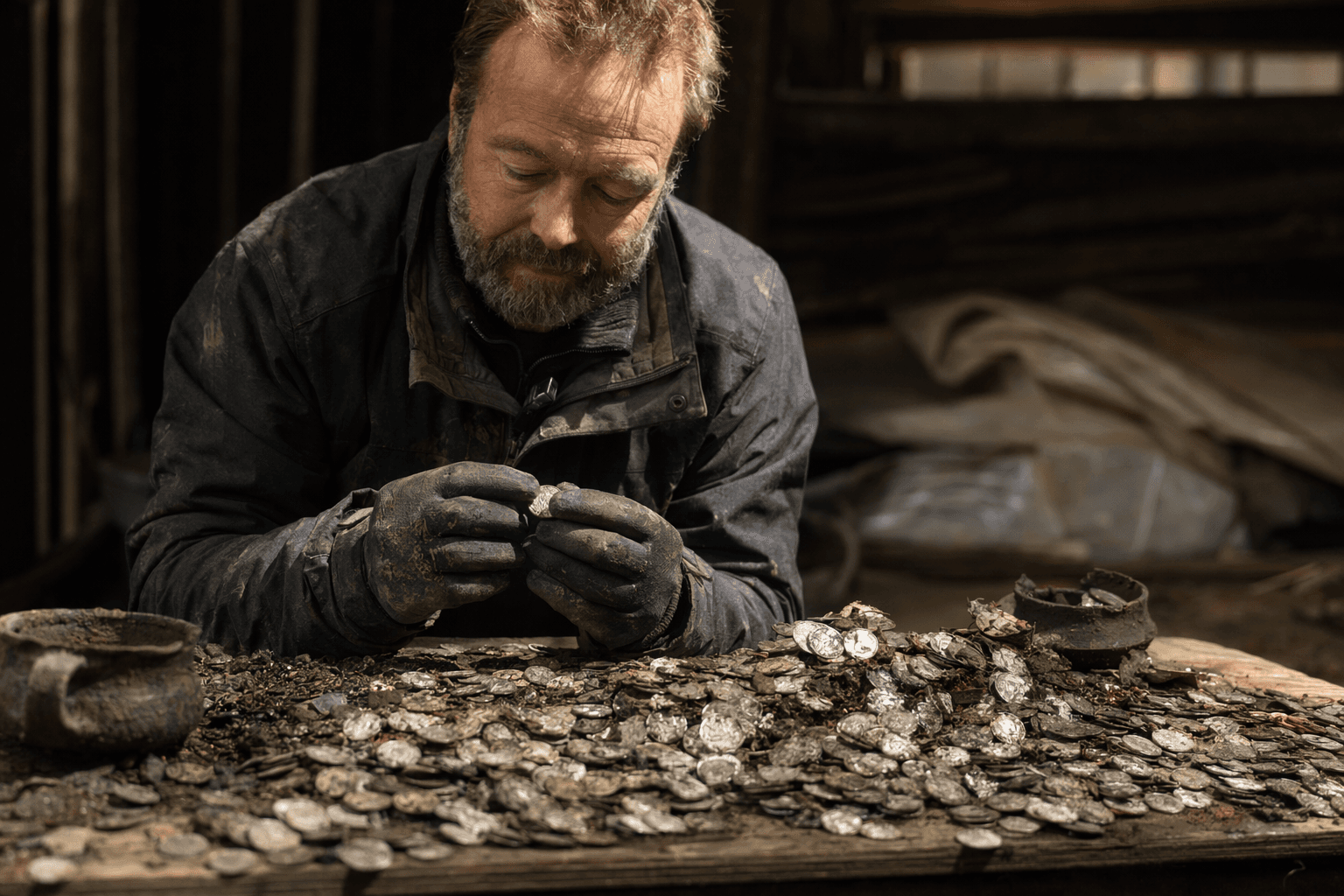
A field near Rena in Østerdalen has yielded the largest Viking Age silver coin hoard ever found in Norway, a cache of more than 3,150 coins that archaeologists say opens a rare window into power, travel and wealth in a turbulent era. The hoard, now called the Mørstad Hoard after the farm where it was found, is concentrated in coins from England and Germany, with smaller numbers from Denmark and Norway, showing how closely the region was tied to money flows far beyond its own borders.
The find began on April 10, when private metal detectorists Vegard Sørlie and Rune Sætre uncovered 19 silver coins in the field. Archaeologists were quickly brought in, and the count rose fast as more coins emerged over the following days. The Museum of Cultural History at the University of Oslo first said 2,970 silver coins had been recovered, then Innlandet County later updated the total to more than 3,150, with the search still continuing.
Experts have identified coins minted under rulers including Æthelred II, Cnut the Great, Otto III and Harald Hardrada. That spread places the hoard in a moment when Norway was linked to the economic and political currents of the wider North Sea world, including Anglo-Saxon England and the German lands, while also reflecting the rise of domestic royal power. Archaeologists believe the coins were likely deposited in the late 10th or early 11th century, before or around the time Harald Hardrada took power in 1046.
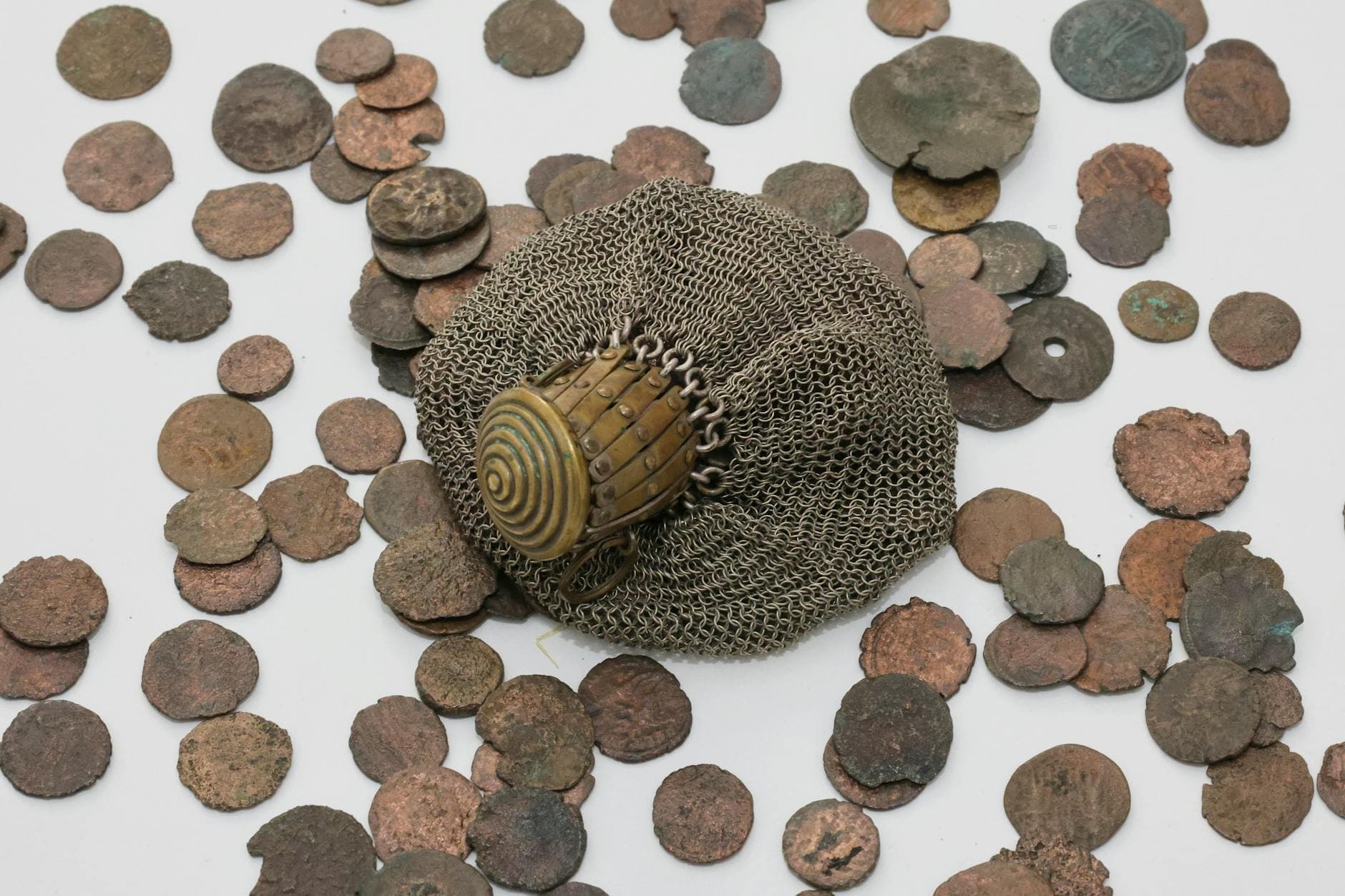
May-Tove Smiseth, the archaeologist responsible for metal detector finds in Innlandet County Municipality, called the discovery unprecedented and said the detectorists followed the regulations to the letter. The coins are also striking for their condition. The Museum of Cultural History said they are exceptionally well preserved and may look almost newly minted, possibly because the soil at the site contains very little stone.
The discovery is being examined in close cooperation among Innlandet County Authority, the Museum of Cultural History and the Directorate for Cultural Heritage. Finds of this type are automatically protected under Norway’s Cultural Heritage Act, a safeguard that places the public value of the hoard above private possession. Innlandet officials said the coins shed new light on Norway’s economy during a period marked by political upheaval, Viking expeditions and inflows of wealth from abroad. Norway’s climate and environment minister, Andreas Bjelland Eriksen, called it a historic find, underscoring that the story of these coins is not just one of burial and recovery, but of a Norway deeply connected to the trade and power networks of medieval Europe and the Islamic world.
This article was produced by Prism’s automated news system from verified source data, official records, and press releases, then run through automated quality and moderation checks before publishing. The system is built and supervised by the people who set the standards it runs under. Read our full AI policy.
Did this article answer your question?