Coroner rules British Army used excessive force in 1972 Belfast killings
A coroner ruled British Army soldiers used excessive force in the 1972 Springhill killings, finding they "overreacted" and "lost control".
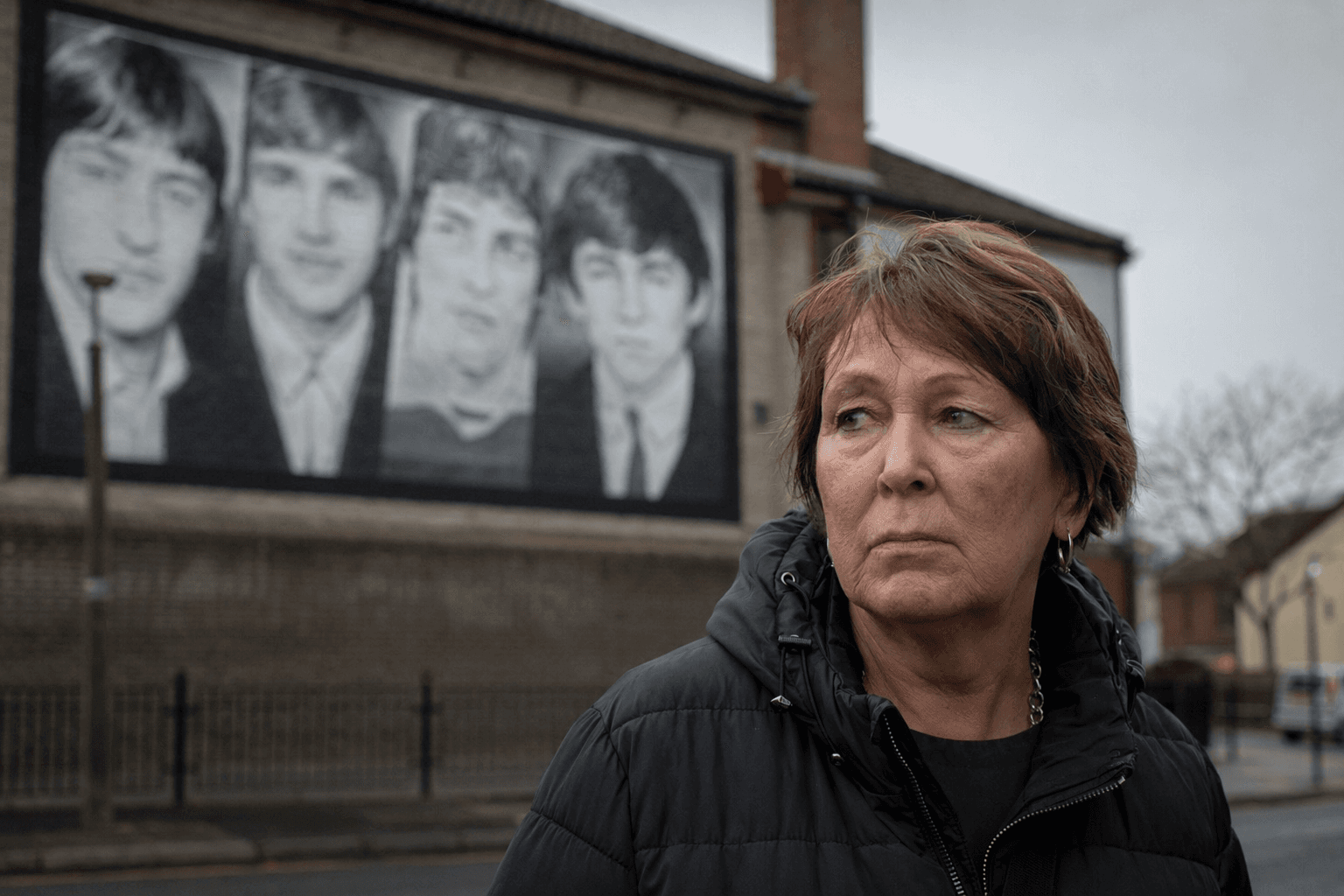
A coroner has ruled that British Army soldiers used excessive force when they shot dead five people in west Belfast’s Springhill estate, finding they “overreacted” and “lost control” during one of the darkest episodes of the Troubles.
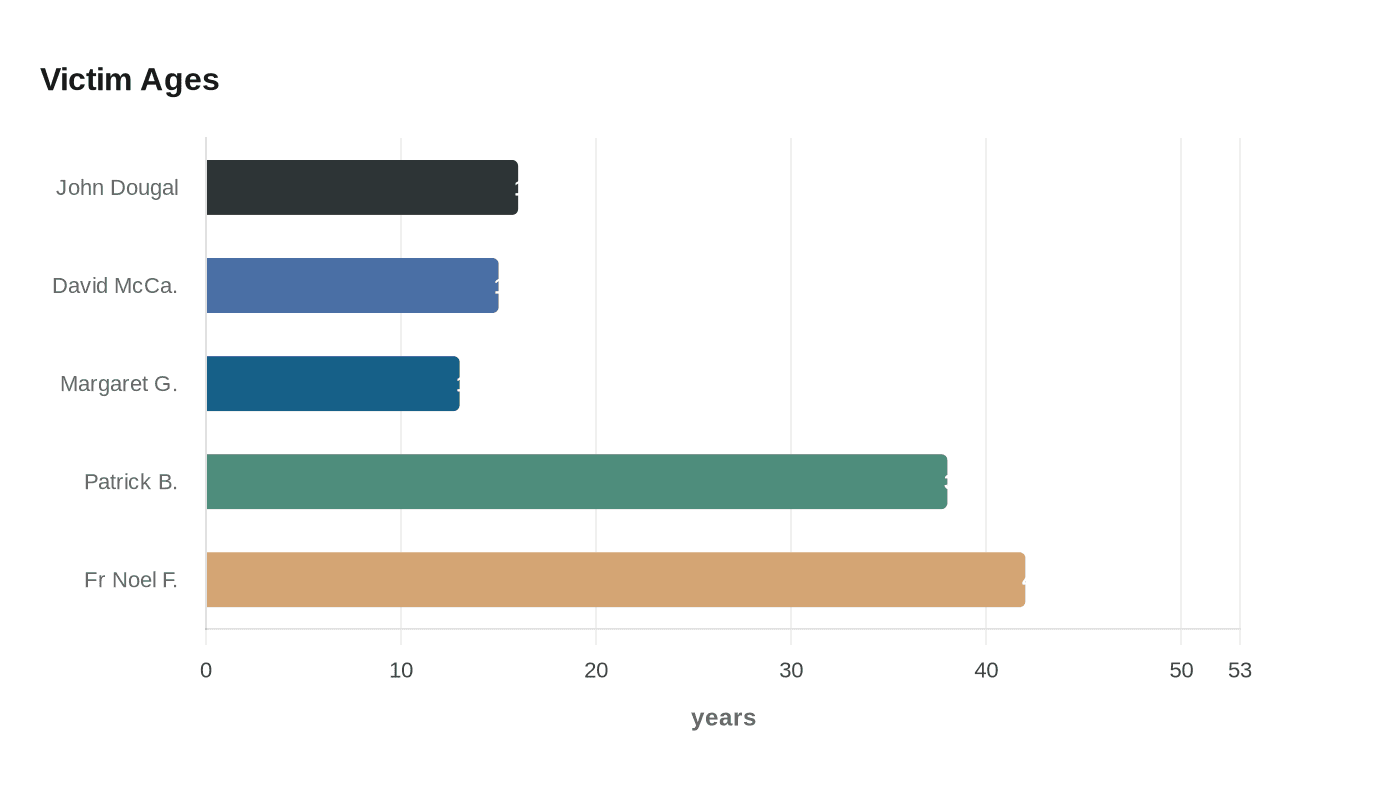
Mr Justice Scoffield said the soldiers did not use reasonable force in the shootings on 9 July 1972, when John Dougal, 16, David McCafferty, 15, Margaret Gargan, 13, Patrick Butler, 38, and Fr Noel Fitzpatrick, 42, were killed. Butler was a father of six. Two other people were injured in the attack, which became known as the Springhill/Westrock massacre.
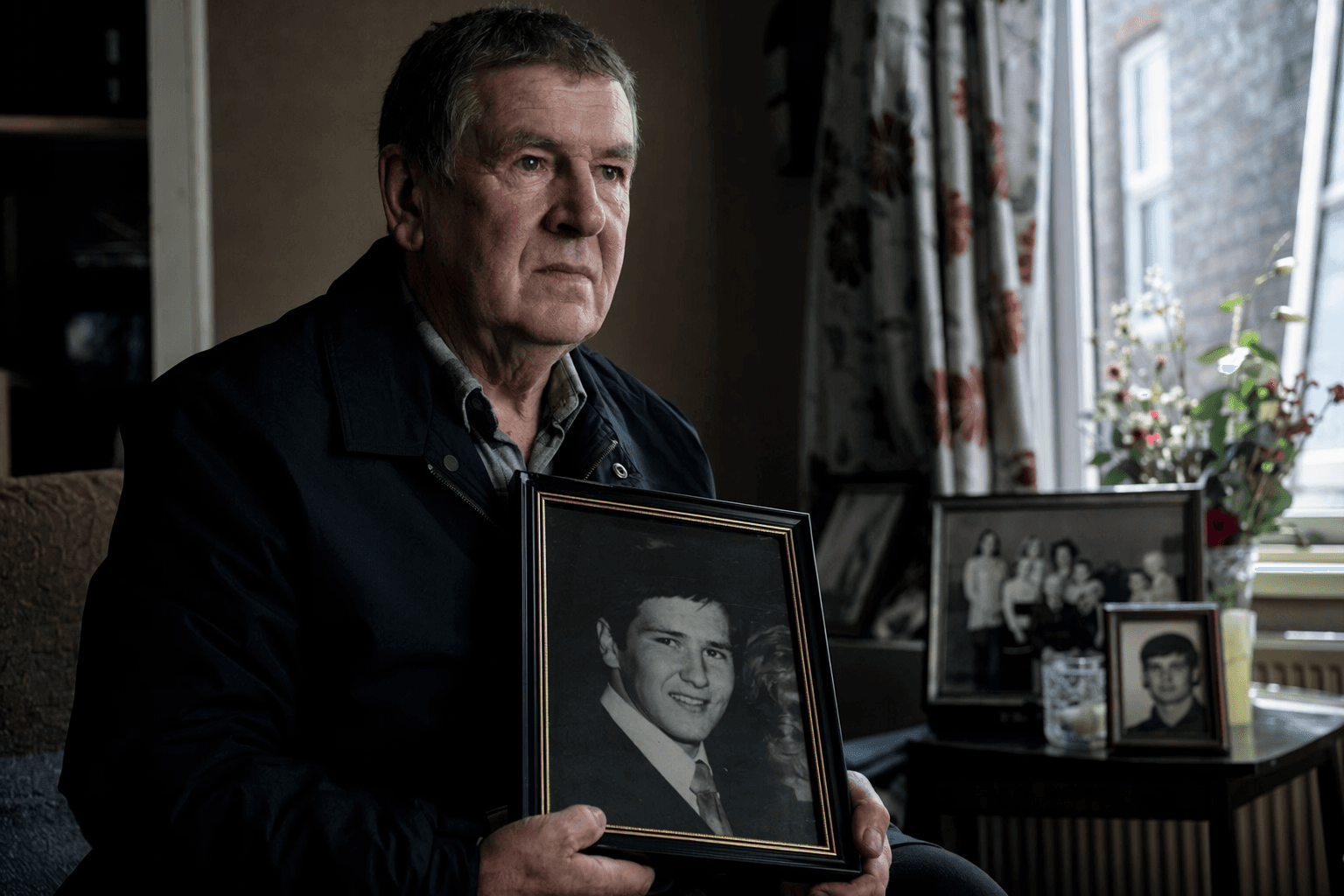
The ruling gives official weight to what families have argued for more than five decades: that their relatives were unarmed civilians and that the state’s version of events never fully answered how five people died in the Springhill estate, west Belfast. For the families, the case has always been about truth as well as loss. They have said the deaths “cast a long shadow” over their lives, and the coroner’s findings now reshape the historical record by rejecting the claim that the soldiers’ response was reasonable.
The inquest was reopened after Northern Ireland’s attorney general ordered a fresh probe in 2014, following a 1973 inquest that returned an open verdict. It was then fast-tracked because Troubles-related coroner investigations had to stop on 1 May 2024 under the UK government’s Legacy Act, making this one of the last such cases to reach conclusion.
The shootings took place during the bloodiest year of the Troubles. In 1972 alone, 472 people were killed in the violence, and the Springhill deaths became part of that grim toll. Decades later, the coroner’s finding does not restore the dead, but it does alter the official account of how they died and sharpens the question of what justice can still mean now.
For the families, the ruling may yet force a response from the state beyond the court record, whether through acknowledgment, apology or some other form of accountability. What remains is a case that began with a wartime-style shooting on a Belfast estate and ended, more than 50 years later, with a judge saying the soldiers had gone too far.
This article was produced by Prism’s automated news system from verified source data, official records, and press releases, then run through automated quality and moderation checks before publishing. The system is built and supervised by the people who set the standards it runs under. Read our full AI policy.
Did this article answer your question?