Russia vows to keep forces in Mali as insurgency spreads
Russia kept its forces in Mali even as insurgents overran bases, killed Defense Minister Sadio Camara and pushed the capital toward siege.
Russia said its forces would stay in Mali even as al Qaeda-linked militants and Tuareg separatists widened their assault, turning the country into a harsh test of Moscow’s promise that security partnerships can deliver stability. Kremlin spokesman Dmitry Peskov framed the deployment as support for Mali’s military rulers, saying Russia would continue to help “combat extremism, terrorism” and other harmful phenomena.
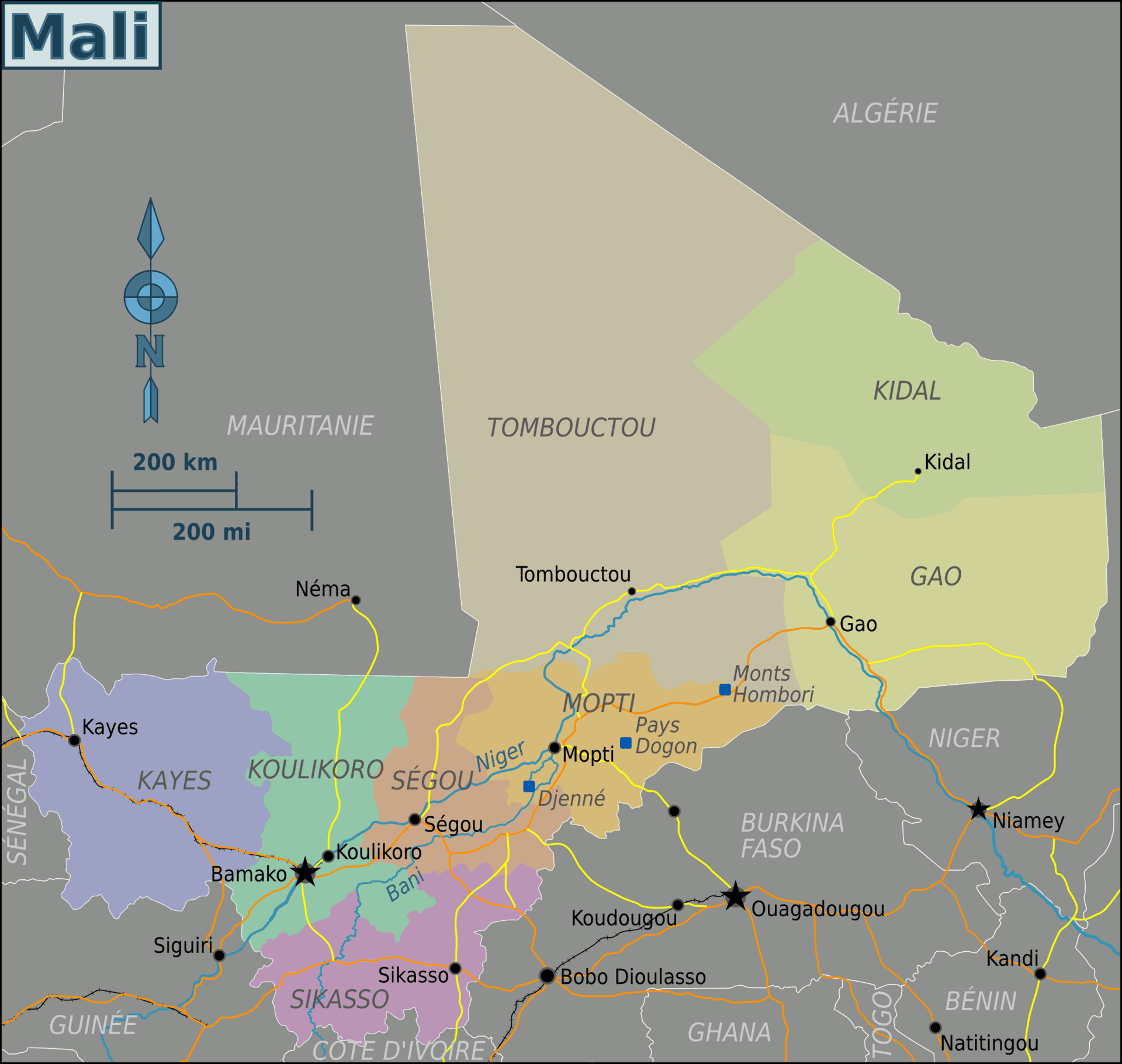
The message followed a weekend of coordinated attacks that hit Kati, Gao, Kidal, Sevare and other sites, and that left Mali’s defense minister, Sadio Camara, dead. Camara was struck at his residence in Kati, about 15 kilometers northwest of Bamako, and his wife and two grandchildren were also killed. The government held his state funeral on April 30.
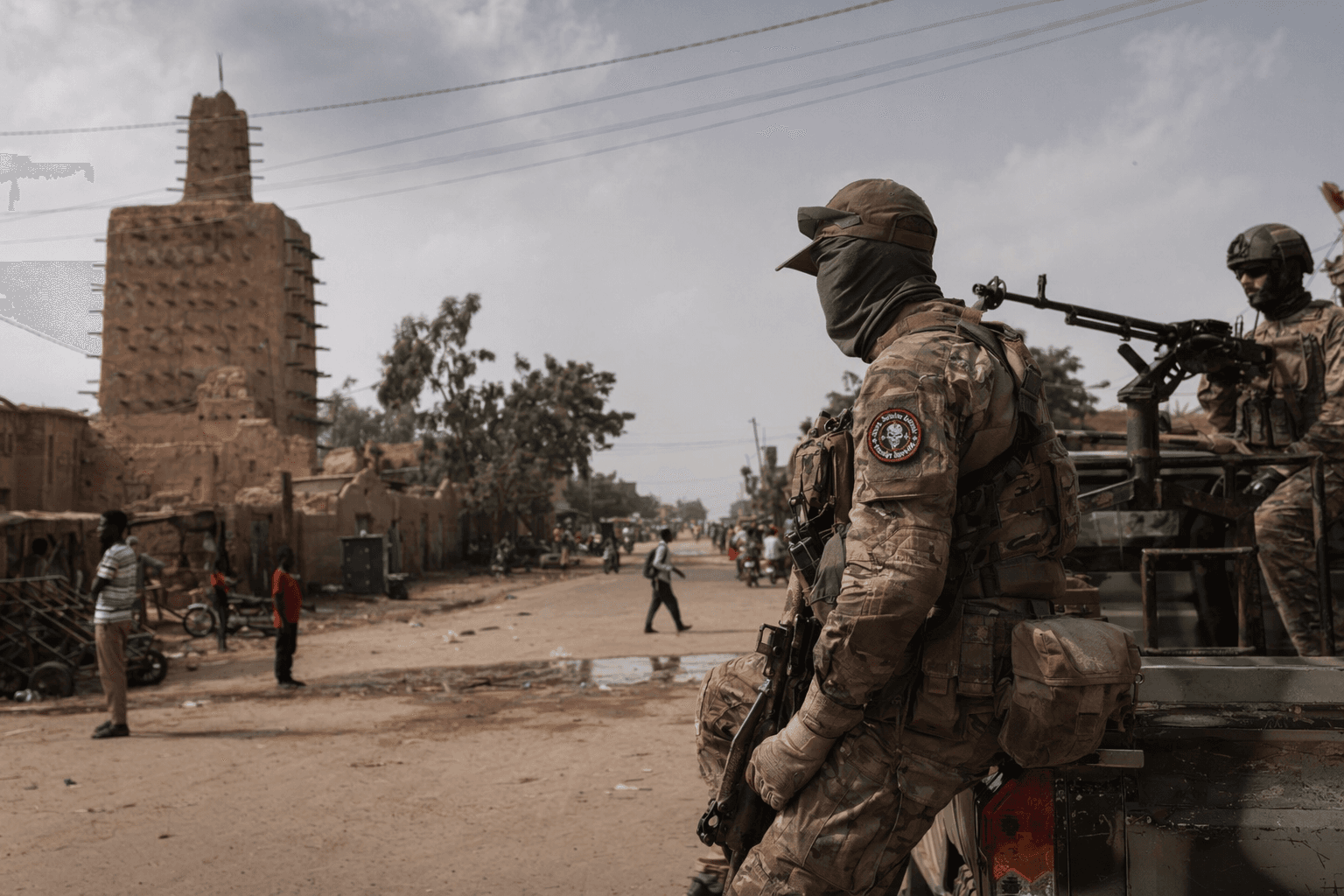
Africa Corps, the Kremlin-controlled paramilitary force operating in Mali, confirmed on April 27 that its units had withdrawn from Kidal in coordination with Malian leaders. Wounded personnel and heavy equipment were evacuated first. The withdrawal marked a sharp reversal in a city the Malian army had retaken with Russian help in 2023, underscoring how quickly the security picture has deteriorated.
Jama’at Nusrat al-Islam wal-Muslimin, or JNIM, said in a video message that it had captured the military base at Hombori and two checkpoints near Bamako. The group also threatened a full siege of the capital, where fuel shortages have already become a weapon. JNIM previously imposed a fuel blockade on Bamako, and analysts warned that if the pressure widens, the Malian military may be forced to concentrate on defending the capital and concede ground elsewhere.
Héni Nsaibia of ACLED warned that a full blockade on Bamako would likely push the junta to prioritize the city over outlying regions. That danger gives the Kremlin little room to claim a clean success story. Mali’s military rulers, led by Assimi Goita, have relied on Russian backing since breaking with France and the West, but the latest offensive suggests Moscow’s footprint may be entrenching the junta more than containing the insurgency.
Analysts described the attack wave as the largest coordinated offensive in Mali since 2012, when al Qaeda and allied rebels overran much of the north and forced a French-led intervention. It is a reminder that Russia’s Africa strategy is being judged not by flags on a base, but by whether civilians in Bamako, Kati, Kidal and beyond can live without fear of the next assault.
Know something we missed? Have a correction or additional information?
Submit a Tip