Belarus begins nuclear weapons drills with Russian forces, drawing Ukraine condemnation
Belarus launched drills with Russian nuclear weapons as Ukraine denounced them as dangerous signaling near NATO borders. The exercise deepens scrutiny of Moscow’s grip on Belarus’s military.

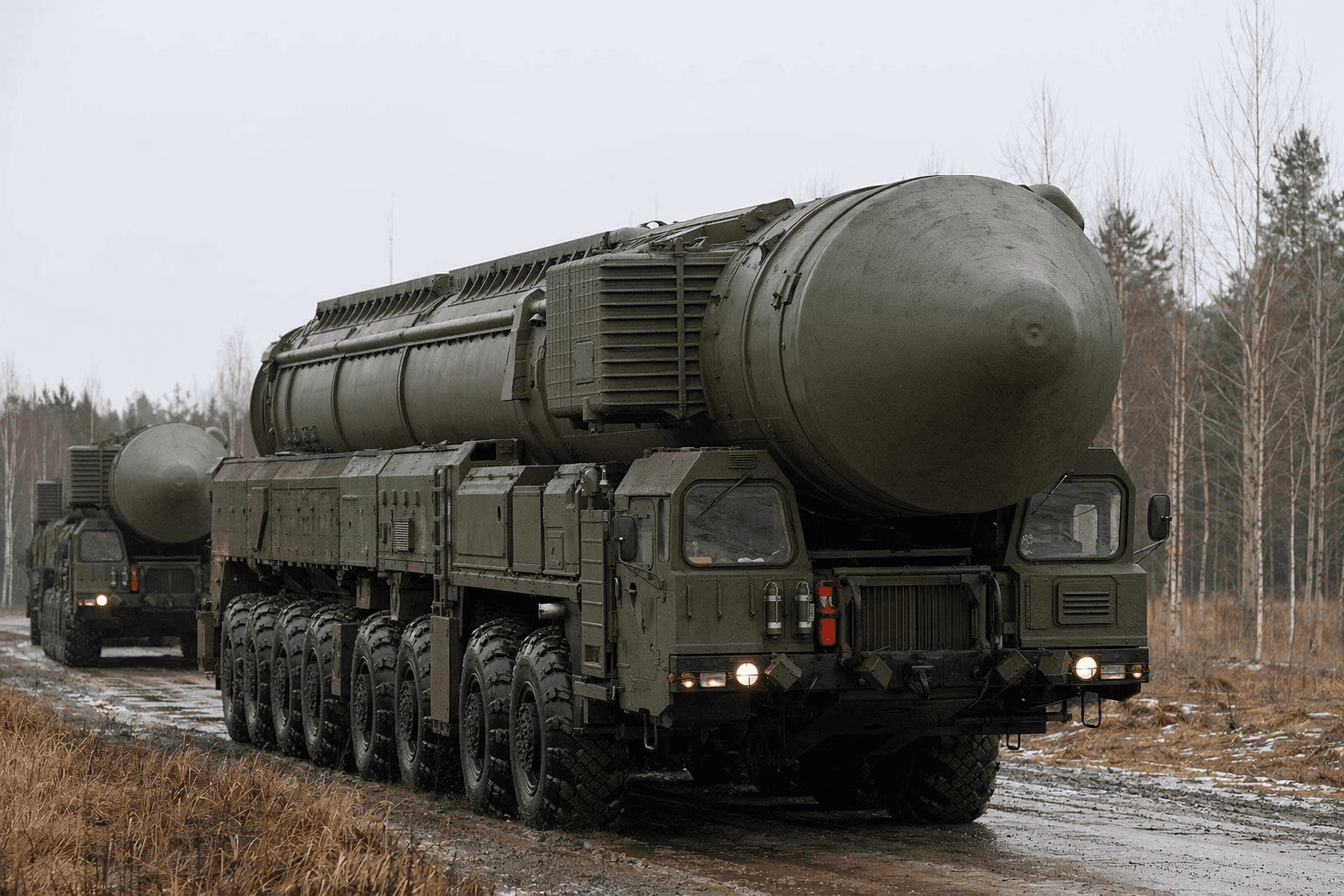
Belarus on May 18 began training exercises involving Russian nuclear weapons, a move that sharpened alarm in Kyiv and put fresh attention on how closely Minsk’s military has been tied to Moscow’s strategic plans. The drills were framed by Belarus as a readiness test, but the timing and the subject made the message unmistakable: nuclear signaling is now being displayed more openly in a country that borders NATO territory and remains central to Russia’s war effort.
The Belarusian Defense Ministry said the purpose was to improve personnel training and readiness, including how to deliver nuclear munitions and prepare them for use. It said the exercise would test the military’s ability to use nuclear weapons from unprepared or mobile launch sites and involve missile units and the air force. The ministry did not say whether real warheads were being handled or whether crews were practicing with simulations.
Ukraine’s Foreign Ministry called the drills an unprecedented challenge to the global security architecture. That reaction reflected a broader fear in Kyiv and across NATO that Belarus is being turned into a nuclear staging ground, one that sits uncomfortably close to the alliance’s eastern flank and gives Russia another channel for coercive pressure without firing a shot.
The exercise rests on a sequence of decisions that began on March 25, 2023, when Vladimir Putin announced plans to station tactical nuclear weapons in Belarus. Russia and Belarus formalized the arrangement on May 25, 2023, and Moscow said it would keep control over any use of the weapons. Alexander Lukashenko later said the transfer had been completed by late December 2023.
Arms-control analysts have described that deployment as the first stationing of Russian nuclear weapons outside Russia since the Soviet Union collapsed in 1991. Belarus also reportedly retrofitted about 10 Su-25 aircraft for the nuclear mission and completed training for Belarusian crews in 2023, underscoring that the move was not merely symbolic. Even so, the latest drill appears designed as much to send a political signal as to change battlefield realities.
Washington has warned that Russia’s claimed deployment of nuclear weapons to Belarus increases the risk of deliberate or unintended escalation, while NATO says Belarus continues to enable Russia’s war against Ukraine by making its territory and infrastructure available. The drills are taking place as the 2026 Nuclear Non-Proliferation Treaty Review Conference meets in New York, giving the display added diplomatic weight and making Belarus’s role in Russia’s nuclear posture harder for Europe and the wider world to ignore.
Know something we missed? Have a correction or additional information?
Submit a Tip