Benchmark raises $2 billion, launches first dedicated growth fund
Benchmark broke a 20-year cap on fund size, closing on $2 billion and its first dedicated growth vehicle to chase bigger late-stage AI rounds.
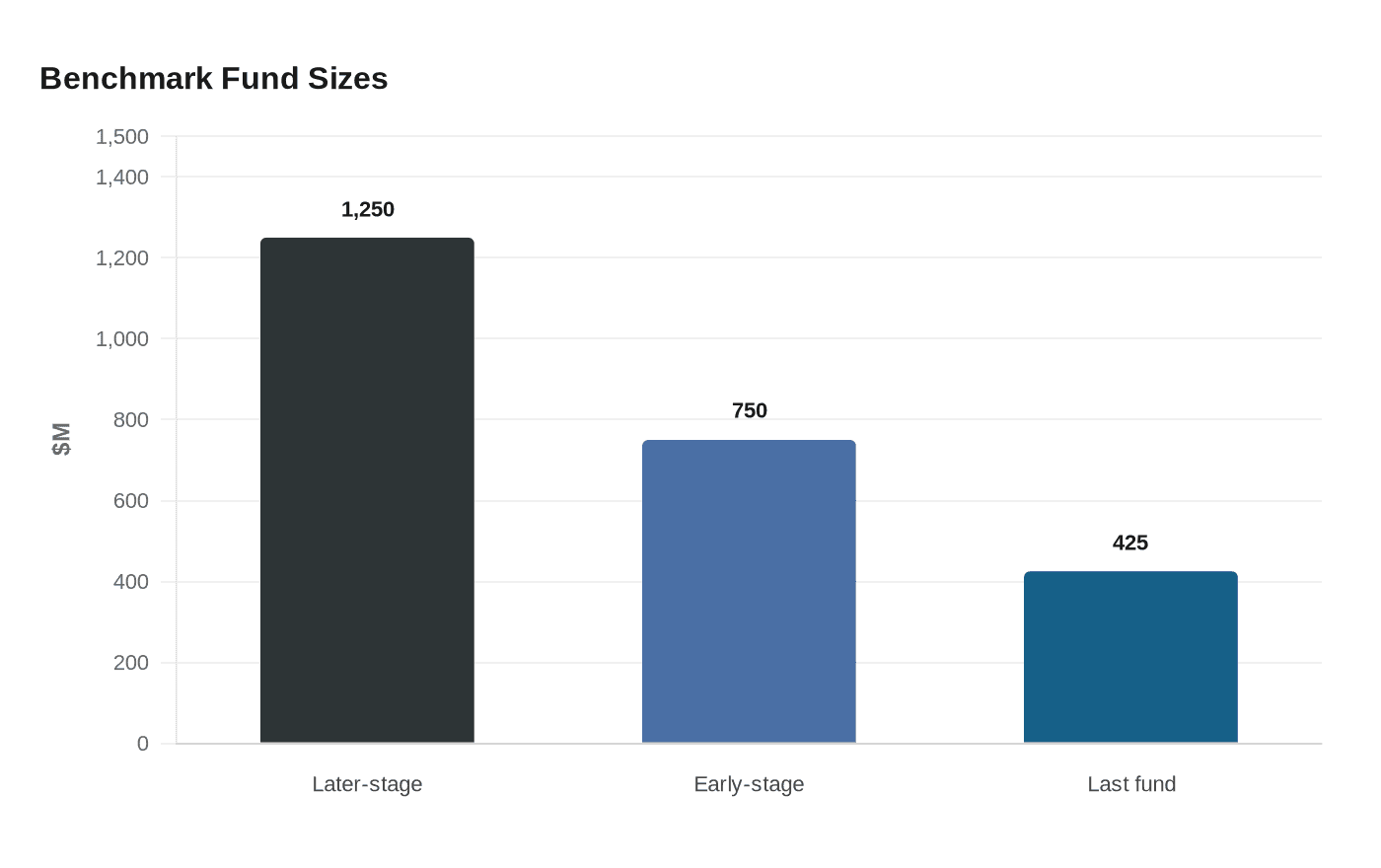
Benchmark has closed on $2 billion across two new funds, ending a more than 20-year habit of keeping its vehicles near $425 million and opening a new phase for one of Silicon Valley’s most disciplined venture firms. The package includes a $1.25 billion fund for later-stage investments and a $750 million early-stage fund, with the growth vehicle marking Benchmark’s first dedicated push into the market where startup valuations and check sizes have surged.
For a partnership founded in 1995 and based in Woodside, California, the move is a sharp break from a model that made Benchmark famous. The firm built its reputation by backing young companies and taking large, typically 20%, ownership stakes in startups it believed could become category leaders. That approach helped produce early bets on eBay, Snap, Uber and Twitter, but it also kept Benchmark comparatively small while rivals expanded their capital bases.

The timing points to a venture market reshaped by artificial intelligence. Foundation model makers and other capital-intensive AI companies can now raise rounds worth hundreds of millions of dollars, a scale that makes a $425 million fund look small by industry standards. Benchmark has not invested in Anthropic or OpenAI, two of the most prominent names in the sector, even as it has looked for ways to remain relevant in the AI boom.
Its recent bets show both ambition and risk. Benchmark led a $75 million round in Manus, an AI agent platform that reportedly reached $100 million in annual recurring revenue within eight months of launch. But a roughly $2 billion acquisition of Manus by Meta was blocked by Chinese regulators in April 2026, leaving Benchmark’s position in limbo. In recent months, the firm has also widened its earlier-stage activity by backing Series B startups such as Gumloop and Monaco.
Everett Randle, a Benchmark general partner, said the firm wants to build a meaningful and deep relationship with entrepreneurs, which can happen at seed, Series A or Series B. That framing fits the new structure: one fund aimed at earlier opportunities, another built to stay in the game much later. It also suggests Benchmark is no longer willing to let discipline alone define the firm if discipline means missing the deals that now shape the market.
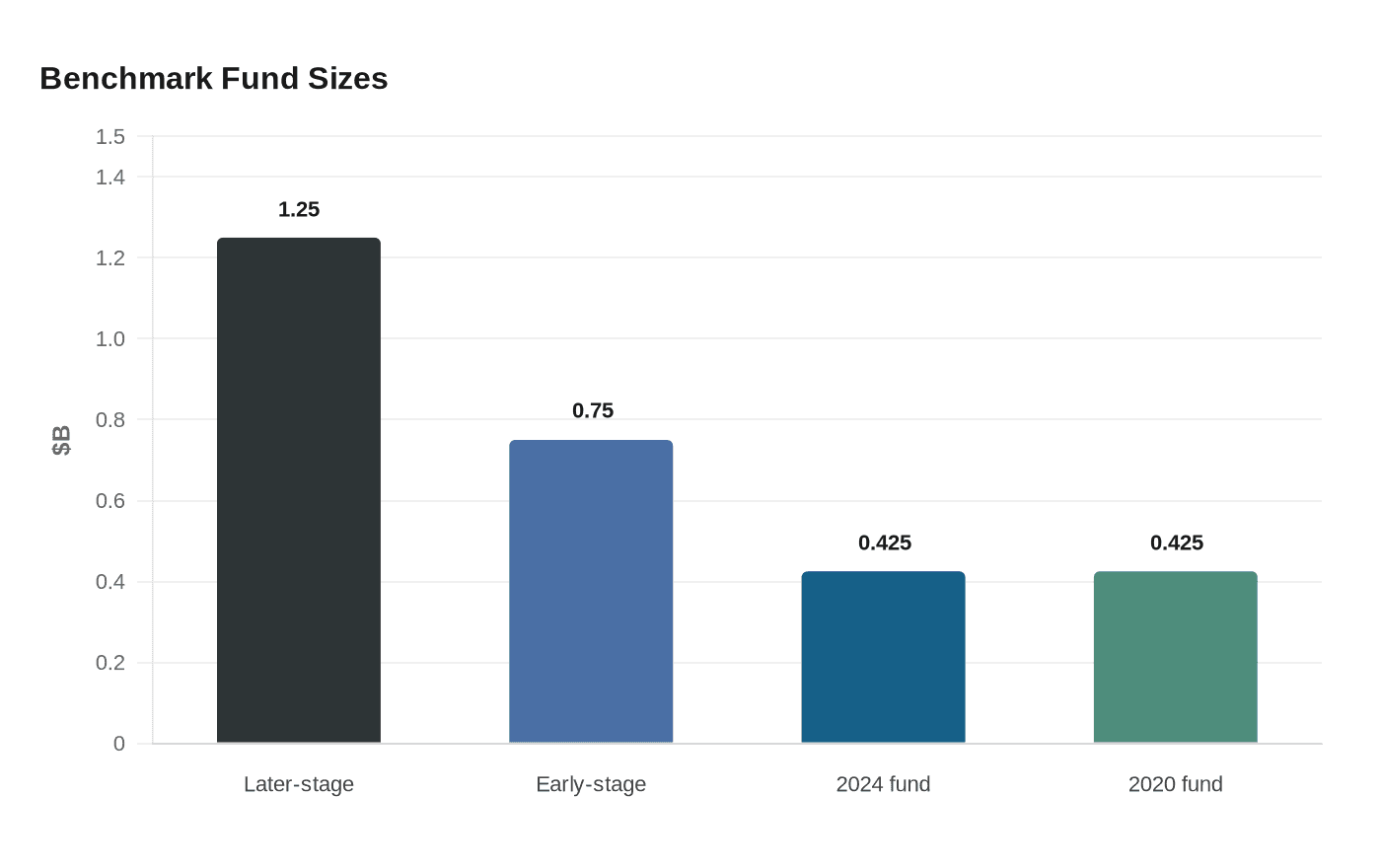
The change is especially notable because Benchmark’s last fund, raised in July 2024, was $425 million, the same size as its 2020 fund. Moving from that level to $2 billion does more than increase Benchmark’s firepower. It signals that even a firm with a long record of resisting scale now sees bigger funds as the price of staying competitive in a venture market increasingly dominated by AI and late-stage capital.
This article was produced by Prism’s automated news system from verified source data, official records, and press releases, then run through automated quality and moderation checks before publishing. The system is built and supervised by the people who set the standards it runs under. Read our full AI policy.
Know something we missed? Have a correction or additional information?
Submit a Tip