Berlin Pride attack sparks calls for tougher security crackdown
A man previously convicted over an ISIS travel bid rammed Berlin Pride, killing one woman and injuring at least 29 people before police shot him dead.
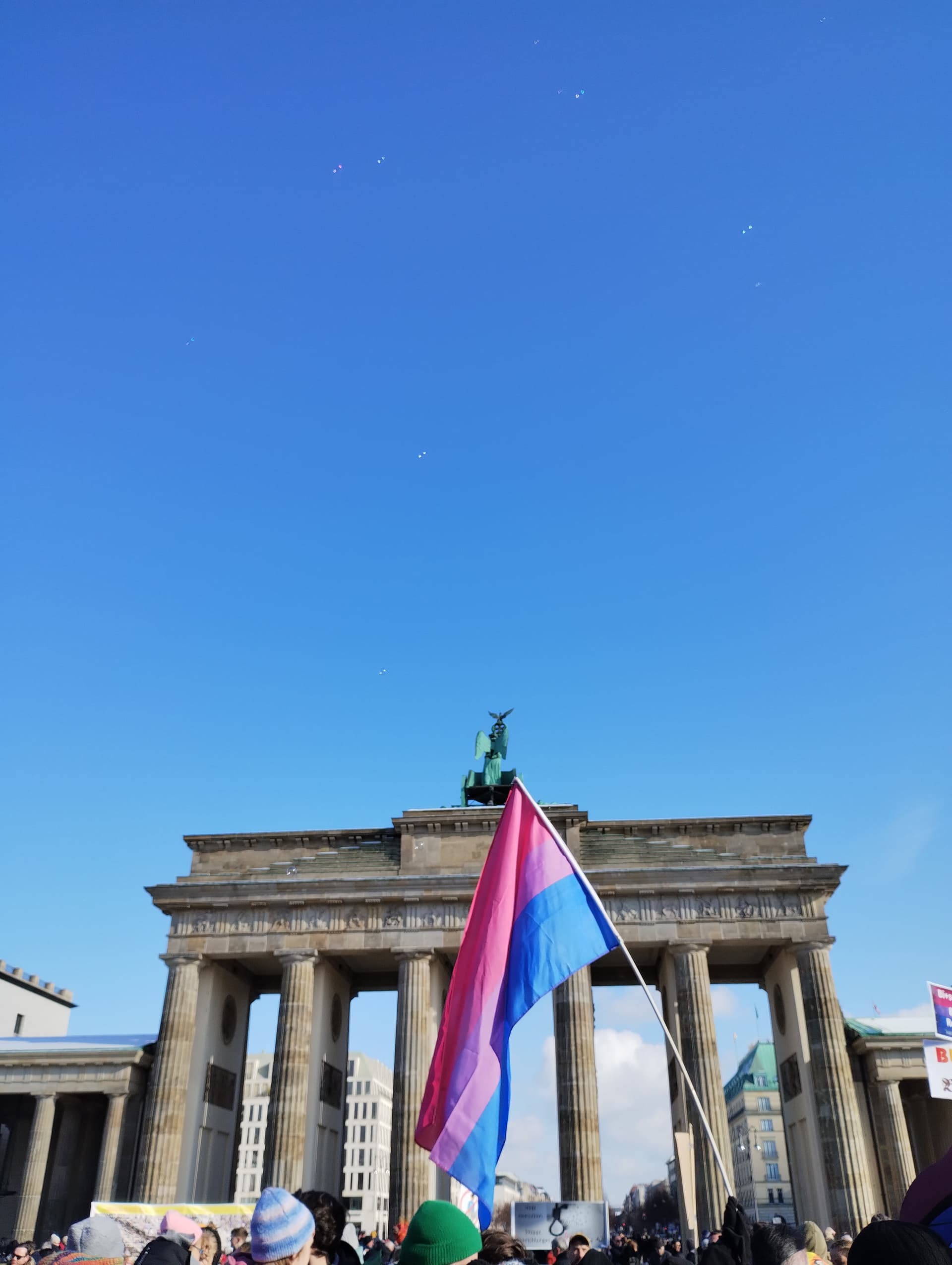
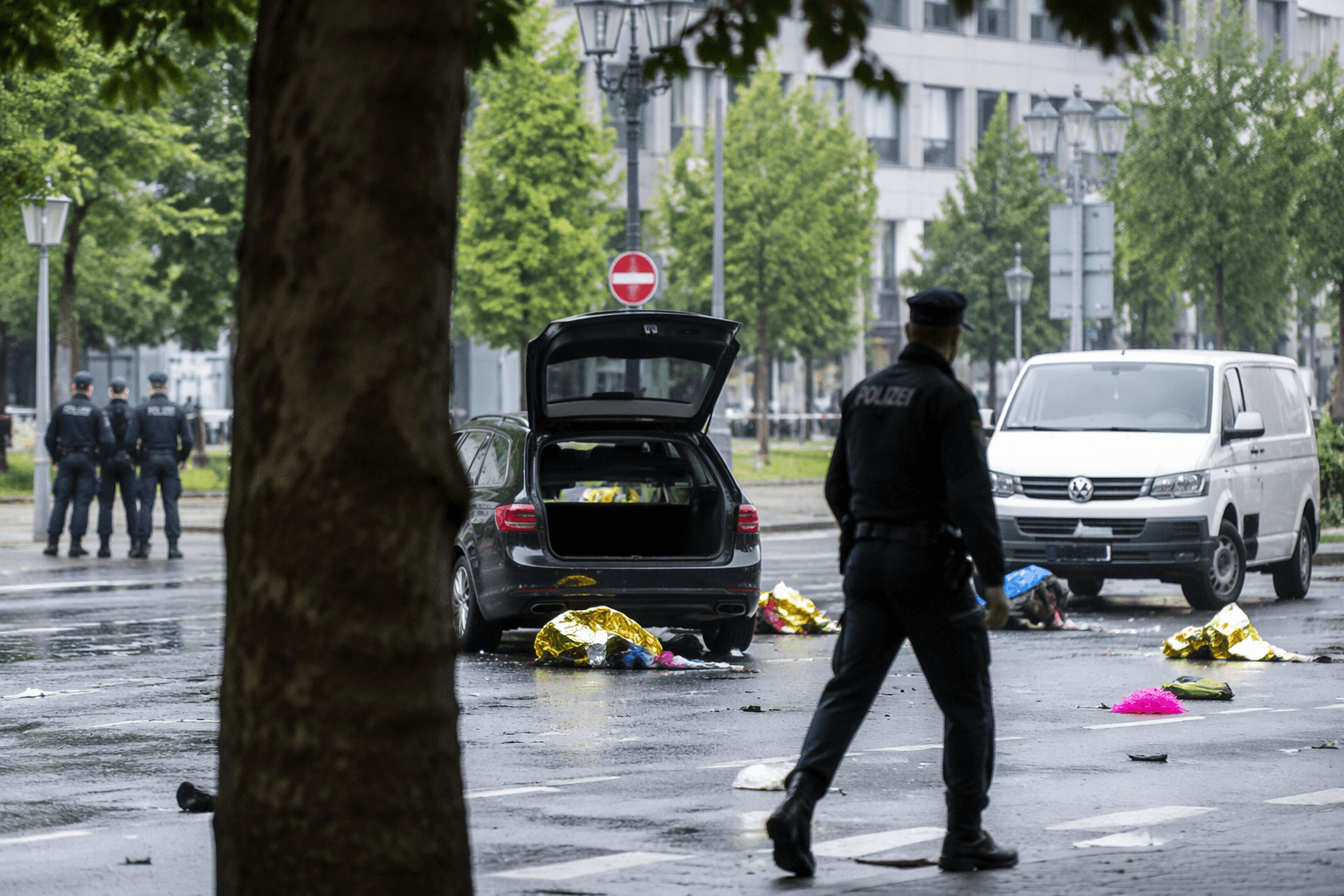
Berlin police shot dead a 21-year-old man with links to Islamist circles after he rammed a car into Berlin Pride near the Brandenburg Gate and killed one woman on July 25. Initial reports said at least 16 people were injured, and later updates put the toll at 29 or more, turning one of Europe’s biggest LGBTQ events into the latest test of Germany’s ability to stop a known extremist from striking again.
The most troubling detail is the suspect’s prior record. Reuters reported that he had been convicted in 2025 of preparing a serious act of violence after trying to travel to Lebanon to join ISIS, and CBS News said he served less than two years in prison for that case. That history has intensified questions over how well Germany’s counter-extremism, prison, and release systems track people already flagged for Islamist militancy once they leave custody.
Officials described the attack as a likely act of Islamist terrorism. Police initially said they were hunting an Islamist suspect, and later said the man was shot dead in a police operation in Berlin’s Spandau district. The BBC placed the crash shortly before 22:00 local time, at a moment when crowds were still gathered around Christopher Street Day, or CSD, in the Tiergarten area.
The political response was immediate. Friedrich Merz vowed action after the attack, and German officials faced renewed calls for a tougher crackdown as grief spread through Berlin’s LGBTQ community. Reuters reported an atmosphere of solidarity and shock among residents and marchers, while The New York Times had already described a city where many in the gay community felt “more and more unsafe” even before the assault.
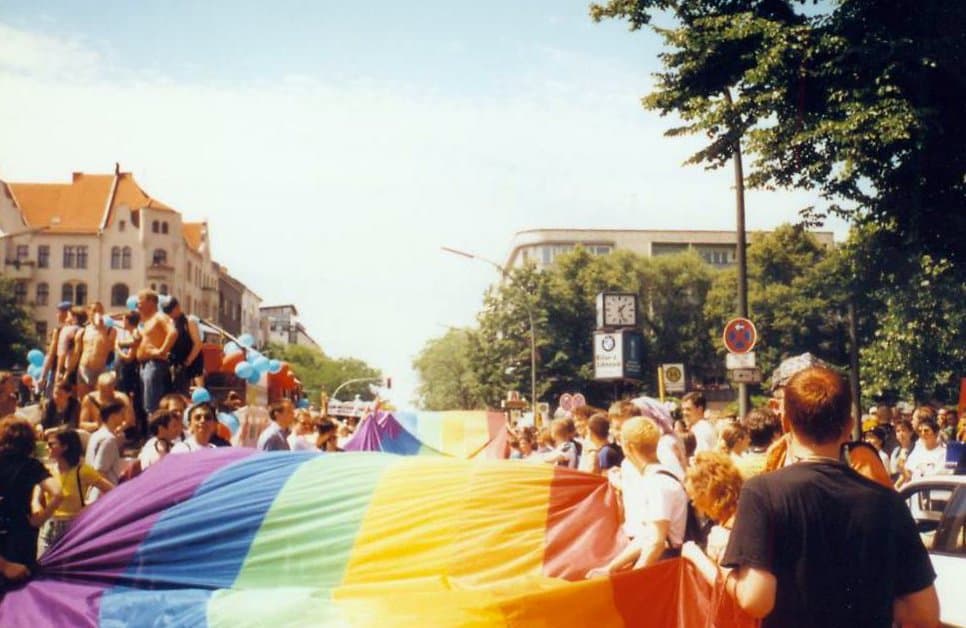
That fear sits alongside a broader pattern. DW noted that attacks and other disruptions targeted nearly half of Pride parades in Germany in 2025, largely by right-wing extremists, underscoring that the danger around Pride events has not come from one ideological direction alone. Berlin’s march runs through some of the city’s most visible streets, including Leipziger Straße, Potsdamer Platz, the Siegessäule and the Brandenburg Gate, which makes it both a symbol of visibility and an obvious target for anyone seeking mass attention.
For Berlin, the immediate challenge is narrow and practical: how to monitor convicted extremists after release, how much security to place on large LGBTQ gatherings, and how to protect a route built around openness without turning Pride into a permanent fortress. The answer will shape not only Berlin CSD, but how Germany balances civil liberties with the need to keep people already known to police from turning public celebration into mass casualty violence.
This article was produced by Prism’s automated news system from verified source data, official records, and press releases, then run through automated quality and moderation checks before publishing. The system is built and supervised by the people who set the standards it runs under. Read our full AI policy.
Did this article answer your question?