Whale supergroups signal recovery as new threats persist
Nearly 300 humpback whales gathered off South Africa, a sign of recovery now shadowed by ship strikes, noise and war-driven shipping disruption.
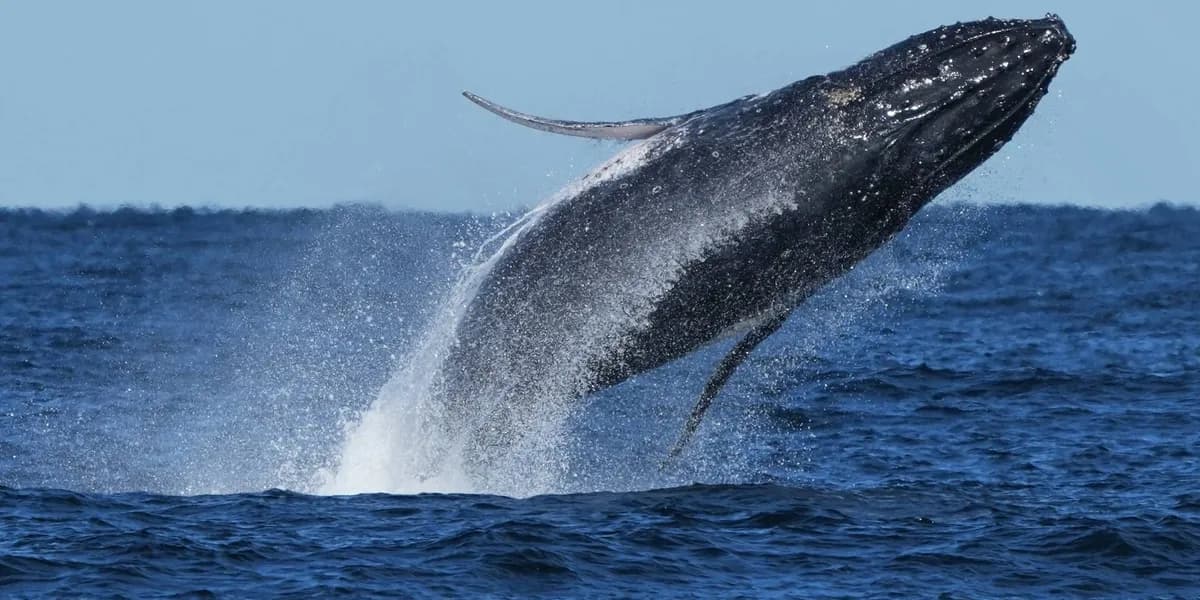
Nearly 300 humpback whales gathered off South Africa in a rare supergroup, a striking sign that some populations are rebounding after the whaling era pushed many species to a fraction of their historical numbers. The sight off the South Africa coast came as new hazards, from vessel strikes to conflict-driven shipping changes, continue to press on marine life.
Chris Fallows and Monique Fallows documented the gathering, which wildlife observers described as unusual even by humpback standards. BBC Future later said two photographers captured images of 304 individual humpbacks in December 2025, the highest number of large whales identified in a single day, and noted that super-groups are often defined as gatherings of 20 or more humpback whales. Earlier accounts had described South Africa super-groups of up to 200 whales, but researchers have still not settled on one explanation for why the animals assemble in such large numbers.
Part of the answer lies in the long collapse of commercial whaling and the protections that followed. Our World in Data says global whaling peaked in the 1960s. The International Whaling Commission’s commercial whaling moratorium took effect in 1986, and in 2008 the IUCN said the humpback whale had moved from Vulnerable to Least Concern on the Red List, even as many other cetaceans remained at risk. The large aggregations now being seen off South Africa are a reminder that recovery is possible when hunting stops and populations are given room to rebuild.
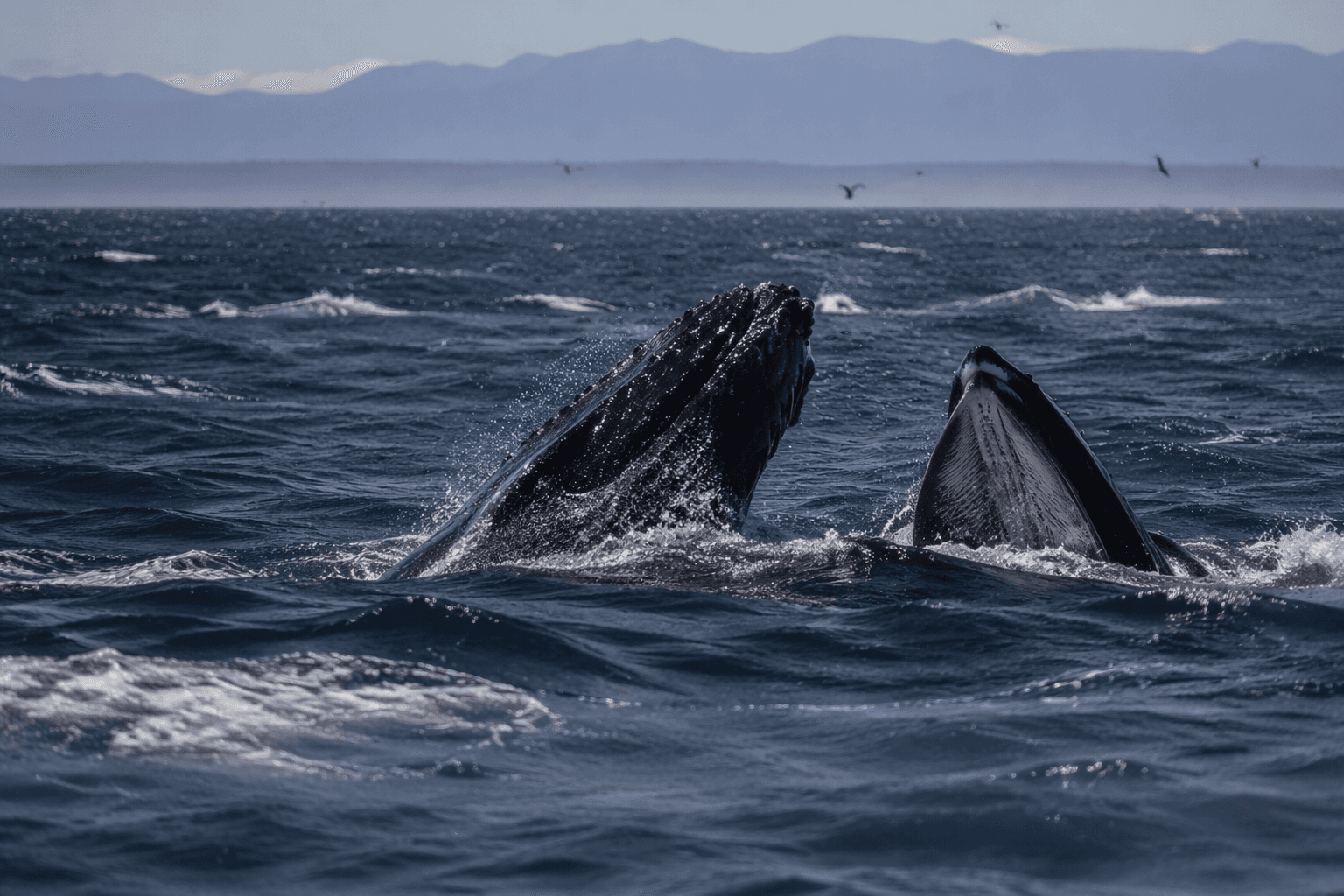
The threats, however, have changed rather than disappeared. NOAA Fisheries identifies vessel strikes and underwater noise as major whale threats, and the agency says whales rely on sound for communication, navigation and foraging. Scientific work cited in recent coverage says ship collision risk now threatens whales across the world’s oceans, including critically endangered populations such as the North Atlantic right whale. Other pressures include entanglement, pollution, shifting food chains and changing ocean conditions.
The Iran war has added a geopolitical layer to that risk. Shipping-industry coverage in 2026 said the conflict was forcing vessels to reroute around Africa, creating longer transit times, port congestion and rising surcharges. That means more traffic and more noise near whale habitat, including waters off South Africa where a dead humpback washed up in Simon’s Town on Oct. 15, 2024. Conservation gains have been real, but the same seas that now hold supergroups can also become more dangerous as global trade and conflict reshape where ships move.
This article was produced by Prism’s automated news system from verified source data, official records, and press releases, then run through automated quality and moderation checks before publishing. The system is built and supervised by the people who set the standards it runs under. Read our full AI policy.
Did this article answer your question?