Private detention reignites fears of insider complicity in Nigeria's insecurity
Troops arrested a wanted soldier at Jidari Bus Stop in Maiduguri as he allegedly tried to flee to Cameroon. The case deepened fears that insider collusion is feeding Nigeria’s insecurity.
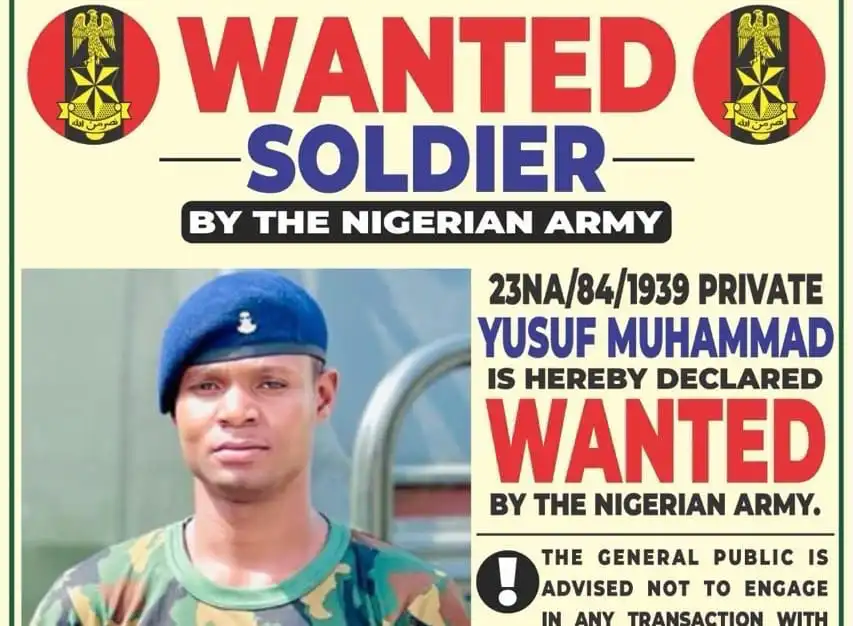
Troops arrested a wanted soldier at Jidari Bus Stop in Maiduguri on July 26 as he allegedly tried to flee to the Republic of Cameroon, after being accused of supplying military equipment to terrorists. The suspect was later identified in a Punch post as Private Mohammed Yusuf, and the case has sharpened suspicion that Nigeria’s insecurity is being worsened from inside the ranks.
The arrest matters because it sits alongside a string of recent allegations involving serving or dismissed personnel, not an isolated embarrassment. Search results linked the military to a separate arrest over N114 million fraud and a false alarm about the killing of gang leader Osisikankwu, while another result described a soldier arrested in Borno over allegations of supplying military accoutrements to terrorists. Each case feeds a similar fear: that access to uniforms, weapons, and operational information can be turned into an advantage for criminal networks.
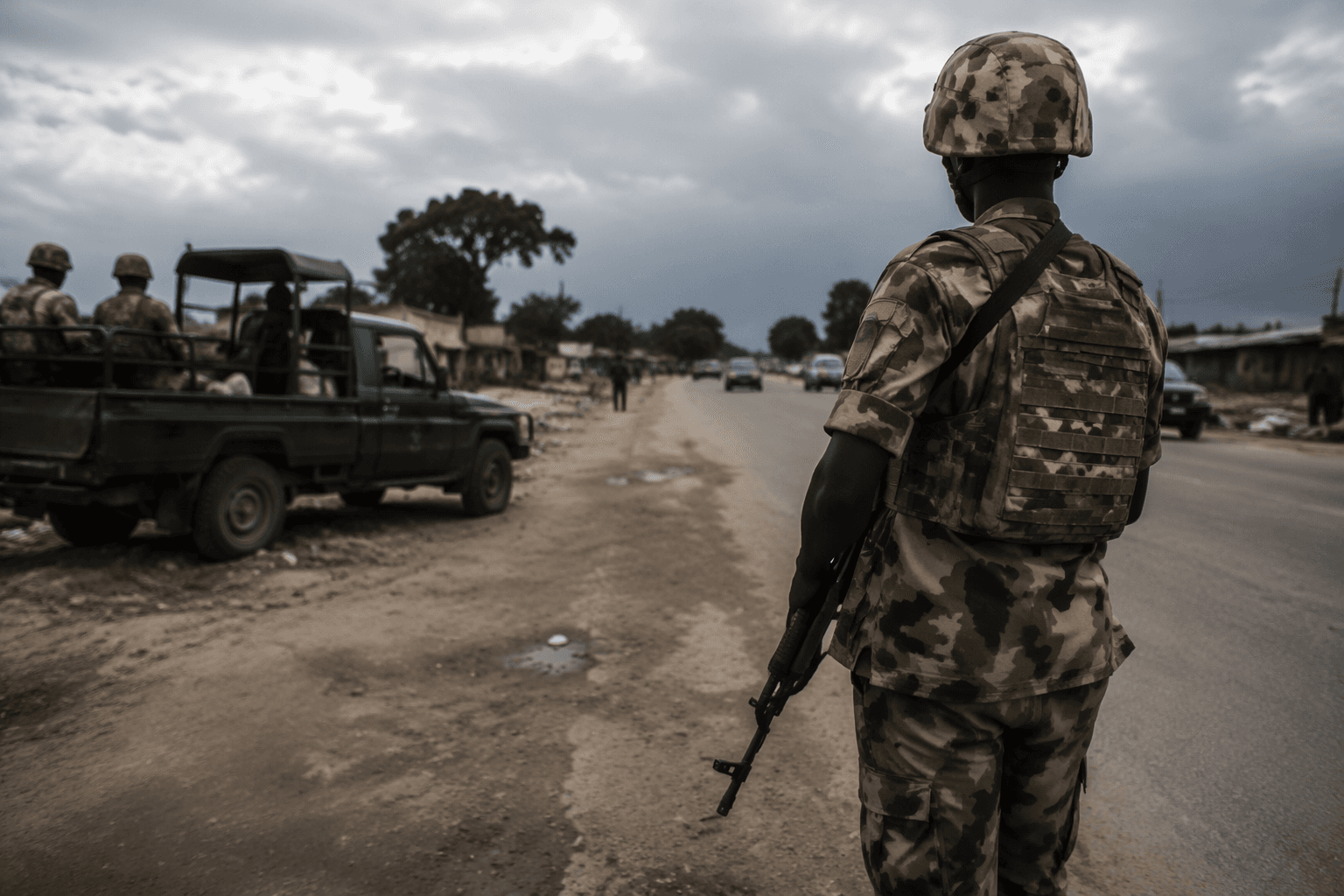
That concern has extended beyond Borno. A result from MMI News said Janet Igohia, 31, was taken into custody on January 25, 2024, over her alleged role in collecting a N1.5 million ransom for a kidnapped person in Taraba State. Other references in the search set pointed to arrests of personnel accused of stealing ammunition, as well as the detention and later release of Nigerian military personnel in Burkina Faso after an aircraft incident. Taken together, the cases have kept the armed forces under intense public scrutiny.
For counterinsurgency and anti-banditry operations, the damage is not limited to the loss of one soldier. When a wanted private is accused of moving military equipment to terrorists and is caught while heading toward Cameroon, the case raises questions about how much insider knowledge is leaking into criminal hands, and whether internal controls are strong enough to stop it. In a conflict already marked by arms diversion, ransom-taking, fraud, and theft, civilian trust in the military depends on proving that the problem is being confronted inside the institution, not only on the battlefield.
This article was produced by Prism’s automated news system from verified source data, official records, and press releases, then run through automated quality and moderation checks before publishing. The system is built and supervised by the people who set the standards it runs under. Read our full AI policy.
Did this article answer your question?