Guyana ferry capsizing raises questions in fast-growing economy
Guyana’s state ferry probe widened as 27 deaths and 83 missing exposed transport failures in an oil boom economy.
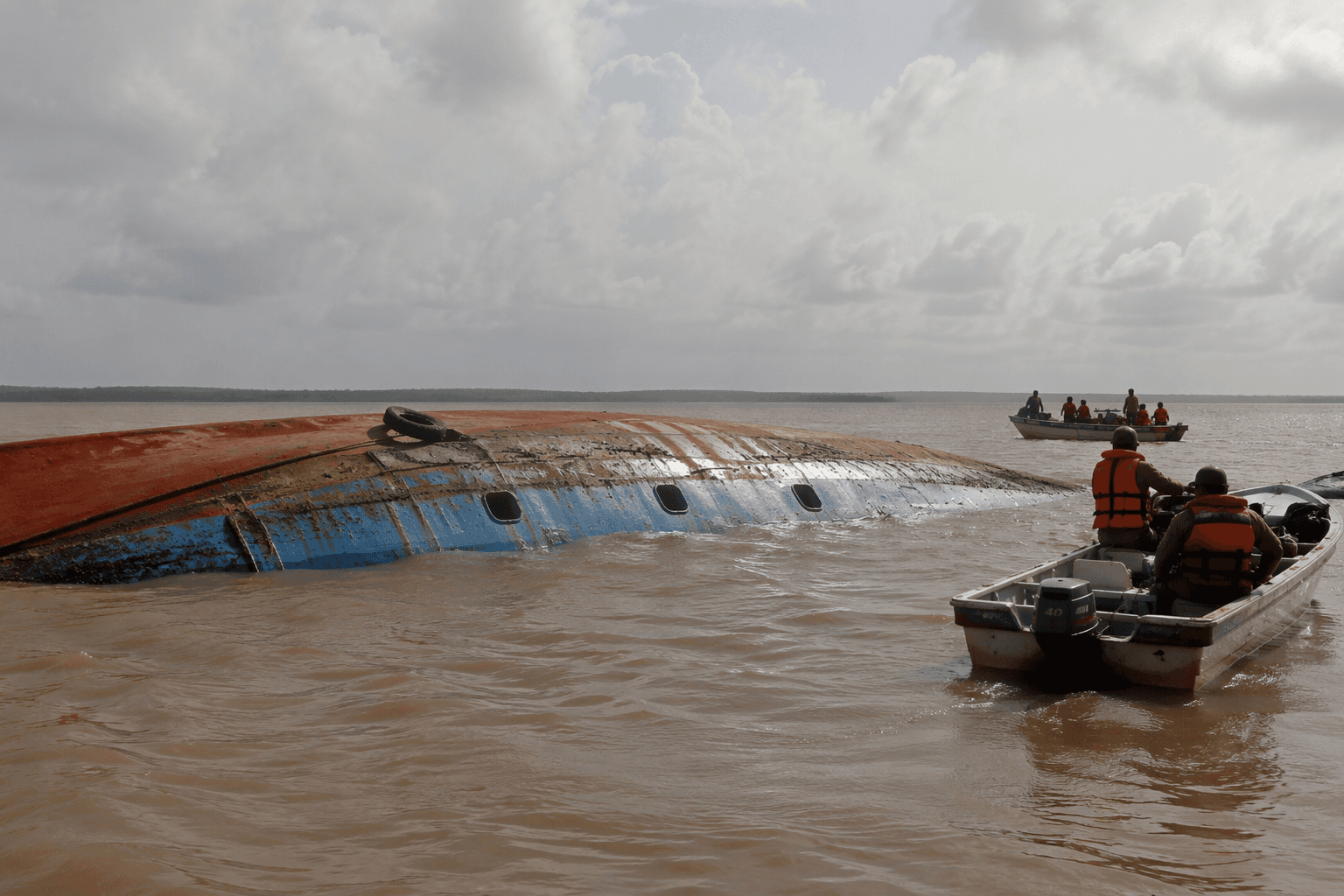
Guyana on Sunday appointed a group of international experts to investigate the sinking of the state ferry MV Barima, which capsized off the coast with as many as 179 people aboard. Authorities said 27 bodies had been recovered, 69 people had been rescued and 83 remained missing as search teams kept working through the waters off the Essequibo coast.
The disaster has become Guyana’s deadliest event since Jonestown in 1978. It has also landed in a country that has been transformed by petroleum wealth, even as the gap between headline growth and basic public safety has grown harder to ignore.
The World Bank has described Guyana as one of the world’s fastest-growing economies, driven by rapid expansion of oil and gas production, and said the government is pursuing ambitious public investment to transform the non-oil economy and address development needs. It also warned that prudent management of petroleum revenues and continued institutional strengthening remain essential. In January, Finance Minister Ashni Singh said the economy was set to grow 16.2% in 2026, with the oil sector still the main driver.
The MV Barima was traveling from Georgetown toward Port Kaituma in the inland Essequibo region, a route that serves remote communities and a gold-mining outpost. The ferry overturned on Saturday night, and survivors described a chaotic sinking that left families searching for relatives hours after the vessel went down.
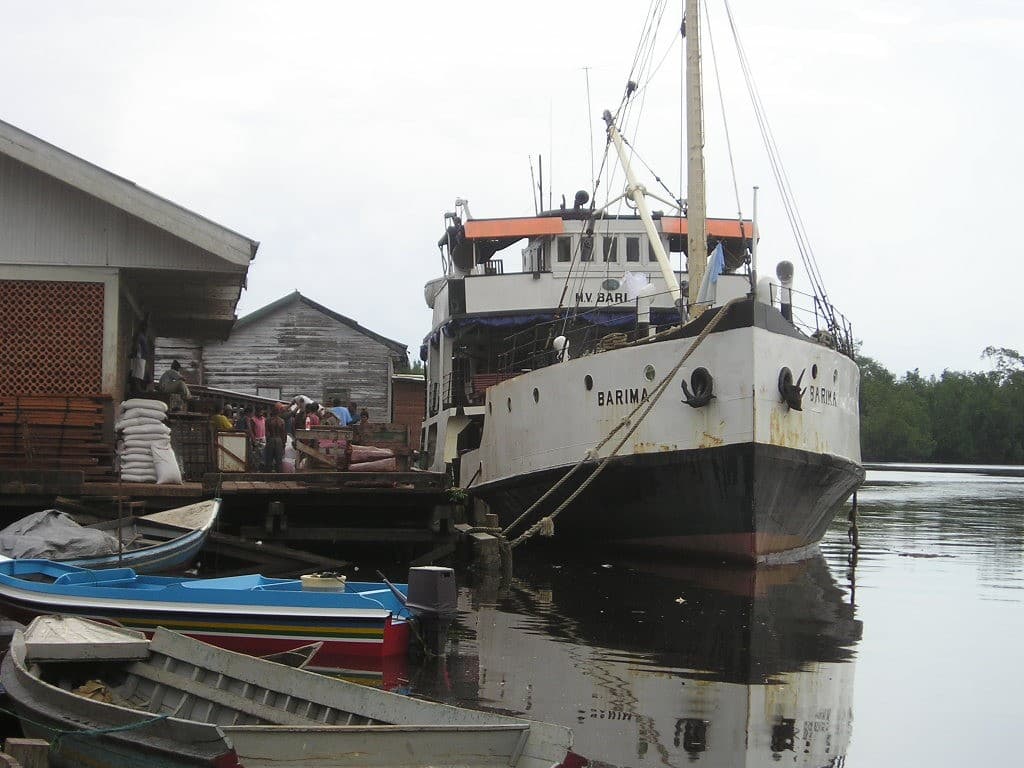
Scrutiny has quickly turned to the crew and the system that allowed the voyage to proceed. Authorities detained crew members after drug tests revealed violations, and officials said the captain and first engineer tested positive for marijuana. The government has since widened the response from rescue work to investigation, naming outside experts to examine how a state ferry carrying so many passengers could capsize so quickly.
The scale of the loss has sharpened questions about oversight in a country where oil revenue has raised expectations for roads, ports and public services, but where travel to riverine and coastal communities still depends heavily on vulnerable transport links. With 83 people still unaccounted for, the search now sits alongside a broader political demand for answers about who is benefiting from Guyana’s boom, and whether the state has kept pace with the risks that come with it.
This article was produced by Prism’s automated news system from verified source data, official records, and press releases, then run through automated quality and moderation checks before publishing. The system is built and supervised by the people who set the standards it runs under. Read our full AI policy.
Did this article answer your question?