Big Ten, SEC back Senate bill to regulate college sports
The SEC and Big Ten reversed course and backed a Senate bill that would shield college sports rules from antitrust suits and tighten control over NIL.
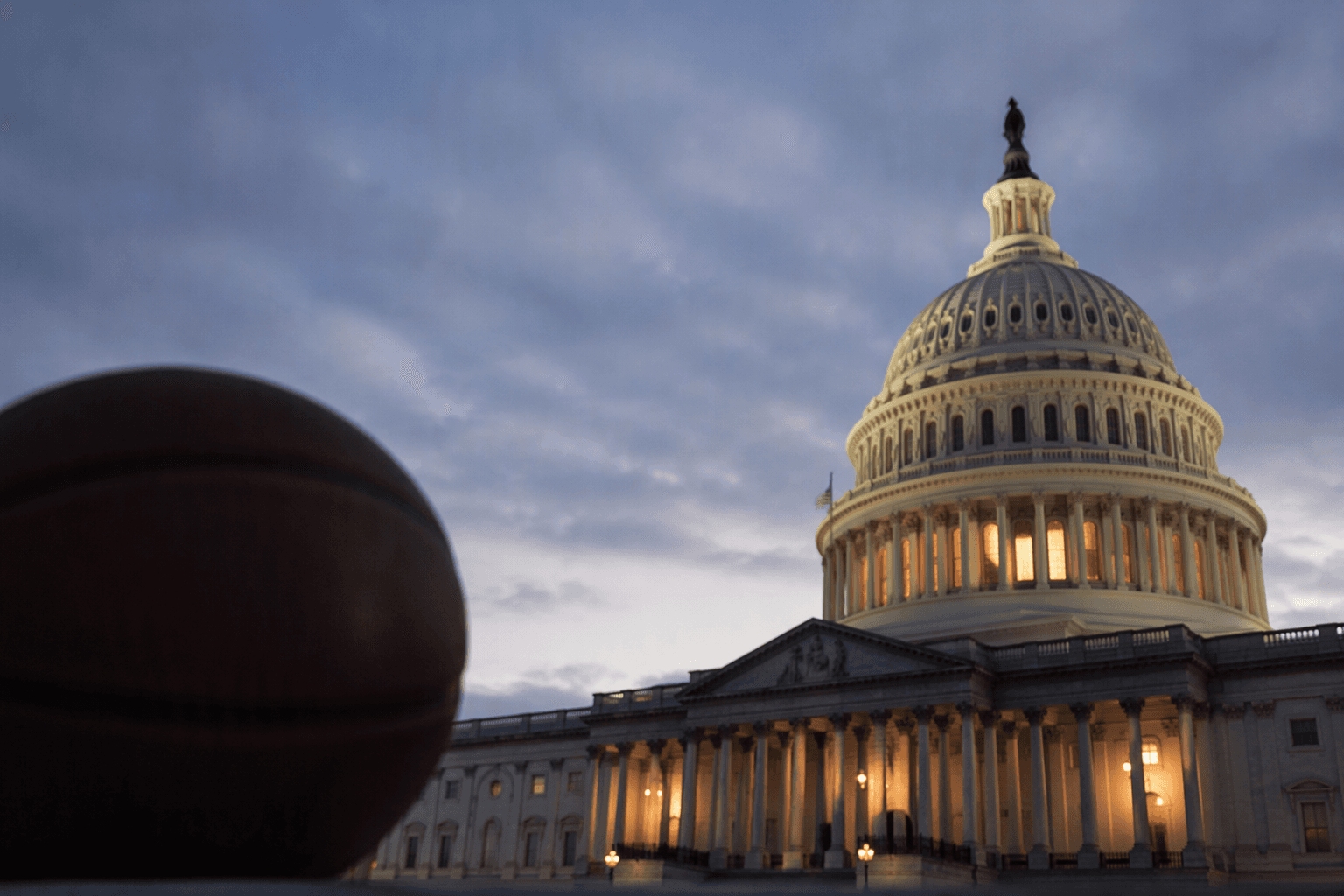
The Big Ten Conference and Southeastern Conference backed the Protect College Sports Act of 2026 after a breakneck week of negotiations, reviving a Senate bill that had appeared close to collapse. Their support is pivotal because the two leagues sit at the center of college sports television revenue, playoff access and national championship power, and the measure is now far more likely to shape the rules that govern the multibillion-dollar industry.
The bill, S.4668 in the 119th Congress, has a House companion, H.R.9137. Senator Ted Cruz of Texas sponsored the Senate version with Senator Maria Cantwell of Washington as the lead co-sponsor, and the Senate Commerce, Science and Transportation Committee advanced it 19-9, sending it to the full Senate as lawmakers pushed for action before the chamber’s summer recess.

According to congressional materials, the proposal would build a federal framework for college athletics centered on name, image and likeness rights, athlete protections and fair competition. Section-by-section summaries say the bill defines key terms such as student athlete, NIL agreement, institution, conference, intercollegiate athletic association, collective, associated entity and revenue share cap. That matters because those definitions would decide who falls under the law and who must follow its limits on compensation and revenue-sharing rules.
The biggest legal change is enforcement. The Congressional Budget Office said S.4668 would provide an antitrust exemption for intercollegiate athletic associations, conferences and institutions that enforce or comply with the law, including on media rights and NIL. That would give leagues and schools more room to coordinate rules without the same exposure to lawsuits that has already pushed major changes in college athletics through court settlements and legal challenges. The Big Ten and SEC’s backing also suggests the biggest conferences want a seat at the table as Congress writes those rules.
The reversal is also a setback for schools, conferences and athletes outside the power structure. A June 18 statement from the SEC said the Big Ten Conference and Southeastern Conference supported the bill “as currently drafted, following detailed and productive negotiations with Senators and key stakeholders.” Before that, the conferences had withheld support over revisions they wanted included. With the Big Ten and SEC on board, the NCAA and smaller conferences lose leverage in a fight over who sets the national standards for athlete compensation, conference conduct and the future of college sports.
This article was produced by Prism’s automated news system from verified source data, official records, and press releases, then run through automated quality and moderation checks before publishing. The system is built and supervised by the people who set the standards it runs under. Read our full AI policy.
Did this article answer your question?