Trump criticizes Pirro after prosecutors drop Lincoln Memorial pool case
Trump attacked Jeanine Pirro after prosecutors dropped the Reflecting Pool case, exposing tension over who controls legal decisions inside his orbit.
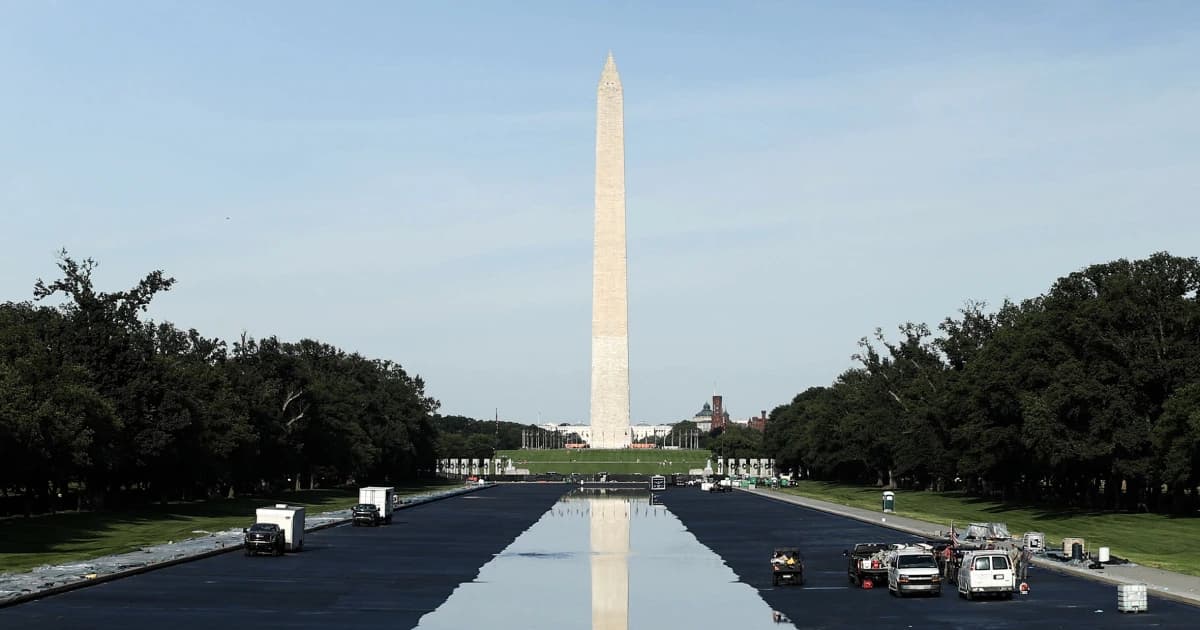
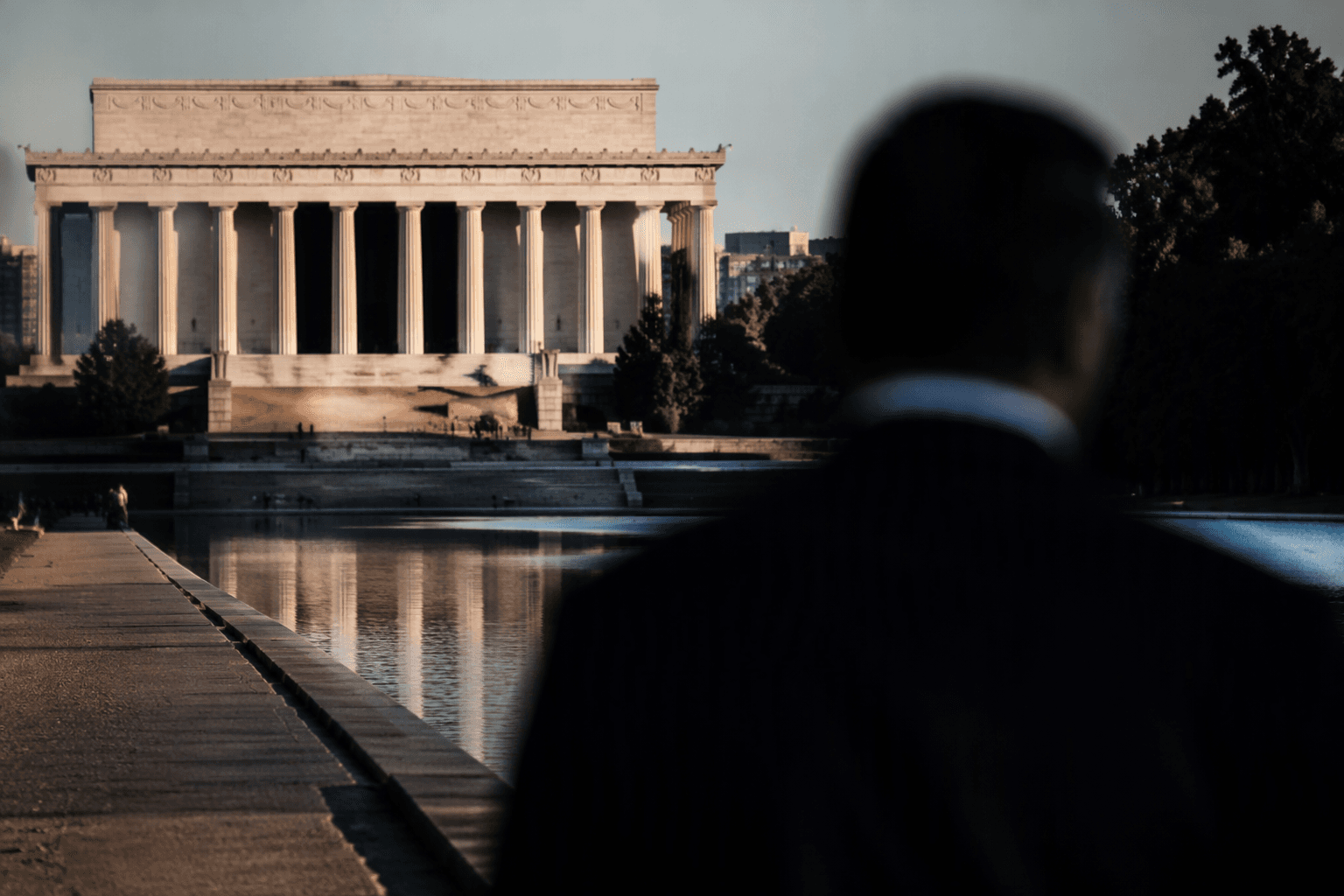
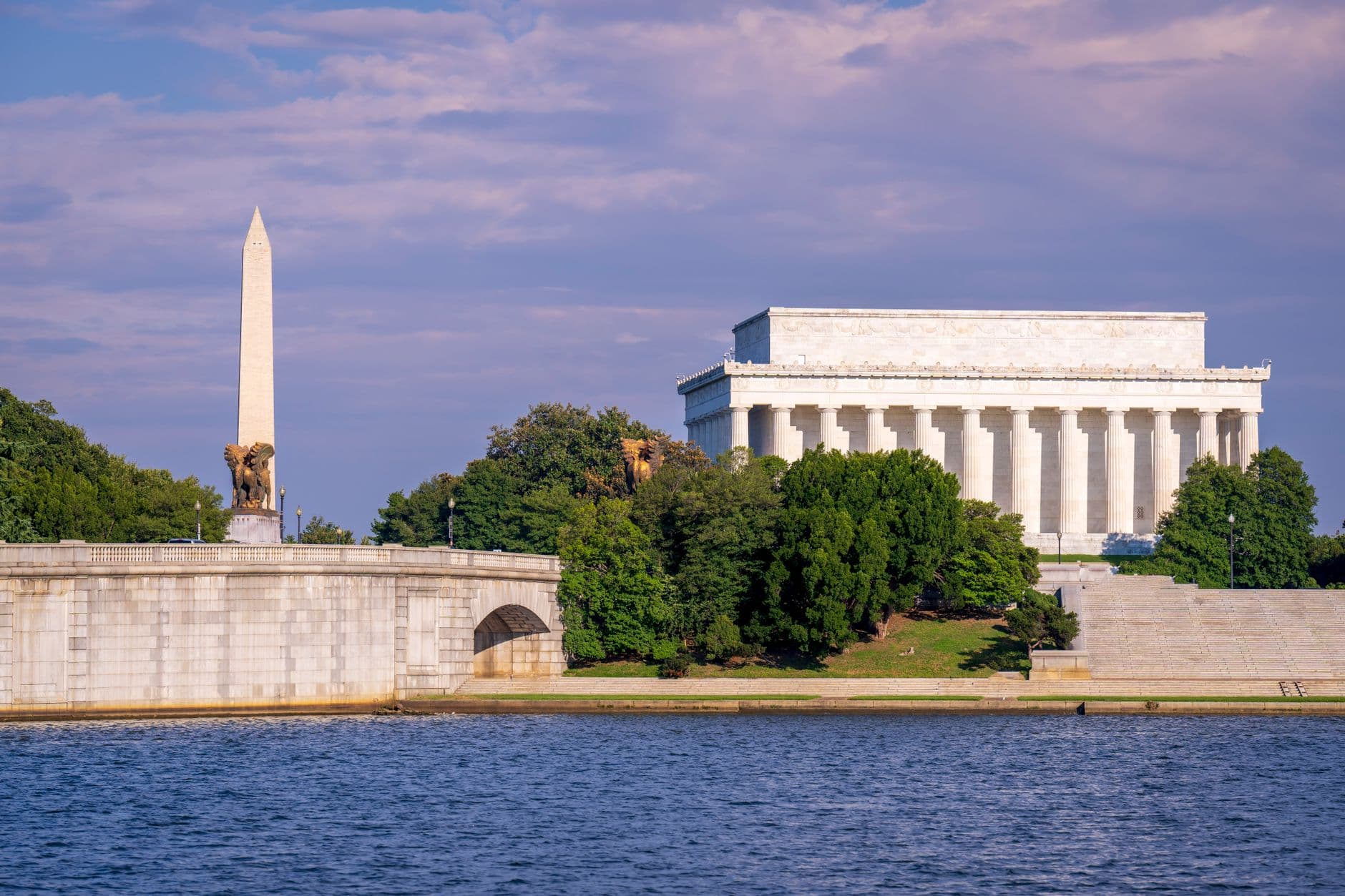
Donald Trump criticized Jeanine Pirro on Saturday after the U.S. Attorney’s Office for the District of Columbia agreed to drop a felony case against former U.S. Olympic canoeist David Hearn over damage to the Lincoln Memorial Reflecting Pool. The reversal came after prosecutors said new evidence showed the pool’s damage was caused by a contractor’s flawed installation, not vandalism.
The Justice Department moved in July 2026 to dismiss the case, and court filings said the evidence obtained after the indictment refuted the original theory that vandals were responsible. The filing described the damage as consistent with a botched or flawed installation of the pool lining, a stark change from the criminal theory that had put Hearn at the center of the dispute.
Hearn had been indicted on July 2, 2026, and pleaded not guilty on July 9, 2026. NBC 10 WJAR reported that the indictment followed a June 19 incident and that Hearn was charged with felony destruction of property, a count that carried a possible 10-year sentence if he were convicted. Reuters said the government’s dismissal filing ran 20 pages.
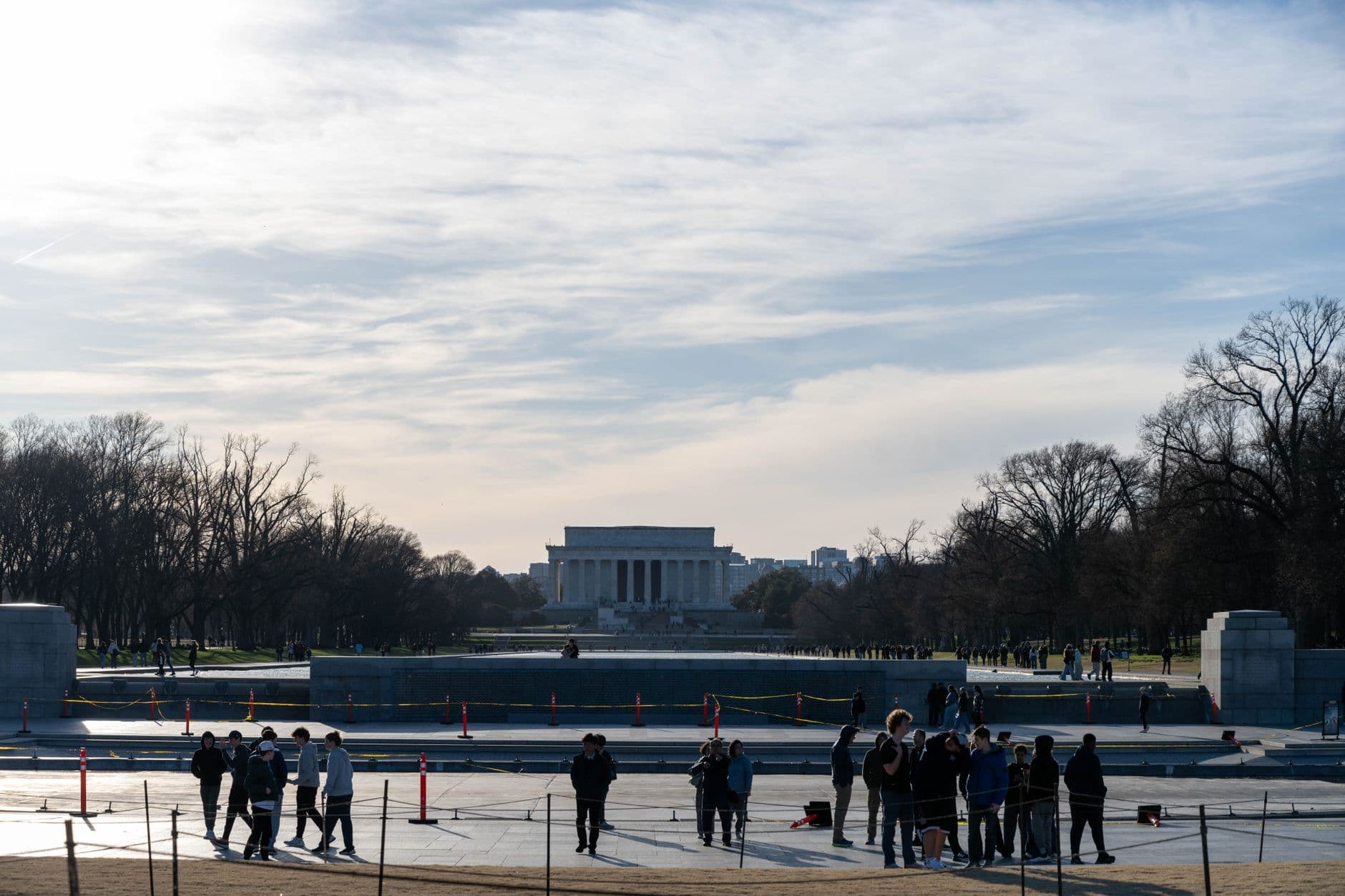
The case drew unusual attention because it involved the newly renovated Reflecting Pool beside the Lincoln Memorial, a project the government said had been rushed to meet deadlines tied to America 250 celebrations. The renovation was reported to have cost about $14 million, making the damage allegation politically sensitive in a city where the Trump administration has tried to project a tougher posture on public order and federal property.
Pirro’s office moved to abandon the prosecution after concluding that the damage was tied to flawed installation by the contractor rather than intentional vandalism. Trump’s criticism of Pirro highlighted the pressure such reversals can create inside his political orbit, where public displays of loyalty often overlap with legal decision-making.

The episode also showed the limits of a law-and-order narrative when prosecutors uncover facts that undercut an initial charge. Hearn, a former Olympian, had been treated as a vandal facing prison time; the government later said the underlying damage came from a construction failure instead. In Washington, the shift turned a routine property case into a test of how far allies are expected to align prosecutorial choices with political messaging.
This article was produced by Prism’s automated news system from verified source data, official records, and press releases, then run through automated quality and moderation checks before publishing. The system is built and supervised by the people who set the standards it runs under. Read our full AI policy.
Did this article answer your question?